

When we think of cancer treatment, we usually think of traditional treatments such as chemotherapy and radiation. However, today’s cancer treatments may include a holistic approach called integrative health.
Integrative health combines traditional treatments with complementary approaches to provide more comprehensive care for body, mind, and spirit, with an emphasis on treating the whole person.
Meditation is a common mind-body practice often used alongside traditional treatments to manage cancer-related symptoms and cope with the emotions associated with the disease.
The American Society of Clinical Oncology, the National Comprehensive Cancer Network, and the Society for Integrative Oncology all recognize meditation’s ability to improve physical and mental health and overall quality of life when used within an integrative health approach.
Anyone can start practicing meditation at any time, and there is evidence that meditation can have many benefits for general health and well-being. To help cancer patients every step of the way, Texas Oncology recently created guided meditations and journal prompts. These are available for free at https://www.texasoncology.com/everybody-has-a-story.
form of meditation
When you hear the word meditation, you may think of someone sitting quietly, cross-legged under a tree with their eyes closed. This is certainly his one form of meditation, but not the only form.
Meditation techniques include:
• Breathing techniques
• Practice gratitude.
• Loving kindness and consideration.
• Movement meditation such as chair yoga or walking meditation.
• Natural remedies
• Gradual muscle relaxation
Patients may benefit from one or more of these techniques, and different options may be helpful when dealing with various symptoms and side effects of treatment.
Meditation improves symptoms
A survey to understand the impact of cancer on self-perception, body image, and mental and emotional health found that 43% of respondents felt unprepared to deal with the physical side effects they would experience during treatment. , 56% said they felt mentally unprepared. effect. When asked if patients were seeking support to deal with the emotional or physical side effects of cancer treatment, only one-third asked for resources.
Certain types of mind-body practices, such as meditation, have been found to effectively address some physical and mental symptoms associated with cancer or cancer treatment, including:
• anxiety
• Cognitive problems
• depression
• Malaise
• Fears about treatment or fear of relapse.
• pain
• Sexual problems
• Sleeping disorder
Mindful meditation and mealtime
Mealtime is an often missed opportunity to meditate and practice mindfulness. Cancer treatment often changes appetite and taste, which can make it difficult to eat and share food with others. Conscious eating practices can help improve your eating experience. Even if the smell or taste has changed, sharing a meal may provide an opportunity to create new memories and develop a deeper connection with your loved one.
time and practice
Just like learning a new skill, meditation is a practice that takes time to master. There are a variety of techniques to try, from breathing exercises and guided meditation to taking classes online or in person at your local studio.
If one meditation technique doesn’t feel right to you, it’s okay to switch to another. What a patient needs one day may not be the same as what they need the next, and similarly, what resonates with one patient may not be the same for another.
Meditation techniques can help you practice not only on your good days, but also on your more difficult days. Creating new habits and learning new skills is difficult even when you feel like you’re at your best. But when meditation is part of your daily care routine, it’s easier to remember and practice even on tough days, and you can access its benefits when you need it most.
Let your care team know if meditation is a practice you would like to add to your care plan. However, be aware that due to increased awareness of your mind and body, past traumas and emotions that have been sidelined may arise. In these cases, your care team can help you get the appropriate support you need.
Meditation is an easy practice that anyone can do. For people living with cancer, meditation may have potential benefits beyond the realm of cancer-related challenges.
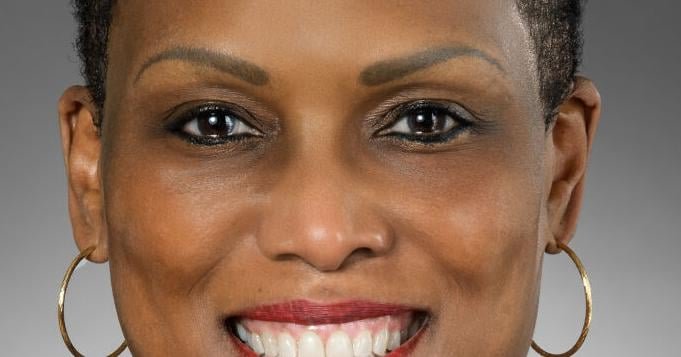
Tanyel Williams, LMSW, ACSW, ACHP-SW, OSW-C, CHW is a Certified Master Social Worker at Texas Oncology Palestine Cancer Center located at 3415 South Loop 256 Street in Palestine, Texas. For more information, visit TexasOncology.com.
