

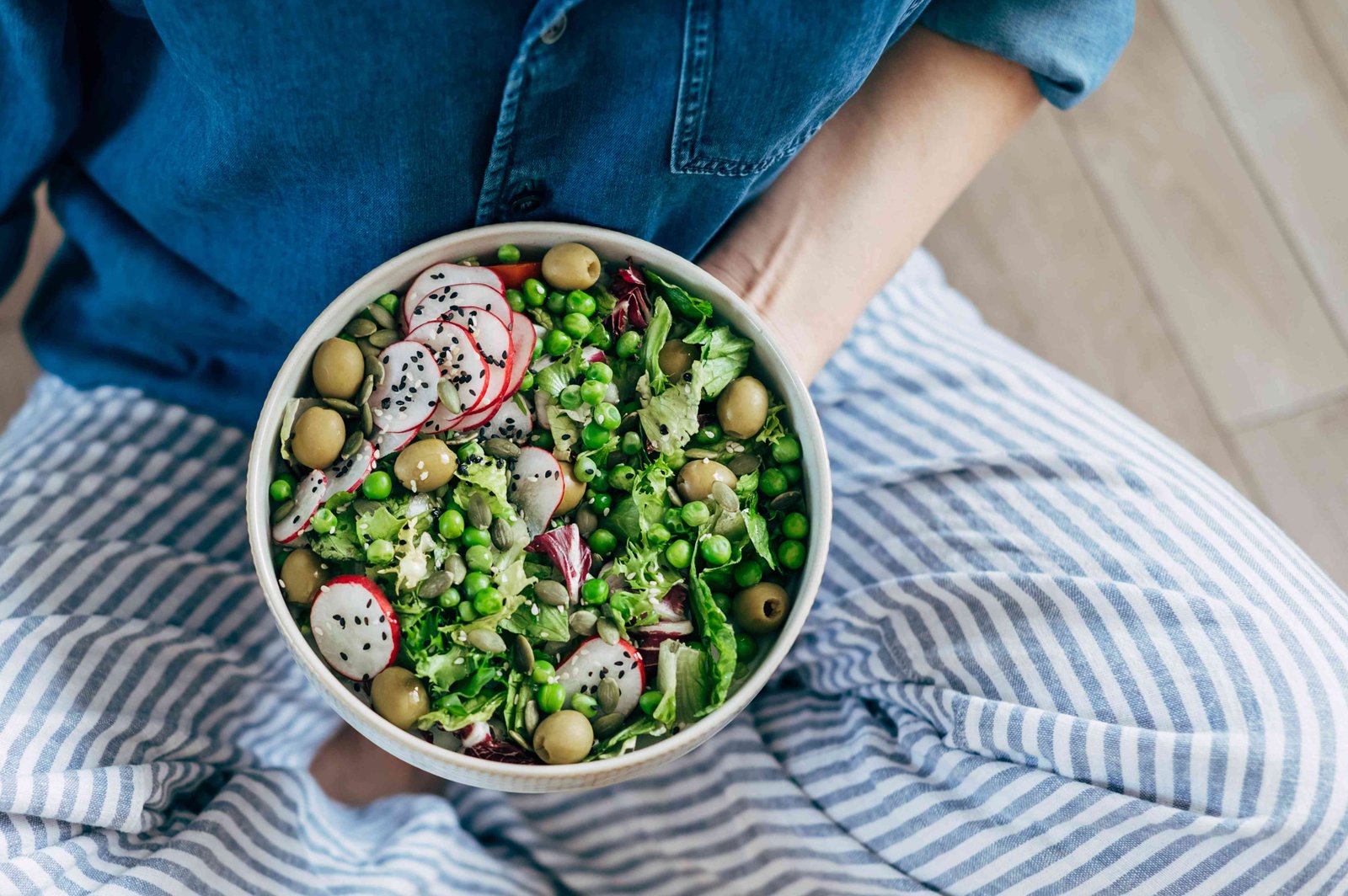
Legumes are Leguminous Common types of legumes include peas, soybeans, and peanuts. This food has been an important source of nutrition around the world for thousands of years.
Adding legumes to your diet is not only good for your health, it’s also good for the environment. Legumes are a sustainable, eco-friendly protein option. Many health and environmental experts recommend a diet high in legumes, not only to help you meet your protein goals, but also to benefit the planet.
This plant source provides fiber, protein, and essential vitamins and minerals. The nutrients in beans have been linked to several health benefits, including a reduced risk of certain cancers, heart disease, and other chronic diseases.
Design: Health/Stocksy
Legumes such as lentils, chickpeas and soybeans are good sources of dietary fiber, which helps maintain a healthy digestive system by regulating bowel movements and reducing the risk of digestive diseases such as constipation, diverticulitis (inflammation of pouches in the colon) and colon cancer.
For example, studies have shown that people who eat a high-fiber diet are much less likely to be constipated than those who eat a low-fiber diet. Research suggests that people with a high fiber intake are up to 21% less likely to develop colon cancer than those with a low intake.
Fiber-rich foods, like legumes, promote the growth of beneficial bacteria in the large intestine by providing soluble fiber. Soluble fiber (when broken down by bacteria in the large intestine) releases beneficial compounds called short-chain fatty acids. These acids: Butyric acidacetic acid, and Propionic acid, Strengthens the intestinal barrier.
Eating more beans may lower your risk of various health conditions, including heart disease and type 2 diabetes.
One study found that eating more beans was associated with a 6% lower risk of cardiovascular disease (diseases affecting the heart and blood vessels) and a 10% lower risk of coronary heart disease. The short-chain fatty acids released from the soluble fiber contained in beans may also be effective against diabetes.
Research suggests that legumes may also aid in weight loss and have a positive impact on several chronic health conditions. More research is needed to know how eating beans weekly may help prevent chronic disease.
Beans are a good source of potassium and magnesium, two minerals that help regulate blood pressure. High intakes of potassium and magnesium can help reduce the risk of high blood pressure (hypertension). One study showed that for every 100 milligrams (mg) of magnesium increased per day, the risk of hypertension decreases by 5%. Therefore, eating beans may help manage blood pressure.
Another study found that participants who consumed 55 to 70 grams of cooked beans daily had a 43% lower risk of high blood pressure compared to those who consumed less beans.
Other studies also suggest that beans may reduce low-density lipoprotein (LDL) cholesterol (the “bad” cholesterol) in people with high blood lipid levels. More research is needed to know how effective legumes are in reducing the risk of high blood pressure.
Beans are also rich in fiber and protein. Both of these nutrients slow the absorption of sugar in the bloodstream, making beans a great choice for people with type 2 diabetes. Eating more beans improves long-term blood sugar control in people with type 2 diabetes. Beans may also help prevent the onset of diabetes.
Some studies also suggest that cooked beans can lower glucose (sugar) and insulin levels. Insulin is a hormone that maintains blood sugar levels in the body. Compared to carbohydrates such as rice and bread, beans are more effective at lowering glucose levels.
Common legumes include:
- Kidney beans
- Cannellini beans
- Great Northern Beans
- Navy Beans
- Broad beans
- Cranberry beans
- Black bean
- Pinto beans
- soy
- Black Eyed Peas
There are many different types of legumes, each containing different amounts of nutrients, but all provide plant-based protein, dietary fiber, and a variety of essential vitamins and minerals.
Below is a breakdown of the nutritional content of legumes in one cup of cooked lentils.
- calorie: 230
- carbohydrates: 39.8 grams (g)
- fiber: 15.6 g
- protein: 17.9 g
- fat: 0.75 g
- Folic Acid: 0.358 milligrams (mg) or 90% of the recommended daily value (DV)
- Thiamine: 0.335 mg or 28% of the recommended daily intake
- copper: 0.497 mg or 55% of the recommended daily intake
- iron: 6.59 mg or 37% of the recommended daily intake
- magnesium: 71.3 mg or 17% of the recommended daily intake
- manganese: 0.978 mg or 43% of the recommended daily intake
- Rin: 356 mg or 28% of the recommended daily intake
- potassium: 731 mg or 16% of the recommended daily intake
- zinc: 2.52 mg or 23% of the recommended daily intake
Lentils are one of the most nutritious foods you can eat. Unlike many plant-based foods, lentils are packed with plant protein. For those following a vegan or vegetarian diet, legumes such as lentils and chickpeas are a great alternative to meat as your main source of protein.
In addition to protein, beans are a good source of fiber. Many Americans don’t meet the recommended daily fiber intake. According to the National Academy of Medicine, the recommended daily fiber intake for adults is 20 to 30 grams. Adding just one cup of beans to your diet can help you meet the guidelines.
Chickpeas, soybeans, and many other legumes are rich in magnesium, a mineral needed to regulate blood sugar levels, nerve function, and digestive health. Legumes also provide the body with folate, a B vitamin that is involved in DNA and RNA synthesis, cell division, and cell growth.
Beans are generally safe when eaten in moderation. However, they are very high in fiber, which may cause bloating and gas in some people. Fermentable oligosaccharides, disaccharides, monosaccharides, and polyols (FODMAPs) are carbohydrates that are poorly absorbed by the digestive system. Beans are high in these carbohydrates.
If you’re sensitive to FODMAPs, including many legumes in your diet can cause gas, diarrhea, and bloating. Researchers recommend gradually increasing your fiber intake to allow your body to get used to a diet high in fiber.
Although beans are high in FODMAPs, people who are sensitive to them may be able to eat small amounts without experiencing symptoms. Rinsing, soaking, or draining beans can also help lower the FODMAP levels in beans.
Legumes such as black beans, peas and chickpeas can be added to soups, pastas and salads, while legumes such as peanuts can be enjoyed as snacks. Lentils are often used in curry and soup recipes.
Some beans are also sold in cans and dried products. Canned beans can be eaten as is, but dried beans must be soaked and cooked before eating.
Here are some ways to include legumes in your diet:
- Add legumes such as lentils, black beans, and chickpeas to soups and stews.
- Use beans as a source of plant-based protein in salads and grain dishes.
- Enjoy legumes like lentils and black beans as plant-based patties
- Use beans as ingredients in curries and stews
- Mix beans with olive oil and fresh herbs to create a flavorful dip or spread.
- Cooked legumes like chickpeas or soybeans, tossed with olive oil, salt and pepper and baked until crispy, make a satisfying snack.
Beans can add flavor and texture to your favorite recipes. Experiment with the different ways you can enjoy beans, whether that be slow cooking them or topping your favorite beans with your favorite sauce.
There are many different types of pulses, including chickpeas, lentils and soybeans, that are highly nutritious and have been proven to benefit your overall health in many ways.
Beans improve digestive health, reduce the risk of high blood pressure and help manage blood sugar levels. There are many ways to include them in your diet. Beans are rich in fiber, so introduce them slowly into your diet to prevent digestive issues.
