

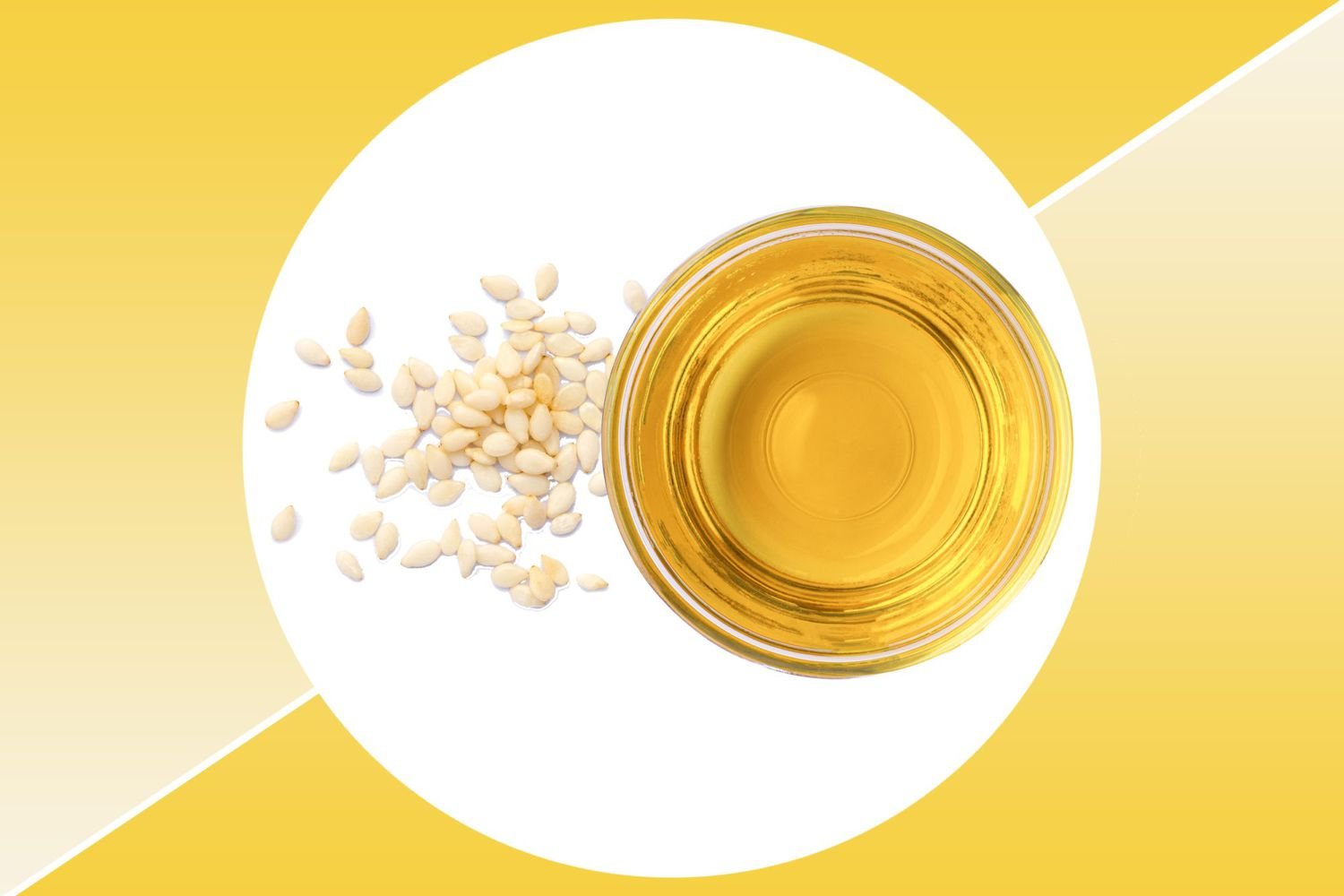
As you walk through the oil aisle at the supermarket, you may have seen sesame oil next to olive oil and other types of vegetable oils. Have you ever wondered whether you should pick up a bottle? Healthy oils? Keep learning why this Asian and Middle Eastern staple has a place in your kitchen pantry.
What is sesame oil?
Sesame oil is an edible cooking oil extracted from sesame seeds. It is a cooking oil commonly used in Asian and Middle Eastern cuisine. Sesame is mainly grown in Sudan, India, Myanmar, and Tanzania. In the United States, warm-climate southern states such as Oklahoma, Texas, Kansas, and Florida are the largest producers of sesame plants in the country.
Like other edible oils such as canola and sunflower, sesame oil is extracted from raw, unroasted seeds. It is a stable oil with a smoke point of 410°F (210°C), making it an excellent all-purpose cooking oil for high-temperature cooking such as frying and roasting.
Cold-pressed (virgin) or refined unroasted sesame oil has a mild, neutral flavor. There are also many different types of roasted sesame oil available in the grocery store aisle. Roasted sesame oil is made in the same way as its non-roasted counterpart, except the seeds are roasted or roasted before extraction. It has a thick consistency, and toasting the seeds amplifies the color, flavor, and aroma of the oil. The darker the roast, the darker the color of the oil and the more nutty and earthy flavors.
Toasted or roasted sesame oil has a low smoker point, so it can burn and become bitter if heated for too long. This makes it ideal for low- to medium-heat cooking such as stir-fries, and used as a seasoning in the final stages of cooking. Unroasted sesame oil can be used as an ingredient in marinades, sauces, and salad dressings, while roasted sesame oil adds layers of flavor to recipes.
Health benefits of sesame oil
May improve cholesterol levels
Sesame oil is rich in monounsaturated and polyunsaturated fats, which can help improve “good” HDL cholesterol and lower “bad” LDL cholesterol levels. Sesame oil also contains phytosterols, compounds found in plants with antioxidant and heart-healthy properties. Specifically, sesamol is a type of phytosterol found in sesame seeds and oil that helps protect the heart by improving cholesterol.
may improve blood pressure
Sesame seeds and sesame oil contain sesamin, a type of lignan (plant compound) that has antioxidant and anti-inflammatory properties that protect cells from damage and reduce inflammation. A systematic review found that compared to a control group, regular consumption of sesame seeds lowered systolic and diastolic blood pressure, as well as body weight and waist circumference, and may also help lower blood pressure. It is concluded that there is.
May reduce risk of certain types of cancer
The lignans found in sesame seeds may have potentially cancer-preventing properties. Although research is still very preliminary, these sesame lignans may help quell inflammation and oxidative stress, preventing cell damage that can lead to cancer.
Nutritional information table
One tablespoon of sesame oil provides the following benefits:
- calorie: 120
- Total carbohydrates: 0g
- Dietary fiber: 0g
- Total carbohydrates: 0g
- protein: 0g
- Total fat: 14g
- Saturated fat: 2g
- Monounsaturated fats: 5g
- Polyunsaturated fats: 6g
potential risks
Sesame is one of the nine common allergens in the United States, affecting 1.1 million American adults and children. People who are allergic to sesame should avoid sesame oil and products containing sesame. It’s now easier to identify if a food contains sesame because the FDA requires it to be listed on food and supplement packaging. And don’t worry, our sesame-free recipes don’t contain any hidden sesame sources.
How to add sesame oil to your meals
Sesame oil imparts a mild, nutty, earthy flavor that enhances the flavor of a variety of Asian and Middle Eastern-influenced dishes.
Unroasted (neutral) sesame oil
Perfect for stir-frying, pan-frying, baking, and other flavorful dishes.
roasted sesame oil
A small amount of toasted sesame oil will add extra flavor and aroma to your dishes. Roasted sesame oil is suitable for low to medium heat cooking, but is best used as a finishing touch. Popular recipes using toasted sesame oil include:
Toasted sesame oil is also a great ingredient in marinades, sauces, dressings, and vinaigrettes such as Hoisin Sesame Dressing and Sesame Tamari Vinaigrette.
conclusion
Sesame oil is a versatile cooking oil that deserves space in your pantry. Unroasted sesame oil has a milder taste and is perfect for everyday cooking, while roasted sesame oil adds a nutty flavor that enhances the flavor and aroma of recipes. Depending on what and how you use sesame oil, you may choose one or the other, or you may want to have both in your kitchen. Browse our collection of recipes using sesame oil and get inspired for your culinary creations.
FAQ
-
Is sesame oil better than olive oil?Both sesame oil and olive oil contain healthy fats, but in varying amounts, and both oils can be useful as part of a balanced diet. Sesame oil is perfect for Asian and Middle Eastern-inspired dishes, while olive oil is suitable for Mediterranean cuisine.
-
What are the disadvantages of sesame oil?Sesame oil is not suitable for people with sesame allergies or sensitivities. If you have a sesame allergy or sensitivity, please use other plant-based cooking oils. Our sesame-free recipes also provide inspiration for creating delicious dishes without allergens.
-
Which cooking oil is the healthiest?All plant-based cooking oils can be used as part of a balanced diet, as each type of oil has different nutritional properties. The 2020-2025 Dietary Guidelines for Americans recommend no more than 27 grams of oil per day, based on a 2,000 calorie diet. This amount includes oils from plants and those found in foods such as nuts and seafood.
