

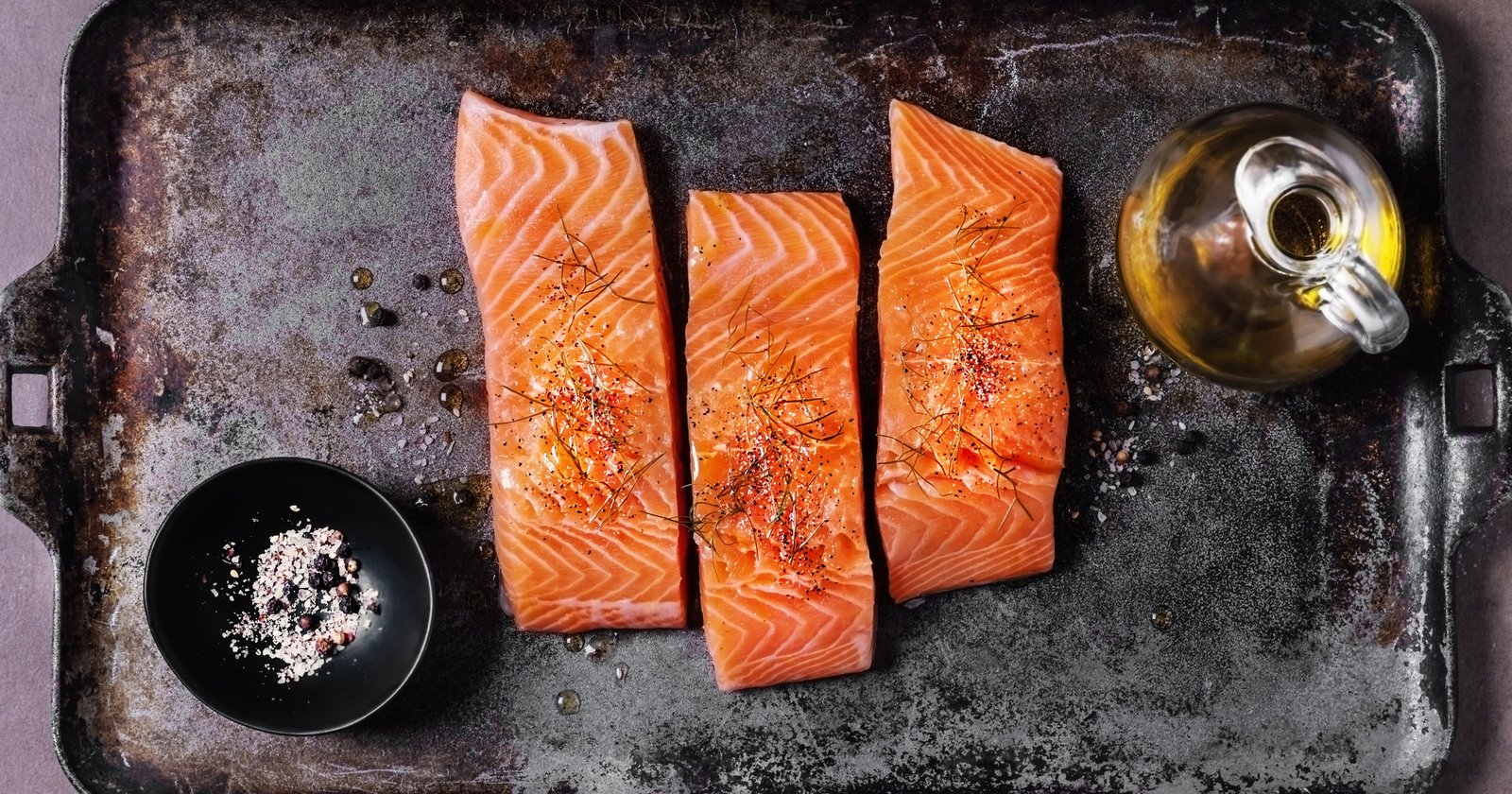
Its mild flavor makes salmon a great star ingredient in any meal. Breakfast? Salmon and eggs. Lunch? Salmon on greens. Dinner? Grilled filet with brown rice and sautéed vegetables. As you can see, salmon is extremely versatile. It’s also widely available and relatively affordable. In fact, when we start listing all the benefits of salmon, this fish might start to sound incredible. Is it really good for you? Well, the answer is yes. In fact, salmon is the MVP of nutrition.
“Salmon is one of my most recommended foods because of its many nutritional benefits,” says Stacey Simon, a nutritionist at Top Nutrition Coaching. “It’s a really great healthy option that promotes heart, brain and reproductive health.”
Plus, salmon is a fatty fish. Fat has been demonized by diet culture, which may be one of the reasons people ask, “Is salmon really healthy?” But fat isn’t inherently bad, and salmon is an excellent source of omega-3 fatty acids, which are necessary for proper immune function. These healthy fats also minimize cancer risk, support fetal development, and reduce inflammation in the body, Simon adds.
Still not convinced about salmon’s huge health benefits? Read on to find out everything you need to know about this popular dish, according to registered dietitians.
Experts featured in this article
Stacey Simon, RDN, of Top Nutrition Coaching;
What are the health benefits of salmon?
Salmon is a great source of healthy fats, vitamins, and minerals, and as a result, it’s packed with nutritional benefits. While wild and farmed salmon have slightly different nutritional profiles, they’re both rich in protein, B vitamins, and selenium, says Simon. “Protein is super important as we need it to maintain muscle mass, energy levels, and immune function,” Simon explains. “B vitamins play a role in energy levels, and selenium is [impacts] “It boosts immune function,” Simon adds. They’re also rich in omega-3 fatty acids, which reduce inflammation and improve heart health.
Does salmon contain protein?
Salmon is a good source of lean protein, with one 3-ounce raw fillet containing about 17 grams of protein, Simon says.
While the amount of protein you need is relatively individual and depends on factors like your age, activity level, and health, on average, women need about 0.8 to 1 gram of protein per kilogram of body weight, Simon says. A 150-pound person would need about 54 to 75 grams of protein per day. That means eating one serving of salmon for breakfast, lunch, and dinner, along with other high-protein foods like eggs, chickpeas, and pistachios, would significantly exceed the daily protein recommendations.
When comparing wild salmon to farmed salmon, the protein content is relatively similar, making both excellent choices.
Does salmon contain mercury?
Besides the fat content, another factor that may make you wonder if salmon is really good for you is its mercury levels. According to the Cleveland Clinic, mercury poisoning can affect the nervous system and kidneys and be dangerous. However, according to the Food and Drug Administration (FDA), salmon has a fairly low mercury content and is considered a “best choice” fish option when it comes to mercury levels.
That said, Simon stresses that if you’re pregnant, you should always consult with your doctor before eating salmon (or any other seafood) to discuss your nutritional needs and personal limitations. While your doctor may agree, it’s best to get their specific advice. “The omega-3s in salmon are essential for your baby’s brain health and development, so about 4 ounces, two to three times a week, can be part of a healthy pregnancy diet,” Simon says. “We also recommend that pregnant women make sure their salmon is thoroughly cooked to minimize the risk of food-related illness.”
Is salmon skin healthy?
Although salmon skin is rich in vitamins and minerals, Simon warns that it can be a major source of chemicals called PCBs (polychlorinated biphenyls). These chemicals accumulate in the skin and fat of the fish (the grey layer right next to the skin) and, if ingested in large quantities, can have adverse health effects, including cognitive impairment and impaired brain development in children, as well as adverse effects on the immune, endocrine and reproductive systems. For this reason, Simon recommends removing the skin before eating, especially from farmed salmon, which has been found to have high PCB content.
If you like the crispness of the skin, it’s fine to enjoy it every once in a while because PCBs aren’t considered “highly toxic at a single dose,” according to the Environmental Defense Fund. But if you eat salmon frequently, Simon recommends removing the skin and grilling or air frying the salmon to get a similar crispness without the risk.
Is salmon too fatty?
Absolutely not! “The fats in salmon are healthy omega-3 fatty acids, such as EPA (eicosapentaenoic acid) and DHA (docosahexaenoic acid), which have been shown to improve health,” says Simon. “These healthy fats can improve heart, brain, and reproductive health, so it’s good to get plenty of omega-3s in your diet.” Plus, these fats are known to have anti-inflammatory properties, reducing inflammation in the body, she adds.
Not to mention, the American Heart Association recommends consuming 3.5 ounces of fish at least twice a week.
Is salmon good for you?
It’s no surprise: the answer is yes: salmon is good for you for a dozen or so reasons. “Salmon is a great source of protein, healthy fats, vitamins and minerals, plus it’s versatile and quick and easy to prepare,” says Simon.
“The one thing I would be careful of is smoked salmon, because although it’s a good source of omega-3s and protein, it’s generally very high in sodium.” So if you’re watching your sodium intake, choose ‘unsalted’ lox or canned salmon, or choose fresh or frozen fillets where available.
Andy Breitwich is a Chicago-based freelance writer and a graduate of Emory University and Northwestern University’s Medill School of Journalism. Her work has appeared in PS, Women’s Health, Cosmopolitan, and more.
