

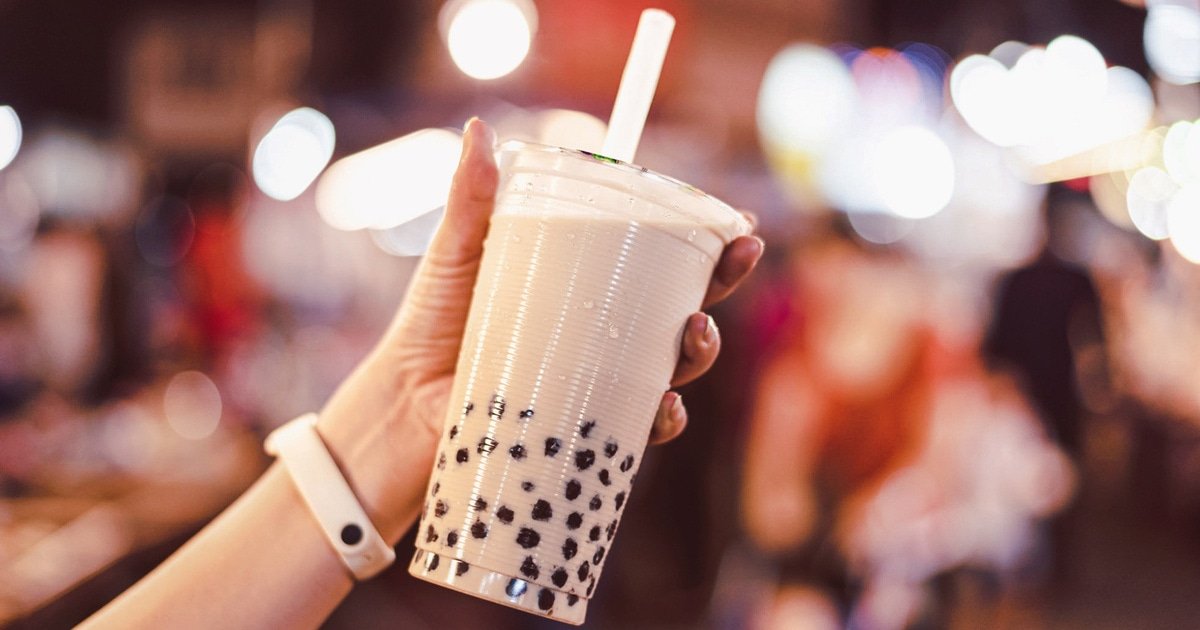
In the California city of Garden Grove, boba tea is everywhere. By some estimates, it’s even more popular than America’s caffeine favorite, Starbucks, with four times as many boba shops per resident as the coffee giant’s locations.
Jump to recipe
But while boba seems especially beloved in this small city, interest in the drink, also known as bubble tea, is by no means limited to one place in the United States. Boba’s popularity has skyrocketed among many Americans since it was introduced by Taiwanese immigrants in the 1990s. But what exactly is it? And is it vegan? Let’s find out.
What is boba?
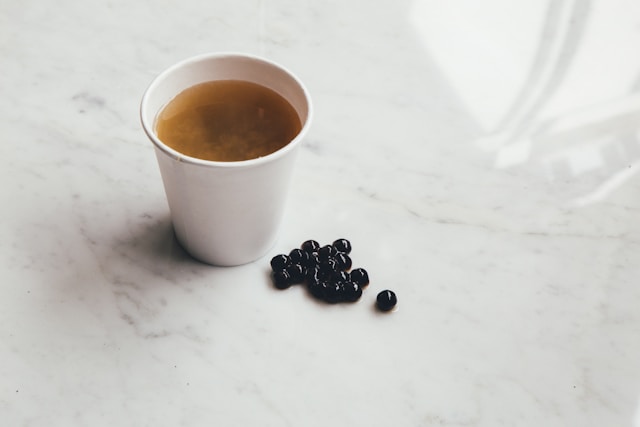
In recent years, boba tea has become increasingly popular around the world. Unsurprisingly, Asia Pacific, where it was invented, is the world leader in this market (estimated to reach a value of over $3.3 billion by 2027). Basically, this drink consists of a base beverage (usually milk tea) with the addition of tapioca. These pearls are boiled in a large container with caramelized syrup before being served and become the “boba” portion of the drink.
 unsplash
This drink is also called “bubble tea” because the floating boba pearls look like large bubbles. It has a chewy, springy texture and is often sipped through a large straw with the rest of your drink. Tapioca pearls have been eaten in Taiwan for decades, but boba as we know it today was invented in the 1980s when a tea shop product manager decided to add tapioca pearls to his iced tea. It was time. At least, that’s one of the presumed origin stories.
But no matter how boba originated, one thing is for sure: it’s now an important part of the food and beverage industry in many places, especially California. And for many young Asian Americans in the state, boba has become an important part of their culture.
“Boba culture is even stronger in Los Angeles than in Taiwan,” journalist Clarissa Wei wrote. LA Weekly In 2017.
“While boba shops are still mainstream in Taiwan, there are very few places that specialize in sit-down drinks. In terms of spots catering to the younger generation, Taipei has more coffee shops than tea shops. This is San Gabriel That’s not the case in the Valley,” she added. “The boba shops there are more vibrant than ever.”
Is boba vegan?
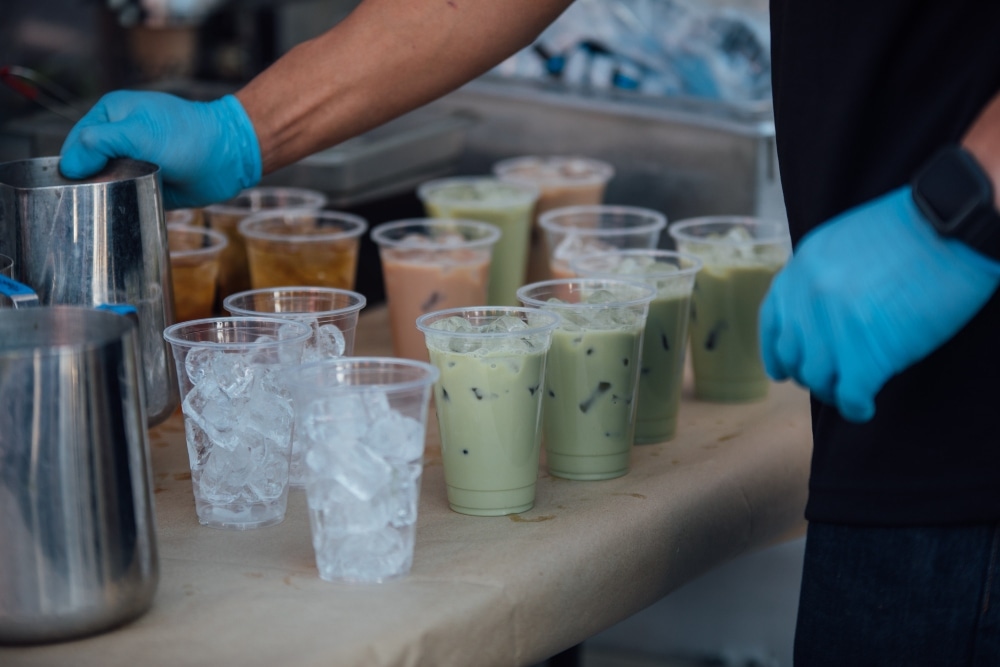
Boba is often served with milk tea, so it’s not necessarily vegan. However, that being said, milk is not required to make this popular drink. You can use a variety of drinks to make boba, including black tea, fruit tea, green tea, and milk tea made with dairy-free alternatives like oats or soy. The sky is the limit when it comes to boba, and stores are constantly experimenting with different types of drinks that add tapioca. However, to help you decide what to order, here are just a few of the different types on offer.
 Charles Delvio/Unsplash
types of boba
1 classic
At many boba shops, you can order just the classic boba tea by simply requesting a dairy-free alternative in place of milk. This recipe usually includes black tea, milk, sugar and, of course, the most important tapioca.
2 fruits
If you prefer a drink with a little more flavor or sourness, you can also order boba with fruit. The most popular options include peach, mango, and strawberry, and this recipe typically consists of fruit syrup, green tea, milk (ask for a vegan version), and tapioca.
Many fruit boba options include “popping boba.” These are similar in shape to regular tapioca, but are instead made with juice instead of a jelly-like skin (the latter is often made with seaweed-based agar). These are called “popping” boba. Simply squeeze it and it will explode.
3 coffee
For those who prefer coffee to tea, coffee boba is also an option. It is very similar to the classic recipe, except that instead of black tea, cold brew iced coffee is usually used.
Four With bonus
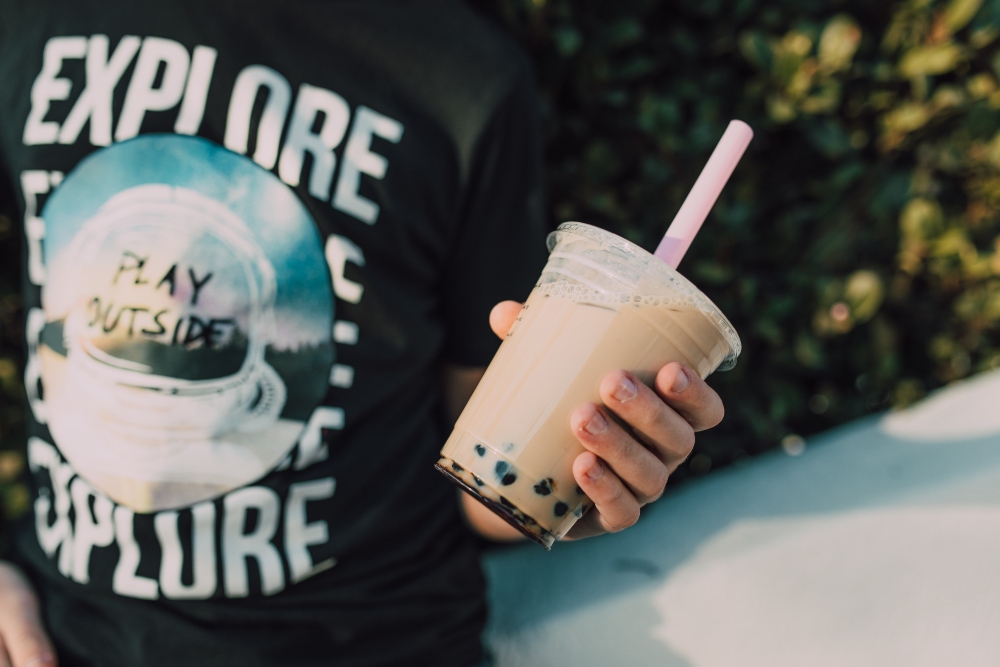
In addition to the traditional tapioca pearls and popping pearls, you can also order boba with additional toppings. Options vary by store, but some of the most common vegan additives include lychee, grass jelly, aloe vera, and chia seeds.
 pexel
pexel
boba nutrition
Because the ingredients vary widely, the nutritional value of boba also varies from drink to drink. But in general, boba is often very sweet (remember that the tapioca pearls are boiled with caramelized sugar), so it is not really considered a health drink. That said, tea itself can be good for you, especially if you choose options known for their health benefits. For example, green tea is a source of antioxidants.
How to make boba at home
If you’re craving boba right now (we’re right there), you can make it at home so you don’t even have to leave the house. To help you, here we have collected some recipes to try.
 vet vegan
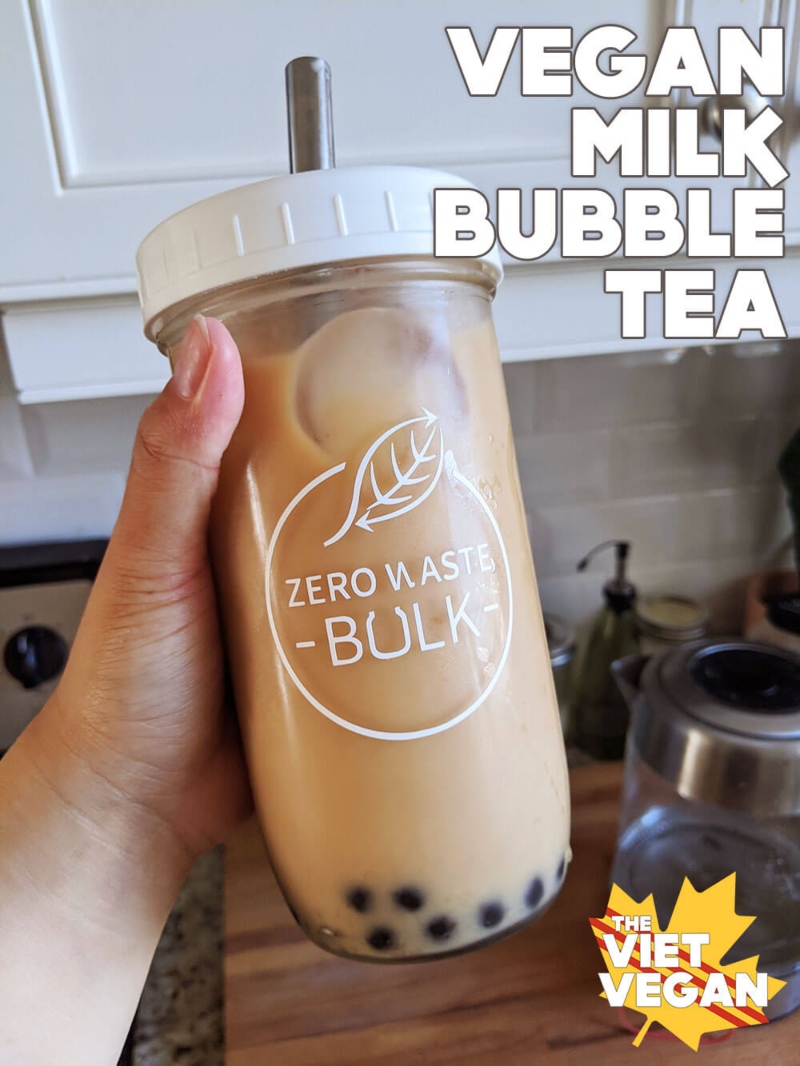
1 vegan boba milk tea
Recipe blogger The Viet Vegan spent several months living in Vietnam, where boba is extremely popular (Southeast Asia’s third largest market for boba drinks). Based on her experience with that, she created her own vegan version of the drink. A simple and classic recipe using black tea, tapioca, sugar, and vegan creamer.
get the recipe
2 watermelon slush boba
If you like fruity, slushie style drinks, this is the boba recipe for you. Actually, I don’t use tea at all. Instead, blend fresh watermelon and ice and pour over the tapioca.
get the recipe
 my vegan minimalist
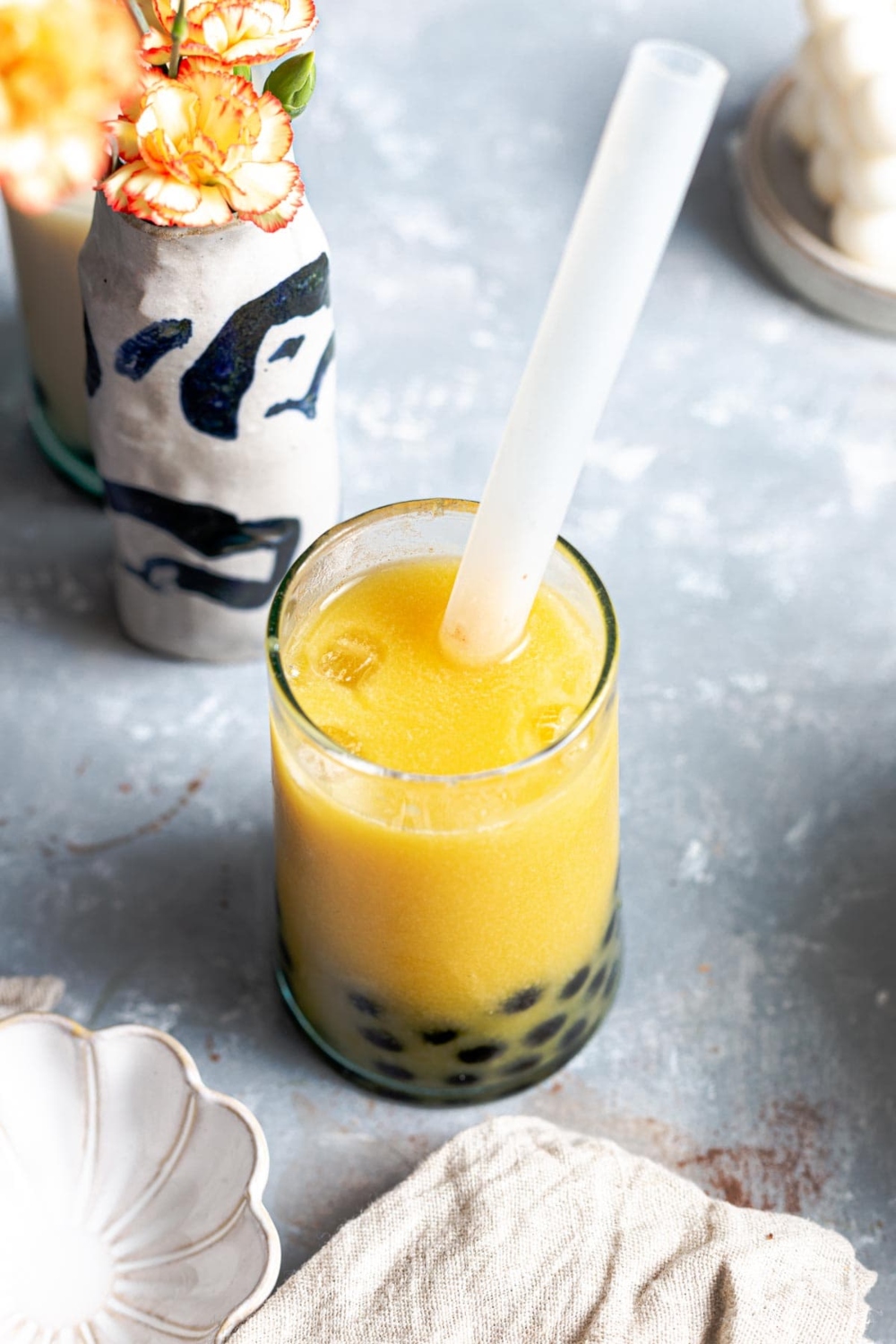
3 mango bubble milk tea
Satisfy your boba cravings with this delicious mango-flavored boba tea. Not only is it delicious, but it’s also better for you than the store-bought version (because it contains less sugar). Just mix mango juice, jasmine green tea, tapioca, and your favorite non-dairy milk. Don’t forget a big straw to sip it all down at the end.
get the recipe
Read below to learn more about vegan food and drinks.

Charlotte is a writer and editor based in sunny Southsea on England’s south coast.
