

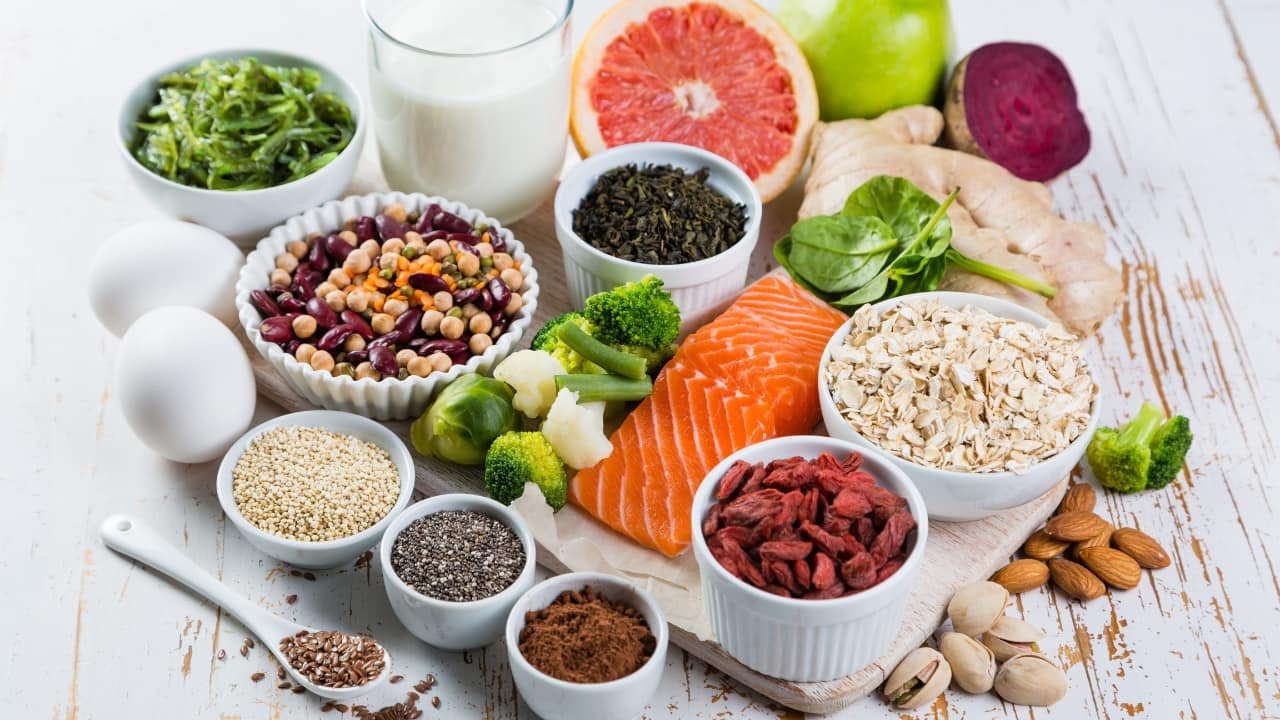
Many people are turning to multivitamin supplements as a convenient solution to meeting their daily nutritional needs. However, nature has a range of superfoods that provide essential vitamins and minerals in a more natural and bioavailable form. Take a look at some superfoods you can incorporate into your diet as an alternative to multivitamin supplements (Image: Canva)
spinach: This leafy plant is rich in vitamins A, C, K, folate, iron, and calcium. Adding spinach to your meals, whether in salads, smoothies, or sautés, boosts its nutritional value to support overall health, including immune function and bone strength. (Image: Canva)
Berry: Blueberries, strawberries, raspberries, and blackberries are rich in antioxidants, vitamins, and fiber. These colorful fruits provide a wealth of nutrients such as vitamin C, vitamin K, and manganese, while promoting heart health and aiding digestion (Image: Canva)
salmon: Rich in omega-3 fatty acids, salmon is a nutritional powerhouse that supports brain health, heart health, and joint function. Additionally, salmon is a good source of vitamin D, which is essential for calcium absorption and bone health (Image: Canva)
Story continues below
Quinoa: A complete protein, quinoa contains all nine essential amino acids, making it an excellent choice for vegetarians and vegans. It’s also rich in fiber, magnesium, iron, and B vitamins, supporting energy production, muscle function, and digestive health (Image: Canva)
Greek yogurt: High in protein and rich in probiotics, Greek yogurt is a versatile superfood that promotes gut health and supports immune function. It’s also rich in calcium, potassium, and vitamin B12, nutrients essential for bone health and energy metabolism (Image: Canva)
sweet potato: These vibrant root vegetables are rich in beta-carotene, a precursor to vitamin A, which is essential for visual health, immune function, and skin health. Sweet potatoes are also high in vitamin C, potassium, and fiber, making them a nutritious addition to any meal (Image: Canva)
almond: A handful of almonds is packed with nutrients like vitamin E, magnesium, and healthy fats. Vitamin E acts as a powerful antioxidant, protecting cells from damage, and magnesium supports muscle function and nerve health (Image: Canva)
Story continues below
Kale: Like spinach, kale is a nutrient-dense leafy vegetable containing vitamins A, C, K, calcium, magnesium, and iron. Incorporating kale into your diet can support bone health, reduce inflammation, and promote detoxification (Image: Canva)
Chia seeds: These tiny seeds are rich in omega-3 fatty acids, fiber, and protein, making them a nutritional powerhouse. Chia seeds also provide calcium, magnesium, and antioxidants, which support heart health, digestive health, and blood sugar control (Image: Canva)
turmeric: Known for its anti-inflammatory properties, turmeric contains the active compound curcumin, which provides numerous health benefits. Incorporating turmeric into your diet, whether in curries, smoothies, or teas, can reduce inflammation, support joint health, and boost immunity (Image: Canva)
Check out the latest business news, Sensex, Nifty updates. Get Personal Finance insights, tax questions and expert opinions on Moneycontrol or download the Moneycontrol app to stay updated.
