

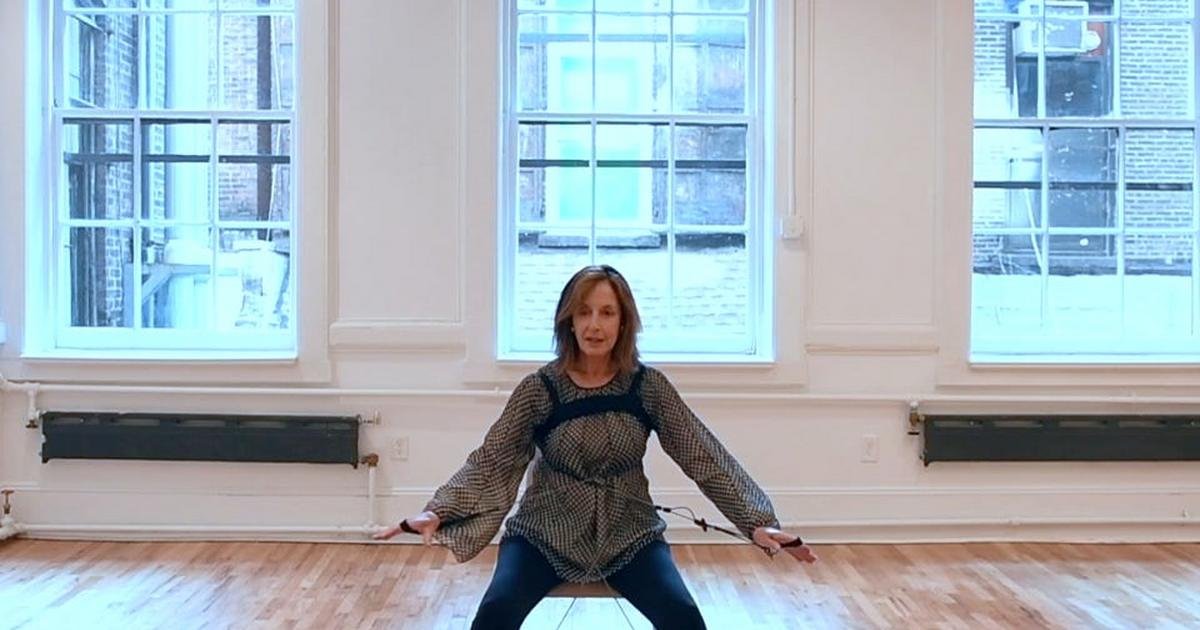
When I started Pilates, no one thought about food or exercise. No one talked about “health” or “practice.” No one had ever heard of calories or carbs. We just ate food. Sometimes we smoked cigarettes in the Pilates studio and had martinis afterwards.
This was in the 1960s, and I worked in publishing as what would now be called an executive assistant. In those days, I was what they called a gopher. I was primarily sent to the library to find whatever information my editors needed, because I couldn’t just look it up online.
One day in the library, I came across an article in Life magazine about Joseph Pilates, the creator of the exercises we’ve all tried, or at least laughed at. I was intrigued by what he did, so I wanted to find a way to try it myself.
My body has changed
Growing up, my father always told me I was related to strong men from Europe. My ancestor, Syed Breitwald, was the strongest man in the world in the 1920s and became a folk hero. But in the 1960s, most women didn’t want to break a sweat. I’d run around in gym class or at camp, but I never really worked out.
I found a Pilates studio near my home in Manhattan, and the woman who ran it required me to attend at least twice a week. It was quite expensive for me at the time, but I enjoyed the classes. Within six weeks, my body had transformed. I felt stronger and more toned.
Six decades later, I’ve tried every kind of exercise, from Peloton to barre to CrossFit, and I’ve learned that you’ll never see the changes you saw when you first started exercising. Sure, you’ll continue to improve in strength and functionality, but nothing will ever replace that initial physical transformation. You can’t rely on dramatic physical changes in the long term, so you need something else to motivate you.
People became disillusioned with the movement.
Pilates is intellectually interesting, so it gave me the motivation to continue. However, I get bored if I just do exercise.
In 1987, after the stock market crash, I left New York for Santa Fe, New Mexico. No one was doing anything like it at the time. I thought I would never see a Reformer, the machine invented by Joseph Pilates, in my lifetime. But a few years later, I found a studio and started working again.
In the early ’90s, the public’s attitude towards health and fitness was changing. Low-fat diets and aerobics were all the rage, but many people didn’t look or feel any better. It was during this time that interest in Pilates started to grow. I founded the Physical Mind Institute, then called the Pilates Certification Institute, to train instructors and keep up with the demand.
I think we’re in a similar situation right now, with the rejection of diet culture and the popularity of Ozempic and similar drugs. The obsession with the body over the last 60 years has only made people feel guilty, which is not healthy.
There are so many people out there looking for better answers now. Pilates isn’t for everyone, but for me it was the answer to getting through aging, cancer, and chemotherapy. Grudgingly showing up to a Pilates class may make for good comedy material, but it’s not going to help you transform your body. The stress hormones coursing through your body aren’t helping you.
Most importantly, find an exercise program that helps you know your body. When you become the expert on your body, you can treat it well and take care of it. When my knees get stiff or my back gets stiff while watching the opera, I know exactly how to move.
You are the ultimate expert on yourself. You only have one body and it’s up to you to discover it.
