


Do you have low energy, get sick often, or feel depressed? You’ll be surprised to learn that vitamin D, the vitamin of sunlight, may be the missing piece to your health puzzle. maybe.
Recent research suggests that a surprising number of people are deficient in this important nutrient, with serious consequences for their overall health.
But what exactly does it do and why is it so important? Explore the important role of vitamin D, understand who needs supplements, identify those at risk of deficiency, and improve your health. Let’s discuss how to get the right dose for your needs.
What does vitamin D do?
Vitamin D is essential for the body, as well as helping the body absorb calcium for strong bones and teeth. It plays an important role in muscle movement, nerve transmission, and immune system function. [1].
According to Mavar et al. (2024), vitamin D affects approximately 900 different genes involved in important biological pathways, including functions related to cell proliferation, inflammation, and glucose metabolism. [2].
Does everyone need vitamin D supplements?
Our bodies naturally produce vitamin D when exposed to sunlight, but lifestyle and environmental factors often prevent it from producing enough.
Not everyone needs vitamin D supplements, but certain groups may benefit due to limited sun exposure or dietary intake.
Who is at risk for vitamin D deficiency?
Vitamin D deficiency is considered a global pandemic, affecting approximately 50% of the world’s population. [2].
This widespread health concern transcends geographic and demographic boundaries, affecting individuals of all ages and ethnicities.
Certain groups are particularly susceptible to vitamin D deficiency due to a variety of factors.
- Geographic location – People living in northern latitudes, where there is a lack of sunlight, especially during the winter, are at increased risk of deficiency.
- Sunscreen and sun exposure – Limiting sun exposure, whether through regular use of sunscreen, spending long hours indoors, or covering up for cultural reasons, can significantly reduce vitamin D synthesis in the skin. there is.
- Year – Older adults often spend less time outdoors because their skin’s ability to produce vitamin D from sunlight is reduced. They are also more likely to suffer from impaired absorption of vitamin D.
- skin color – People with darker skin have higher levels of melanin, which reduces the skin’s ability to produce vitamin D from sunlight. [3].
- Eating habits – People who follow a strict vegan diet may be at risk because they avoid the main natural sources of vitamin D, which are primarily found in animal foods.
- Medical condition – People with health problems that affect fat absorption, such as Crohn’s disease, celiac disease, or other forms of malabsorption, are at increased risk because fat is needed for vitamin D absorption.
- Obesity – Obese people often have lower bioavailability of vitamin D and lower circulating levels in the blood because vitamin D is sequestered by body fat.
This deficiency not only affects different risk groups, but also has a significant impact on overall health, contributing to an increased risk of bone disease, muscle weakness, and chronic diseases.
Therefore, identifying at-risk populations and addressing vitamin D deficiency is critical to global health efforts.
Does taking large amounts of vitamin D help?
Although it may seem logical to take high doses of vitamin D to ensure you get enough vitamin D, more is not always better.
This study highlights that too much vitamin D can cause toxicity with symptoms such as bone pain and kidney damage due to increased calcium levels. [2]. Therefore, it is important to carefully balance your supplements.
How to get the right amount of vitamin D
Getting the right amount of vitamin D requires several considerations.
- Exposure to sunlight. For most people, just 5 to 30 minutes of daily sun exposure on bare skin is sufficient, depending on the time of day, skin color, and geographic location.
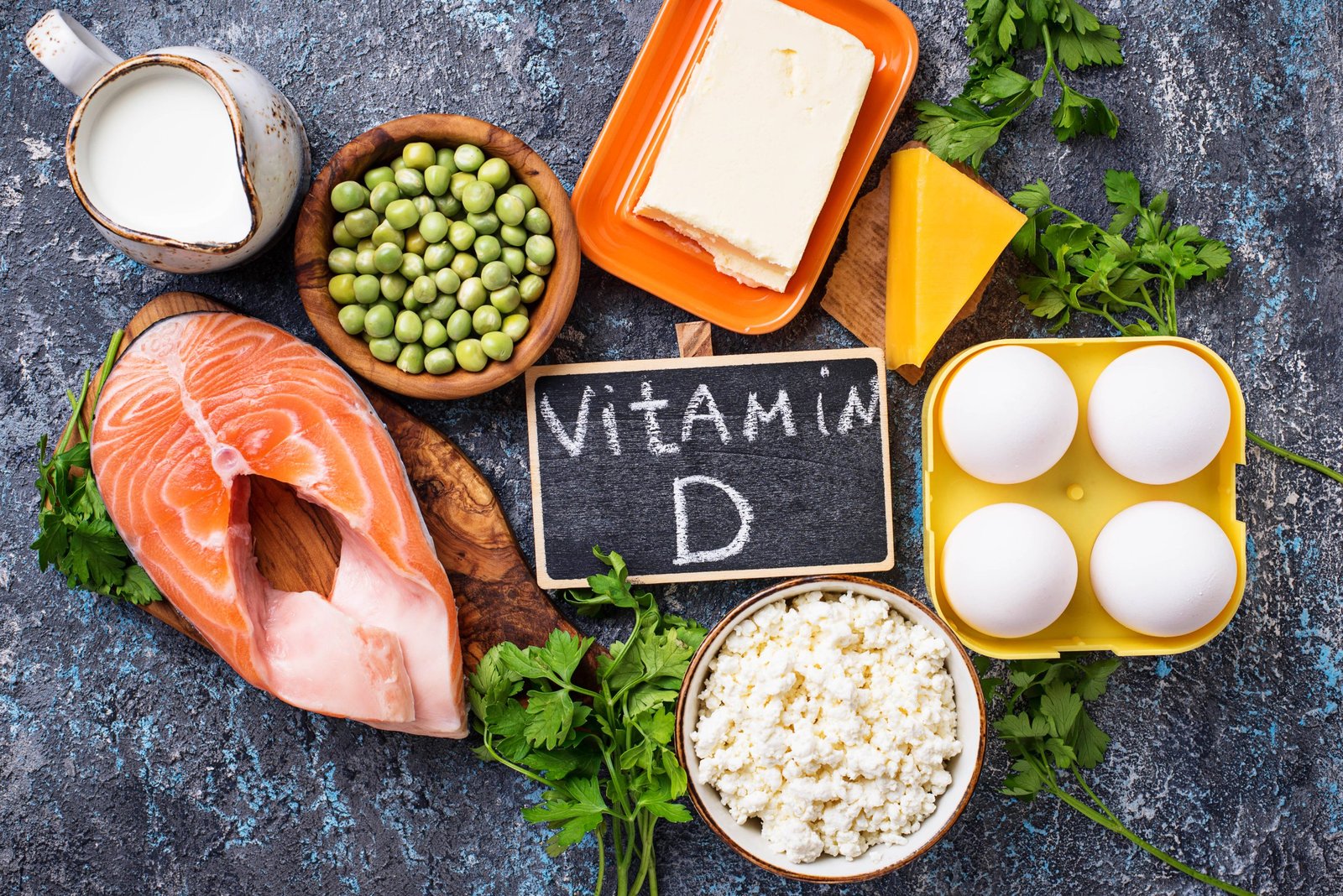
- Nutrient source. To boost your vitamin D levels, include foods rich in vitamin D, such as fatty fish such as salmon and mackerel, fortified foods, and dairy products. This study points out that it is important to incorporate these foods into your diet to improve your vitamin D status naturally. [2].
- Replenishment. Supplements can effectively maintain adequate vitamin D levels for people who cannot meet their needs through sun exposure or diet. The Recommended Dietary Allowance (RDA) for most adults is 600 to 800 IU per day. [4]However, this depends on your individual health, age, and specific needs.
- Monitor and adjust. We recommend monitoring your vitamin D levels through blood tests and adjusting your intake based on your doctor’s advice. By adjusting the dose to your specific needs, you can maximize health benefits without risking toxicity.
Vitamin D is an important nutrient that supports a variety of bodily functions, from bone health to immune function.
Knowing whether you need supplements, understanding the risk factors for deficiency, and knowing how to safely take optimal doses are important steps in managing your health.
Always consult your health care provider to tailor the appropriate approach to your needs and ensure you achieve the best possible results with vitamin D supplementation.
[1] https://longevity.technology/lifestyle/7-Effects-of-vitamin-d-when-you-take-it-everyday/
[2] https://www.mdpi.com/2072-6643/16/8/1176
[3] https://longevity.technology/lifestyle/vitamin-d-deficiency-signs-causes-treatment/
[4] https://www.hsph.harvard.edu/nutritionsource/vitamin-d/
Photo: Furman Photo/Envato
The information contained in this article is for informational purposes only. The purpose of this webpage is to promote broad consumer understanding and knowledge about a variety of health topics. It is not intended to be a substitute for professional medical advice, diagnosis, or treatment. Always seek the advice of your physician or other qualified health provider with any questions you may have regarding a medical condition or treatment and before starting a new health care plan. Also, never disregard professional medical advice or delay in seeking it for any reason. Read it on this website.
