

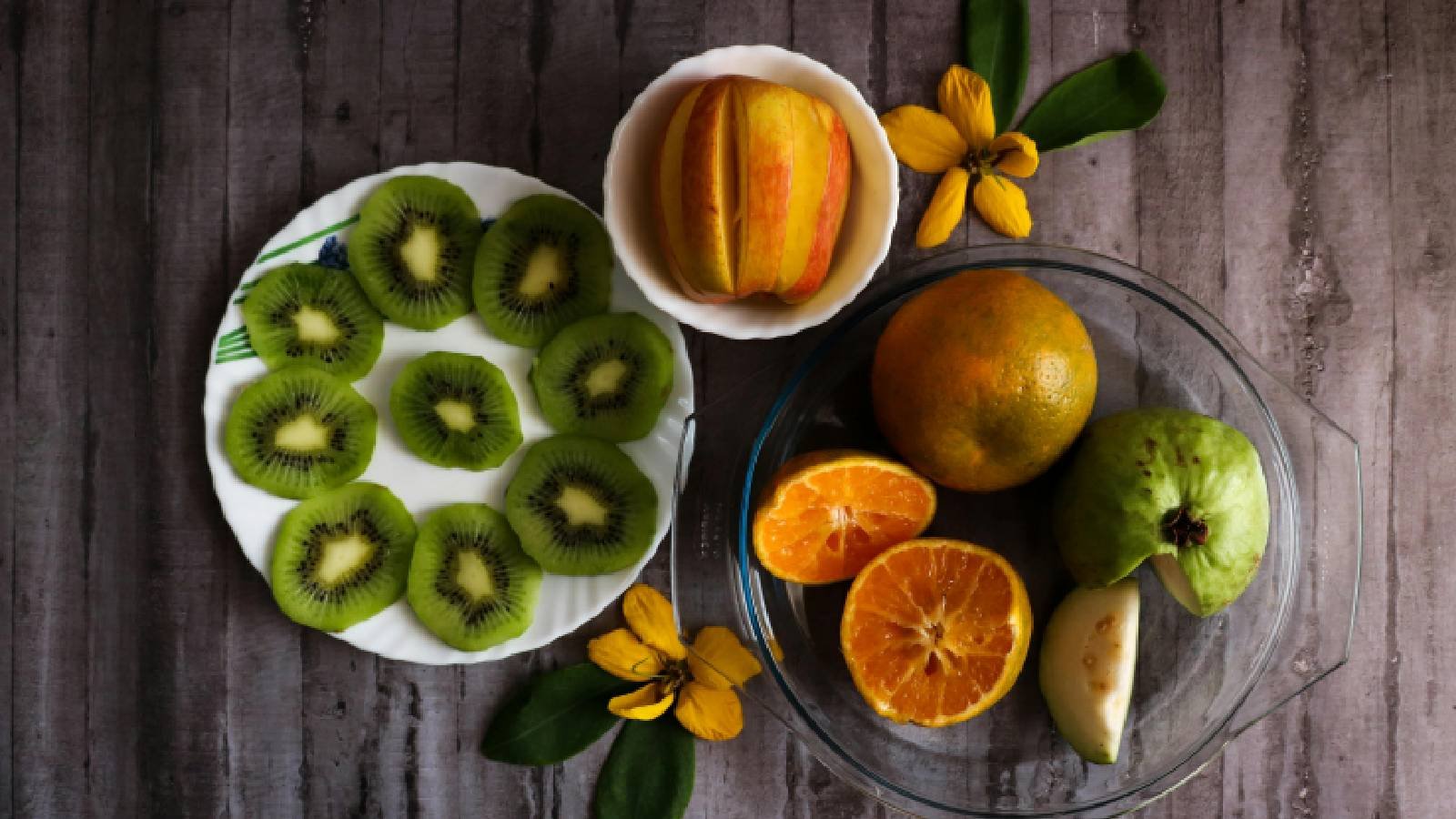
When we think of protein, we often think of non-vegetarian foods. However, not many know that many protein-rich fruits can help you get the daily protein you need in your diet. Although protein is not the main nutrient you get from fruits, many protein-rich fruits also provide many other nutrients.
Fruits like guava, avocado, and blackberries are packed with protein and are also high in fiber and other vitamins and minerals. Combining them with other protein-rich foods is a great idea. Adding these fruits to a smoothie makes for the perfect workout drink. Read on to find out more about high protein fruits and how you can include them in your diet.
{{{html data}}}
Can you get protein from fruit?
Yes, you can get protein from fruits. While it is true that fruits have a low protein content compared to other foods like meat, beans, and nuts, there are some fruits like guava, avocado, and blackberries that have slightly higher protein content. A study published in Advances in Nutrition states that the protein content of fruits is not enough to support growth and development. “Overall, it should be noted that fruits are not the primary source of protein. To meet your protein requirements, it is important to include a variety of protein-rich foods in your diet,” explains nutritionist Garima Goyal.
10 high protein fruits
Certain fruits not only provide a decent amount of protein, but also a variety of other essential nutrients that contribute to your overall health and well-being. Here are 10 fruits that contain more protein and their benefits.
1. Guava
Guava is one of the most protein-dense fruits, with about 4.2 grams of protein per cup, according to the U.S. Food and Drug Administration. In addition to its protein content, guava is also rich in dietary fiber, vitamin C, and antioxidants, which help boost immunity, improve skin health, and promote healthy digestion. Guavas can be eaten raw, sliced into salads, or blended into smoothies, making them a versatile addition to a healthy diet.
2. Avocado
According to the U.S. Food and Drug Administration, one cup of sliced avocado contains about 2.92 grams of protein. Avocados are also known to be rich in healthy fats, especially monounsaturated fats, which are good for your heart. They’re also rich in fiber, vitamins E and K, and B vitamins. Avocados are delicious sliced or mashed on toast, added to salads, or mashed to make guacamole.
3. Blackberry
According to the U.S. Food and Drug Administration, blackberries contain about 2 grams of protein per cup. They’re also high in vitamins C and K, dietary fiber, and antioxidants. Blackberries can be eaten raw, blended into smoothies, or used as a topping for yogurt, oatmeal, or cereal.
4. Kiwi fruit
According to the U.S. Food and Drug Administration, kiwi fruit contains 1.91 grams of protein per cup. It’s also a good source of vitamin C and dietary fiber, and is rich in antioxidants. From boosting your immune system to aiding digestion, kiwi fruit has many overall health benefits.
5. Orange
According to the U.S. Food and Drug Administration, oranges are very high in Vitamin C and contain about 1.69 grams of protein per cup. Oranges are excellent for immune health and skin vitality. They also contain dietary fiber, which aids digestion and prevents constipation. Oranges are delicious eaten raw or as juice.
6. Apricot
According to the U.S. Food and Drug Administration, 1 cup of sliced apricots contains 2.31 grams of protein. Apricots are also rich in vitamins A and C and dietary fiber. Apricots may promote eye health, boost the immune system, and help promote healthy skin. Apricots can be eaten fresh, dried, or added to salads and cereals.
Customize your feed by choosing the topics that interest you.
Customize now
7. Banana
According to the U.S. Food and Drug Administration, 1 cup of sliced bananas contains about 1.64 grams of protein. Bananas are also a good source of potassium, vitamin C, vitamin B6, and dietary fiber. Bananas support heart health, digestion, and energy levels. Bananas can be eaten raw, added to smoothies, or used in baked goods.
8. Peach
According to the U.S. Food and Drug Administration, one cup of peaches contains about 1.41 grams of protein. Peaches also contain vitamins A and C, dietary fiber, and antioxidants. Peaches promote healthy digestion, boost your immune system, and are great for your skin.
9. Cherries
According to the U.S. Food and Drug Administration, 1 cup of pitted cherries contains about 1.63 grams of protein. Cherries are also rich in antioxidants and contain vitamins A and C and dietary fiber. Cherries support heart health, reduce inflammation and improve sleep quality. Cherries can be eaten raw, added to salads, or used in baked goods and cooking.
10. Raspberry
According to the U.S. Food and Drug Administration, raspberries contain about 1.48 grams of protein per cup. Raspberries are rich in dietary fiber, vitamins C and K, and contain a variety of antioxidants. They can be eaten raw, blended into yogurt or smoothies, or used as a topping on cereals and desserts.
Tips for including high-protein fruits in your diet
To maximize protein absorption, eat these fruits in the following ways:
1. Combine with other protein sources
Combine fruits like guava and avocado with legumes, tofu, or tempeh in your salads or bowls to boost the overall protein content. For example, a quinoa salad with black beans, avocado, and guava chunks is a great protein-rich option.
2. Use it in smoothies
Mix high-protein fruits like blackberries, kiwifruit, and raspberries with plant-based protein powder or Greek yogurt for a protein-rich smoothie. Spinach, chia seeds, raspberries, and a scoop of protein powder will make this your favorite post-workout drink.
3. Add it to your breakfast dishes
Add some fruit, like bananas or peaches, and nuts and seeds to your oatmeal or chia pudding for extra protein. Oatmeal topped with sliced banana, chia seeds, and a dollop of almond butter makes a great high-protein breakfast.
4. Add to snacks
Combining fruit with nuts and seeds makes a protein-packed snack, while apple slices with peanut butter or guava with a handful of almonds make a filling, high-protein snack.
5. Add it to salads
Add high-protein fruits like oranges, kiwi fruit, and avocado to your salads along with chickpeas, edamame, and quinoa. A spinach salad with chickpeas, avocado, orange slices, and sunflower seeds is a great meal option.
6. Use it in salsas and dips
Use ingredients like mango, avocado, and blackberries to create a fruit-based salsa to top grilled tofu or a veggie burger. Mango and avocado salsa on black bean burgers is a great example of this.
7. Baking into a recipe
Including fruits like bananas and apricots in baked goods along with nuts, seeds, and whole grains makes for a protein-rich snack. Banana and walnut muffins and apricot and almond granola bars are two great healthy options.
8. Top with protein-rich foods
For a protein boost, try high-protein fruit topped with hemp seeds, chia seeds and chopped nuts. Greek yogurt with kiwi, raspberries and a sprinkling of hemp seeds is the perfect snack.
9. Combine with dairy products or dairy alternatives
Fruits like berries and bananas mixed with cottage cheese or plant-based yogurt make a protein-packed snack or dessert. Cottage cheese with fresh strawberries and honey makes a tasty snack.
10. Fill your grain bowl
For grain bowls with quinoa, farro, bulgur, beans, nuts, and seeds, be sure to add some fruit like cherries or peaches. An example would be a quinoa bowl with roasted chickpeas, fresh cherries, and sliced almonds.
summary
Although fruits are not known for their protein content, many fruits contain significant amounts of protein. Incorporating these high-protein fruits into a varied diet and combining them with other protein-rich foods can help increase your overall protein intake and ensure a balanced, nutrient-dense vegetarian diet.
