

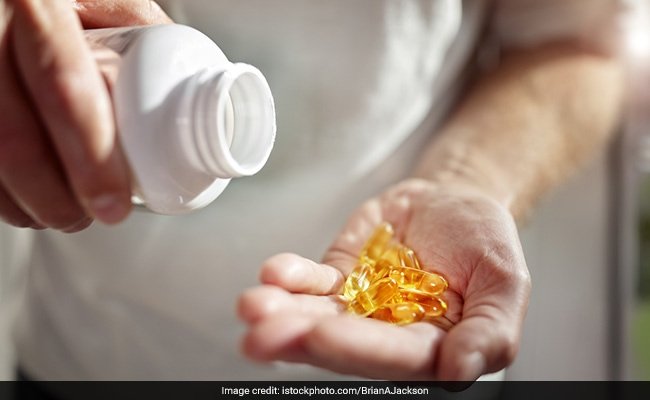
Vitamin D plays an important role in maintaining bone and muscle health. Research also highlights the role of vitamin D in maintaining healthy blood pressure levels.
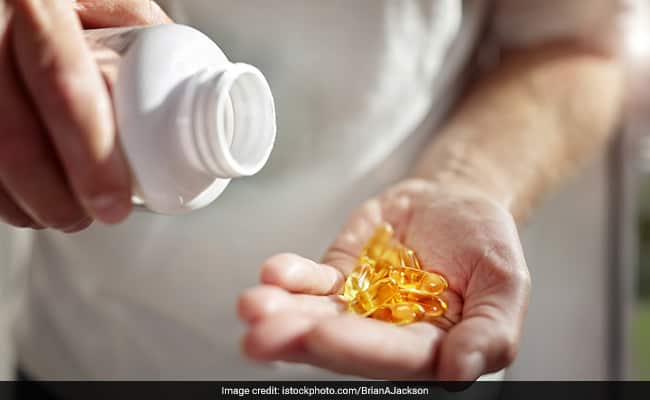
Vitamin D helps maintain healthy bones, muscles, and teeth
Hypertension, or high blood pressure, is more common than ever. If high blood pressure is left untreated, it can increase your risk of developing heart disease. There are several risk factors for high blood pressure. These include obesity, lack of physical activity, excessive salt intake, tobacco and alcohol consumption, excessive stress, and a family history of high blood pressure. However, it is little known that vitamin D deficiency can also cause high blood pressure. Read below to learn how and what to do to adjust your blood pressure numbers.
High blood pressure and vitamin D deficiency
Vitamin D plays an important role in maintaining bone and muscle health. Vitamin D deficiency is also very common.
Research also highlights the role of vitamin D in maintaining healthy blood pressure levels. Vitamin D may change the way some body chemicals control blood pressure. When vitamin D levels are low, arteries become stiffer, making it harder for blood to flow through them.
Additionally, low vitamin D levels are also associated with an increased risk of developing heart disease.
People with vitamin D deficiency are more likely to develop diabetes as well as high blood pressure.
However, further research is needed to establish a clear link between high blood pressure and heart disease and vitamin D deficiency.
It is also unclear whether vitamin D supplementation helps prevent heart disease.
Side effects of vitamin D deficiency:
To maintain overall well-being and healthy blood pressure levels, it’s wise to maintain healthy vitamin D levels.
Low levels of vitamin D in the body can lead to fatigue, frequent illness, muscle pain, poor bone health, weight gain, hair loss, muscle pain, and mental problems.
Other ways to maintain healthy blood pressure levels:
- Consume salt in moderation
- Exercise regularly for at least 30 minutes a day
- Practice the DASH diet
- Add potassium-rich foods to your diet
- limit alcohol intake
- quit smoking
- lower stress level
- Lose weight if you are overweight
If you have chronic high blood pressure, see your doctor.
Disclaimer: This content, including advice, provides general information only. It is in no way a substitute for qualified medical opinion. Always consult a specialist or your doctor for more information. NDTV is not responsible for this information.
DoctorNDTV is your one-stop site for all your health needs, providing the most trusted health information, health news, tips with expert advice on healthy living, meal plans, informative videos, and more. Get the most relevant and accurate information you need about your health issues. Diabetes, cancer, pregnancy, HIV, AIDS, weight loss, and many other lifestyle diseases. We have a panel of over 350 experts who help us develop our content by providing valuable input and keeping you up to date with the latest information in the world of healthcare.
