

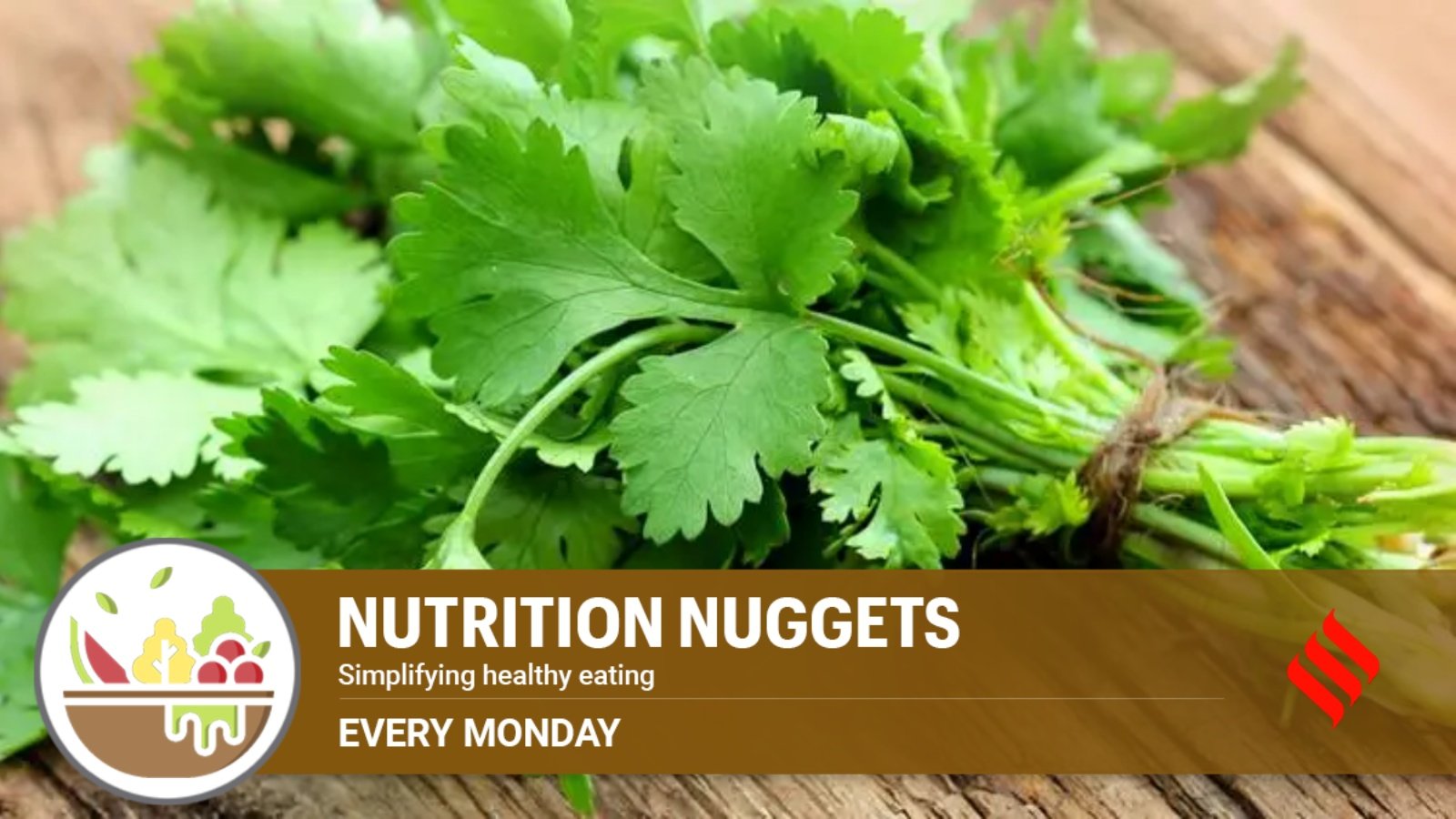
With the summer sun beating down on you, incorporating cooling herbs into your diet can have a refreshing effect and boost your nutritional intake. Herbs such as mint, coriander and basil not only enhance the flavour of your dishes, but also have great health benefits and can be added to salads, soups and juices.
Known for its refreshing taste and aroma, mint is rich in several essential nutrients, including vitamins A and C, iron, calcium, magnesium, and potassium. One tablespoon of fresh mint (about 3.2 grams) contains about 1 calorie, 6 percent of the daily recommended value (DV) of vitamin A, 1 percent of the daily recommended value (DV) of vitamin C, and 1 percent of iron.
The menthol in mint relaxes the muscles in your digestive tract, relieving symptoms of indigestion, bloating, and gas. Additionally, menthol acts as a decongestant and breaks down mucus to relieve cold and allergy symptoms. Mint leaves are rich in antioxidants that may combat oxidative stress and reduce the risk of chronic diseases such as heart disease and cancer. Additionally, chewing mint leaves or using mint-flavored oral products can help freshen your breath and reduce bacteria in your mouth.
Add these leaves to iced tea, lemonade or smoothies for a refreshing taste, or incorporate them into salads, salsas and desserts.
Coriander or cilantro: a nutritional powerhouse
Coriander, also known as cilantro, is an herb rich in vitamins and minerals. 1/4 cup (about 4 grams) of fresh cilantro contains just 1 calorie, 5 percent of your recommended daily intake of vitamin A, 2 percent of your recommended daily intake of vitamin C, and 16 percent of your recommended daily intake of vitamin K.


Coriander has been found to help remove heavy metals such as mercury and lead from the body. This herb contains cineole and linoleic acid, which have anti-inflammatory properties that may help relieve symptoms of arthritis and other inflammatory diseases. Additionally, coriander has antibacterial properties, making it effective at fighting infections and bacteria. Like mint, coriander is rich in antioxidants that may protect cells from damage and reduce the risk of various chronic diseases.
Cilantro leaves can be sprinkled on any dish, including guacamole, salsa, and salads, or used as a garnish for soups and grilled meats.
Basil: The Anti-Inflammatory Shield


Basil is rich in vitamins A, K, and C, as well as magnesium, iron, potassium, and calcium. One tablespoon (about 2.5 grams) of fresh basil contains about 1 calorie, 3 percent of the recommended daily intake of vitamin A, and 13 percent of the recommended daily intake of vitamin K.
Basil contains eugenol, an anti-inflammatory that reduces swelling and pain. It’s also rich in antioxidants that protect the body against free radical damage. Plus, basil’s adaptogenic properties help the body handle stress and clear the mind. Basil is great in summer pestos, salads, refreshing drinks, and lemonades. It also pairs well with tomatoes.
Lemon Balm: Herb for Better Sleep
A member of the mint family, lemon balm has a mild lemon flavor and is rich in antioxidants, including vitamin C, thiamin, and folate.
Lemon balm is known for its calming effects, helping to reduce anxiety and improve sleep. It also soothes the digestive tract, reducing symptoms of indigestion and bloating. Lemon balm can also be infused into iced tea, used in fruit salads, or added to desserts for a tangy flavor.
© Indian Express Ltd.
First uploaded: May 27, 2024 7:12 AM
