

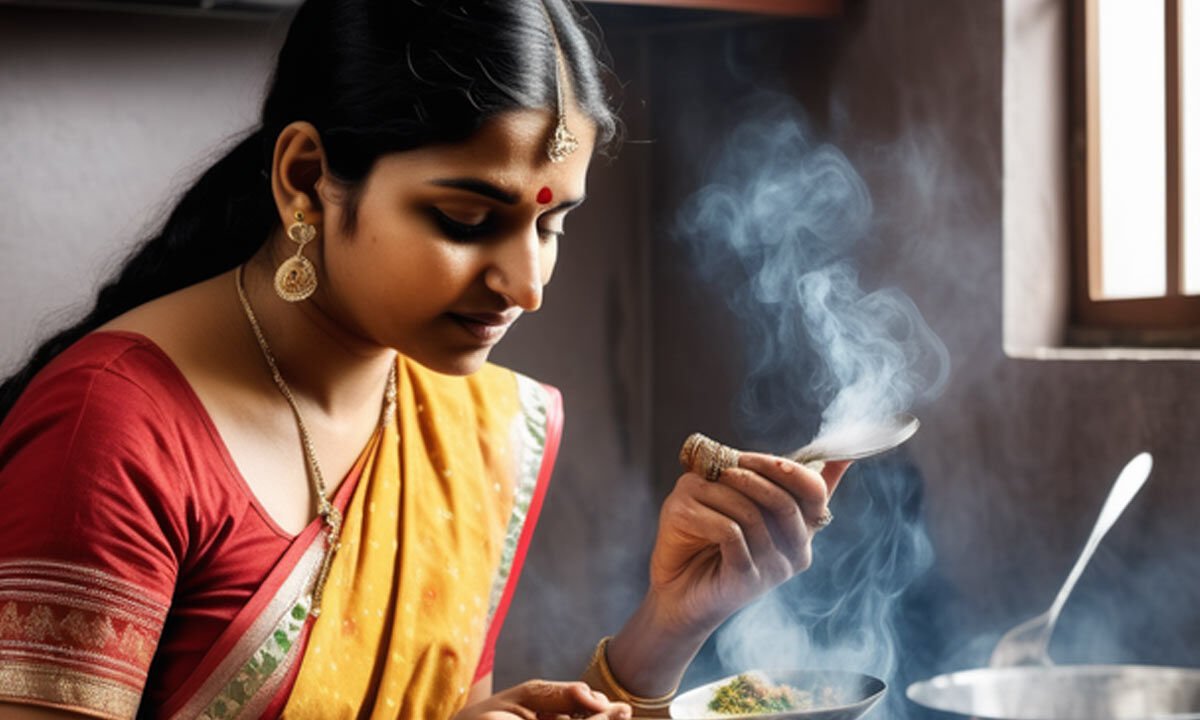
In a recent episode, Indian contestant Adi Nebugi, winner of MasterChef Australia 15, faced a less favorable fate in an elimination challenge where the top eight contestants were put through a pearl taste test. She has failed to take traditional recipes and cooking techniques to an international platform.
Food has been featured in various movies, and people’s language and food choices change every 11 kilometers. These films illuminate sociopolitical, cultural, and emotional issues such as the complexities of modern relationships, gender roles, and the relationship between housewives and kitchens. Some movies have created controversy by presenting distorted information about eating habits and habits.
Social media platforms are powerful drivers of food trends and dining experiences, with Instagram elevating food to art and short videos, and TikTok offering videos that are quick and easy to understand. Yelp has leveled the playing field in restaurant reviews, allowing everyday diners to share their experiences. Bringing a fresh and relatable perspective, food influencers have become strategic partners for food brands and restaurants, collaborating on special menus and limited-time offers.
There are over 600 million foodie blogs online, with 2 billion posts published annually. 39% of Instagram users seek food content, and 27% share photos and videos of their own food. The hashtag #food has been used 250 million times by him on Instagram. The number of gourmet blogs has increased by 12% since 2015, demonstrating continued audience interest. Influencer marketing in the food sector is particularly lucrative, with the average monthly income for food blogging being $9,170. (profiletree.com)
There is no fact checking whatsoever in the information being shared, the information is distorted, and there are unique amalgamations of traditional foods. There is a dire need to understand the science of food as described in our culinary history and the knowledge passed down through generations. For example, food combinations such as fish and dairy products or tomatoes and spinach can cause serious illness.
The millennia-old culinary tradition of India is famous for its mouth-watering taste and health benefits. These recipes, passed down through generations, reflect the wisdom of our ancestors. However, the rise of fusion cuisine and modern cooking methods has raised concerns about the loss of traditional cooking practices and its impact on health.
Consumption of the food groups in the model plate in accurate proportions can help prevent malnutrition and ensure adequate intake of micronutrients, bioactive compounds, functional foods, and antioxidants. Supplements may not be sufficient to provide all the nutrients met from this model plate. Supplements can interfere with absorption, so it’s important to take certain nutrients regularly. Food micronutrients are better absorbed and bioavailable than supplements or fortified foods.
The importance of traditional Indian recipes for health
Traditional Indian cuisine is the foundation of good health and is rooted in ancient wisdom and holistic principles. We use nutrient-dense ingredients such as vegetables, lentils, chickpeas, paneer, and other fresh, seasonal, locally sourced ingredients that provide your body with essential nutrients, vitamins, and minerals. These ingredients support bodily functions such as digestion, immunity, and metabolism.
Indian cuisine also uses healing spices and herbs such as turmeric, cinnamon, ginger, and cardamom. These are powerful medicinal ingredients with anti-inflammatory and antioxidant properties. The combination of spices and herbs in traditional Indian recipes is often based on Ayurvedic principles, emphasizing the balance of the body’s doshas (bioenergetics) for optimal health. This holistic approach ensures that your meals not only satisfy your taste buds, but also harmonize with your body and promote overall health.
Traditional diets include a balanced mix of food groups to ensure a comprehensive intake of nutrients. A typical Indian thali consists of dal, sabzi, roti, rice, and yogurt, providing a combination of carbohydrates, proteins, fats, vitamins, and minerals. This balanced approach maintains stable blood sugar levels, supports healthy digestion, and provides sustained energy throughout the day. The diversity of ingredients and flavors in traditional Indian cuisine promotes careful eating and portion control, promoting healthier food choices and reducing the risk of overeating and weight gain.
Traditional Indian recipes are more than just meals. These reflect India’s rich cultural heritage, culinary traditions and regional diversity. By preserving these recipes and passing them down through the generations, we not only preserve our cultural identity, but also ensure that knowledge of traditional cooking methods and their health benefits continues to thrive. To do.
Incorporating traditional recipes into our daily meals allows us to connect with our roots, appreciate the wisdom of our ancestors, and develop a deeper appreciation of the relationship between food, health, and well-being. Healthy cooking techniques such as sautéing, steaming, and stewing help preserve nutrients and use healthy fats in moderation for satiety and nutrient absorption.
How fusion cuisine affects your health
Despite its global appeal, fusion cuisine often incorporates processed ingredients, excessive oil use, and high-calorie ingredients, which can compromise the nutritional value of the dish. Traditional flavors and health benefits can be diluted by mixing with foreign elements. Preference for quick cooking methods such as frying and microwaving can lead to eating unhealthy fats and additives. Furthermore, fusion can result in the loss of traditional cooking techniques and knowledge, moving us away from our culinary roots.
The importance of preserving traditional knowledge
Preserving traditional recipes and cooking methods is very important to preserve cultural heritage and promote health. Traditional Indian cuisine offers a variety of dishes that cater to different dietary needs. By incorporating these habits into your daily diet, you can enjoy nutritious meals that support your overall health. Preserving traditional knowledge allows future generations to access the wisdom of their ancestors and preserves a legacy of healthy eating and culinary excellence. It also fosters awareness of the cultural importance of food and encourages sustainable practices.
conclusion
Traditional Indian recipes are very important for health, offering a harmonious blend of flavours, nutrients and cultural heritage. Fusion cuisine puts a modern spin on traditional dishes, but it’s essential to strike a balance that respects our culinary roots and encourages health-conscious choices. By preserving traditional knowledge and embracing traditional culinary principles, we can build a healthier and more sustainable future for ourselves and future generations.
