

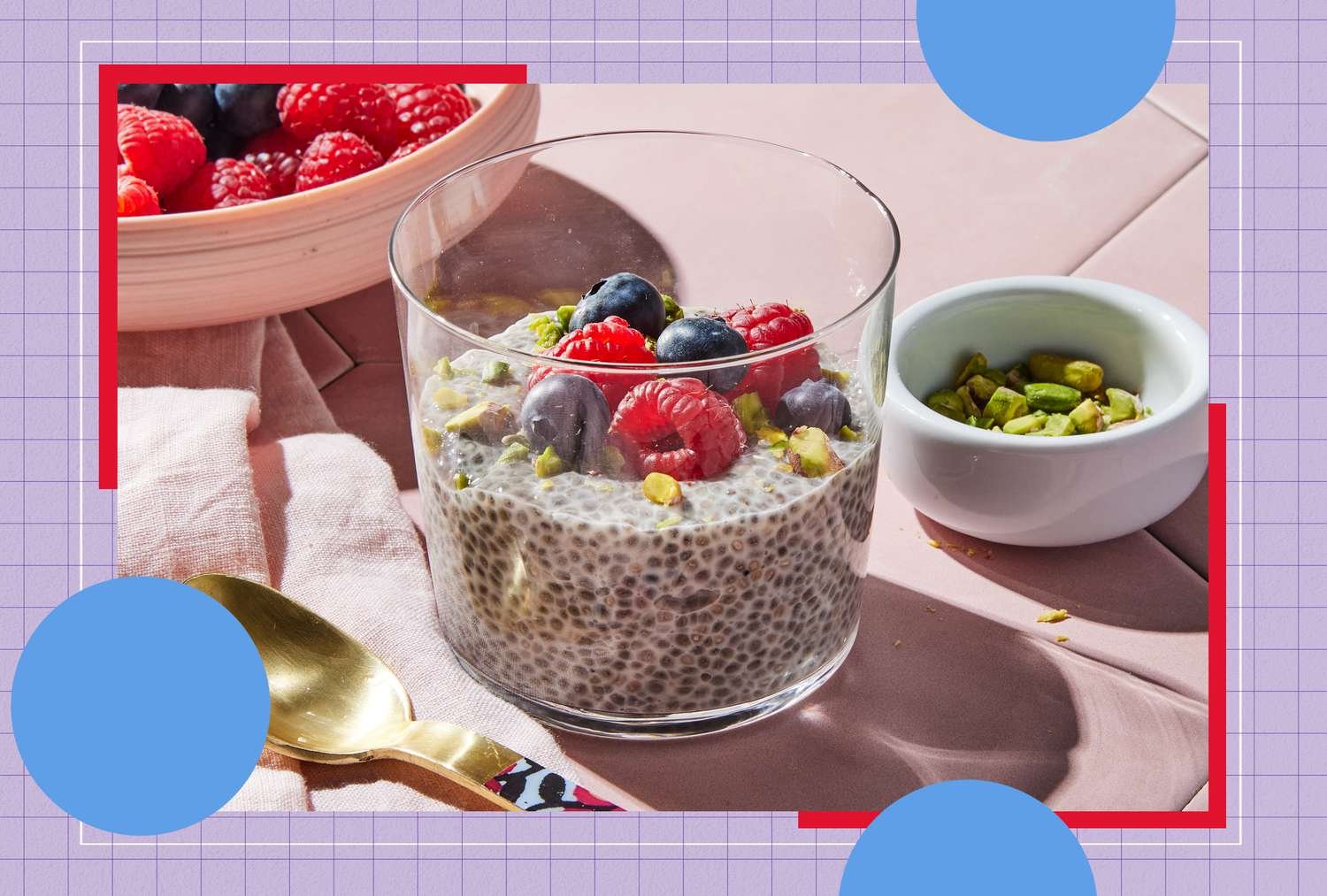
Chia seeds are small, nutritious seeds that are rich in fiber, protein, omega-3 fatty acids, and antioxidants. Their excellent nutritional profile has several health benefits and makes them a great addition to a balanced diet. But you may be wondering what happens to your body when you eat chia seeds regularly. And how much should you eat? Read on to find answers to these questions, including chia seeds’ health benefits, potential risks, and expert tips for incorporating nutritious seeds into your diet.
health benefits of chia seeds
May improve digestion
Chia seeds are rich in fiber, with just 2 tablespoons providing 10 grams of fiber. Research shows that fiber can support healthy digestion by promoting regular bowel movements, strengthening the immune system, and promoting gut health.
Mucilage, a type of fiber that gives chia seeds a gel-like consistency when soaked in water, can help slow digestion, prevent blood sugar spikes, and increase satiety.
“Chia seeds are an excellent source of soluble fiber, which is important for healthy digestion,” says registered dietitian and nutrition writer Brittany Lubeck. “Soluble fiber helps add bulk to stools, which may prevent constipation. There is a gender.”
May reduce inflammation
The omega-3 fatty acids found in chia seeds include alpha-linolenic acid (ALA), which research suggests has anti-inflammatory effects. These omega-3s help reduce inflammation in the body associated with various chronic diseases such as cardiovascular disease, diabetes, and certain types of cancer.
“Omega-3 fatty acids like ALA are found in several plant foods, including chia seeds,” Lubeck says. “ALA has anti-inflammatory properties and is also key to nervous system health.”
May reduce risk of chronic disease
Chia seeds are rich in antioxidants that protect the body from oxidative stress and free radical damage. Research shows that reducing oxidative stress may reduce the risk of chronic diseases such as cardiovascular disease, diabetes, neurodegenerative diseases, and cancer.
“Chia seeds contain a variety of antioxidants, including polyphenols. These antioxidants scavenge free radicals and reduce oxidative stress. Dietary antioxidants are important for disease prevention. ,” Lubeck explains.
May promote heart health
The omega-3s found in chia seeds can help reduce inflammation, lower LDL (known as “bad”) cholesterol levels, and increase HDL (known as “good”) cholesterol levels, all of which are good for your heart. Contributes to improving health conditions. Additionally, research has shown that chia seeds can support heart health by lowering blood pressure.
An excellent source of vegetable protein
Despite their small size, chia seeds are an excellent source of plant-based protein, containing about 5 grams per 2 tablespoons. This makes them a great source of vegan protein.
“Chia seeds can help meet the protein needs of vegans and vegetarians,” says Lubeck. “Protein is an essential macronutrient needed for a huge list of body processes, including wound healing, muscle health, and immunity.”
Full of nutrition
“Chia seeds also contain micronutrients (vitamins and minerals) that your body needs in small amounts every day,” Lubeck says. “When you eat chia seeds, you get calcium, iron, magnesium, phosphorus, potassium, zinc, selenium, folate, vitamin A, B vitamins, and more. These micronutrients are important for metabolism, bone health, reproductive health, and more. , essential for many aspects of health.”
Nutritional information display
Here we take a closer look at the nutritional profile of 1 ounce (28 grams/2 tablespoons) of chia seeds.
- calorie: 138
- Total carbohydrates: 12g
- Dietary fiber: 10g
- Total carbohydrates: 0g
- protein: 5g
- total fat:9g
- Saturated fat: 1g
- PUFA 18:3 n-3 (ALA): 5g
- sodium: 5mg
- calcium: 179mg
- Rin: 244mg
- potassium: 115mg
Potential risks and precautions
Chia seeds are generally safe for most people, but small studies suggest they may cause allergic reactions, especially in people who are already allergic to other seeds or nuts, especially sesame seeds. I understand.
When chia seeds come into contact with liquid, they swell to form a gel-like substance, which can pose a choking hazard, especially for people with swallowing disorders.
Additionally, chia seeds’ fiber content can cause digestive symptoms such as bloating, gas, and diarrhea. “If you have digestive issues, you should be aware of chia seeds’ high fiber content,” warns Lubeck. “For people with irritable bowel syndrome (IBS), inflammatory bowel disease (IBD), or other digestive disorders, too much fiber can worsen symptoms.”
How to incorporate chia seeds into your diet
For those looking to add chia seeds to their diet, Lubeck has some tips for getting the most out of this small but mighty seed.
FAQ
How many chia seeds should I eat per day?
Chia seeds in moderate amounts appear to be generally safe. However, how much you should eat depends on your medical condition and dietary needs. However, some clinical trials have used approximately 30 to 37 grams. However, the safest option is to consult your health care provider or registered dietitian.
What effect do chia seeds have on the body?
Chia seeds contain fiber, omega-3 fatty acids, antioxidants, vitamins, and minerals that improve digestion, reduce inflammation, reduce the risk of chronic disease, and support heart health.
Can chia seeds reduce belly fat?
Chia seeds are highly nutritious and can help with weight loss due to their high fiber content, but there is no evidence that they specifically target belly fat.
Are chia seeds better than fish oil?
Chia seeds are an excellent plant-based source of omega-3 fatty acids, especially ALA. However, seafood provides eicosapentaenoic acid (EPA) and docosahexaenoic acid (DHA), which are essential for brain, heart, eye, and hormonal health. Your body can convert ALA to EPA and DHA, but only in small amounts. Therefore, it is recommended to consume food sources containing all three types of omega-3.
conclusion
Although chia seeds are small, they are rich in nutrients such as fiber, protein, omega-3s, and antioxidants. Adding them to your diet may improve digestion, reduce inflammation, reduce chronic disease, and support heart health.
However, as it is rich in dietary fiber, it is essential to consume it in moderation to avoid potential digestive problems. People with nut or seed allergies or gastrointestinal disorders such as IBS or IBD should use caution when consuming chia seeds on a regular basis.
To incorporate chia seeds into your diet, consider adding them to yogurt, oatmeal, and smoothies. You can also use it as a thickener in soups and sauces, make chia seed pudding, or add it to baked goods. These tips will help you enjoy the health benefits of chia seeds in a delicious and convenient way.
