


Are you struggling to grow long, healthy hair? You’re not alone. Many people suffer from thinning and damage that leads to hair loss. Experts say it’s normal to lose 50-100 hairs a day, but if you’re losing significantly more than that, it could be a sign that your hair follicle health is at risk. Factors like health, stress, and vitamin deficiencies can all affect the health of your hair.
If you notice thinning hair, consult your doctor or dermatologist to find out the cause of hair loss. In addition to that, you can improve the health of your hair follicles by changing your diet. A healthy lifestyle plays a key role in keeping your hair looking its best. In addition to a healthy diet, you may need to use supplements to get the vitamins and minerals needed for healthy hair growth. Read on to find out about supplements and natural ways to get the vitamins needed for hair growth.
read more: The best vitamins for hair growth
What are the best vitamins for hair growth?

Vitamins have many amazing benefits for your hair: they aid in cell growth, prevent free radical damage to your hair, prevent premature greying, and nourish hair follicles to encourage growth.
Here are the best vitamins for hair growth and thickness.
Biotin
Biotin, also known as Vitamin B7, stimulates the production of keratin and promotes hair follicle growth. Biotin deficiency is rare and is most commonly diagnosed as biotinidase deficiency. This vitamin is found in many foods, including eggs, meat, fish, nuts, sweet potatoes, and seeds.
The recommended daily intake for adults is 30 micrograms.
Vitamin A
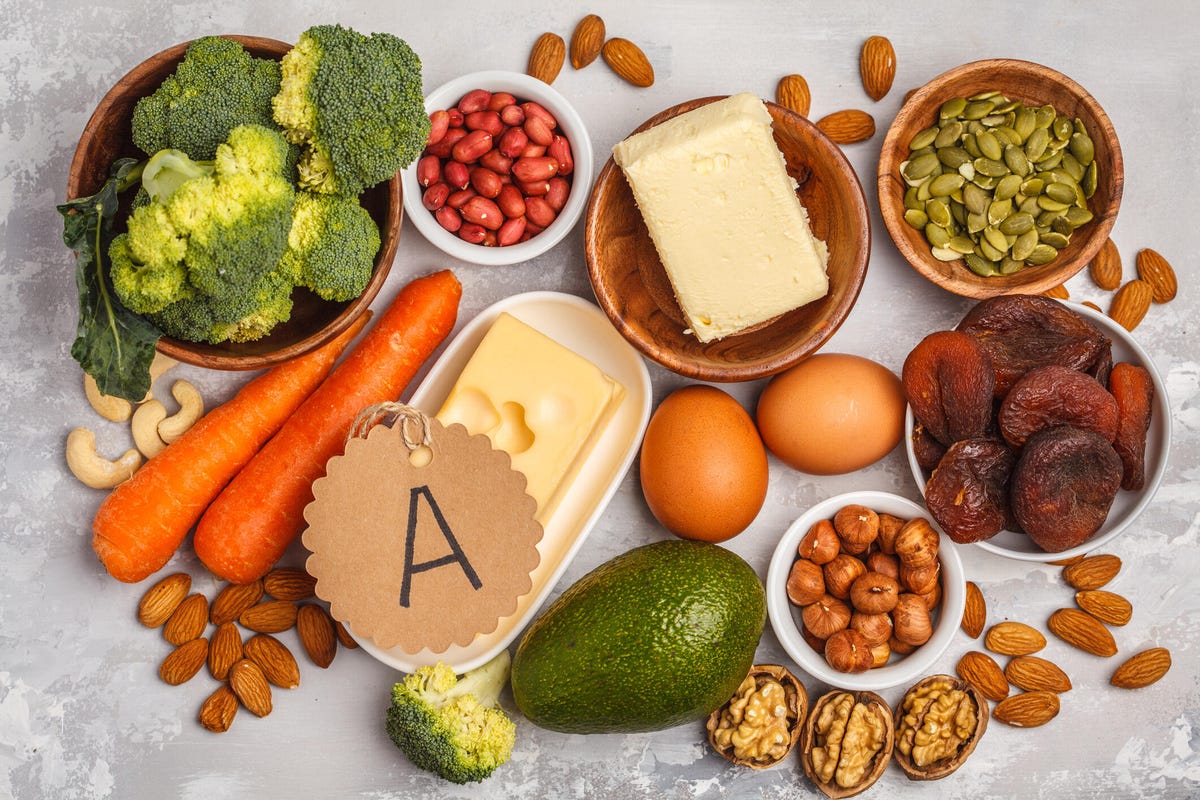
Hair cells are the fastest growing part of your body, so it’s only natural that Vitamin A is the perfect fuel for their growth. When your body absorbs Vitamin A, it produces sebum, an oily substance that moisturizes the scalp and keeps it and hair follicles healthy. A deficiency of Vitamin A can cause hair loss.
To get more vitamin A, eat foods that are high in beta-carotene, which converts into vitamin A. Foods high in beta-carotene include sweet potatoes, pumpkin, carrots, spinach, and kale. It’s also found in cod liver oil, eggs, yogurt, and milk.
The recommended daily intake of Vitamin A is up to 900 mcg for men and 700 mcg for women.
Vitamin C
Oxidative stress is one of the main factors that cause hair loss. It occurs when there is an imbalance of free radicals and antioxidants in the body, which can cause an electron imbalance leading to hair loss.
The solution is to eat foods that contain Vitamin C. Your body has antioxidants that help prevent free radical damage to your hair by balancing the electrons in the free radicals. In addition to balancing, Vitamin C also helps your body produce collagen (which helps prevent hair from going gray sooner) and absorbs iron, which aids in hair growth. Smoking, drinking alcohol and an unhealthy diet can lead to Vitamin C deficiency.
Vitamin C is found in citrus fruits, bell peppers, strawberries, tomatoes and guavas. Your body doesn’t produce Vitamin C, so you need to include these in your diet or take a Vitamin C supplement.
The recommended daily intake for adult men is up to 90 milligrams and for adult women up to 75 milligrams of vitamin C. Taking too much vitamin C can cause symptoms such as heartburn, muscle cramps, fatigue, hot skin, and kidney stones.
read more: Best Multivitamin
Vitamin D
Vitamin D deficiency can lead to hair loss conditions such as alopecia, female pattern baldness, and excessive hair loss. These deficiencies are more common in people over the age of 65.
To get more Vitamin D, include oily fish, cod liver oil, fortified foods (cereals, eggs, bread, yogurt) and mushrooms in your diet, or get some sunlight during the day.
The recommended daily intake of Vitamin D for adults is 600 IU. Taking too much Vitamin D can cause nausea, weight loss, disorientation and heart rhythm problems.
Vitamin E
Vitamin E has the same antioxidant properties as Vitamin C, meaning it can counteract oxidative stress by balancing free radical electron levels. People prone to Vitamin E deficiency include those with diseases such as Crohn’s disease and cystic fibrosis.
Vitamin E is an effective way to treat hair loss. A small study found that people who took vitamin E supplements for eight months saw a 34.5% increase in hair growth. Vitamin E is also found in sunflower seeds, spinach, avocados, and almonds.
If taken as a supplement, the recommended dosage is 15 milligrams per day.
iron
Iron is needed to produce hemoglobin, a protein found in red blood cells in the body. These cells deliver oxygen to cells throughout the body and help with cell repair and growth. Iron deficiency can lead to hair loss, with women being affected the most.
Iron is found in foods such as eggs, red meat, lentils, spinach, oysters, and clams. You can also take an iron supplement if your doctor recommends it.
The recommended daily allowance for iron is 45 mg. Be careful not to consume too much iron as it can cause constipation, stomach pain, and vomiting.

zinc
Zinc promotes hair growth and improves the functioning of the sebaceous glands around the hair follicle. A zinc deficiency can lead to hair loss. Those most susceptible to zinc deficiency are those who consume excessive amounts of alcohol, those with Crohn’s disease, pregnant or breastfeeding women, and those with chronic kidney disease.
Zinc is found in many common foods, including beef, spinach, wheat germ, pumpkin seeds, oysters, and lentils. The recommended daily intake of iron is 11 mg for men and 8 mg for women. Too much zinc can cause symptoms such as loss of appetite, cramps, and headaches. It can also lower good cholesterol.
How long does it take for hair growth vitamins to work?
Hair supplements don’t work overnight. It may take several months before you start to see even a small improvement. Remember that success rates vary depending on the cause of hair loss, diet, genetics, and other factors.
Conclusion
Vitamins can repair damaged hair, prevent premature aging, reduce hair loss, and improve growth and volume. Also, vitamins aren’t a one-size-fits-all solution. If you’re experiencing significant hair loss due to environmental, underlying health conditions, or other factors, talk to your doctor. Your doctor can work with you to create a targeted plan that includes vitamins.
