

In recent weeks, the media has been awash with reports that the government is reviving plans to implement a Religious Organizations (RFO) policy, apparently as a means of regulating faith and curbing unscrupulous behavior by some religious leaders. They are hatching.
Efforts to implement this policy have so far been fruitless, as many have always questioned its necessity and underlying intentions.
I am often featured in the media, seeing as my faith touches the core of my being and that policies like this could potentially impact my free exercise of religion. We went beyond the sanitized image and delved into the heart of the content of the draft policy. .
It appears to be a carefully calculated move to monitor and control faith-based organizations and shove them neatly under the arm of the secular state in the name of regulating faith. After all, you can’t control what you don’t regulate.
First, by seeking to create a state religion in which all faiths are systematically controlled by state institutions, this proposed policy violates constitutional freedoms of expression, association, and worship, and violates ethical and moral rights. Compulsory explanation and reporting to the Directorate of Integrity (DEI). ) under the auspices of the Office of the President. Simply put, it seeks to elevate the office and person of the president to the status of supreme deity, surpassing churches and mosques alike.
To accomplish this, proponents of the policy propose creating a government-approved Religious Organizations Commission that would be empowered to register, deregister, and monitor RFOs. It is to this same board that the RFO must submit its action plan and budget for inclusion in the government budget and subsequent approval. Won’t this ultimately lead to religious leaders who should be nonpartisan being reduced to a compromising group that knows where their bread is buttered? I mean, who would want to bite the hand that feeds them?
Again, this proposed policy is intended to establish mandatory uniform standards across the RFO and promote “standardized” clergy training, but in my opinion this is counterproductive simply because the doctrines differ between different denominations.
Voluntary formal training is fine, as many clergy have practiced, but forced standardization leads to “government-sanctioned” training institutions tasked with speaking only “one language.” could very easily appear and pass. To unsuspecting believers.
And, needless to say, there are a number of exhaustive criminal laws that adequately address all the unfortunate acts (mortal sins) cited by the instigators of this policy. Fortunately for them, many of the acts allegedly committed by some religious leaders are actually crimes punishable by law.
That said, if the DEI concerns are well-founded and genuine, why weren’t these existing avenues considered? So does the problem lie with churches and mosques, or with the law enforcement system? Is there one?
Finally, the language of this policy does soundly suggest one thing. The idea is that religious groups are stripped of their spiritual identity and are instead reduced to propaganda machines that exist to advance the government’s agenda, turning them into some kind of ministry.
For those who have existed peacefully up until now, supporting and checking the government when necessary, I see no need to further institutionalize such associations, unless of course there is an ulterior motive.
Now, my concerns above may sound far-fetched until you juxtapose the highlighted proposals with what is currently happening in countries like China, where similar laws have been enacted. To give more context, on September 1, 2023, China tightened its political control over places of worship and related activities by issuing new regulations on religious activities under the State Religious Administration.
It is noteworthy that despite the growing hostility towards religion in China, many believers reject this surveillance and continue to pray in “unofficial” churches and mosques.
Similarly, it is clear that if our government passes this RFO policy, directly impacting the majority of Ugandans, it could easily turn into an explosive situation. Uganda should have learned something from former President Idi Amin’s attempts to regulate religion and its disastrous aftermath.
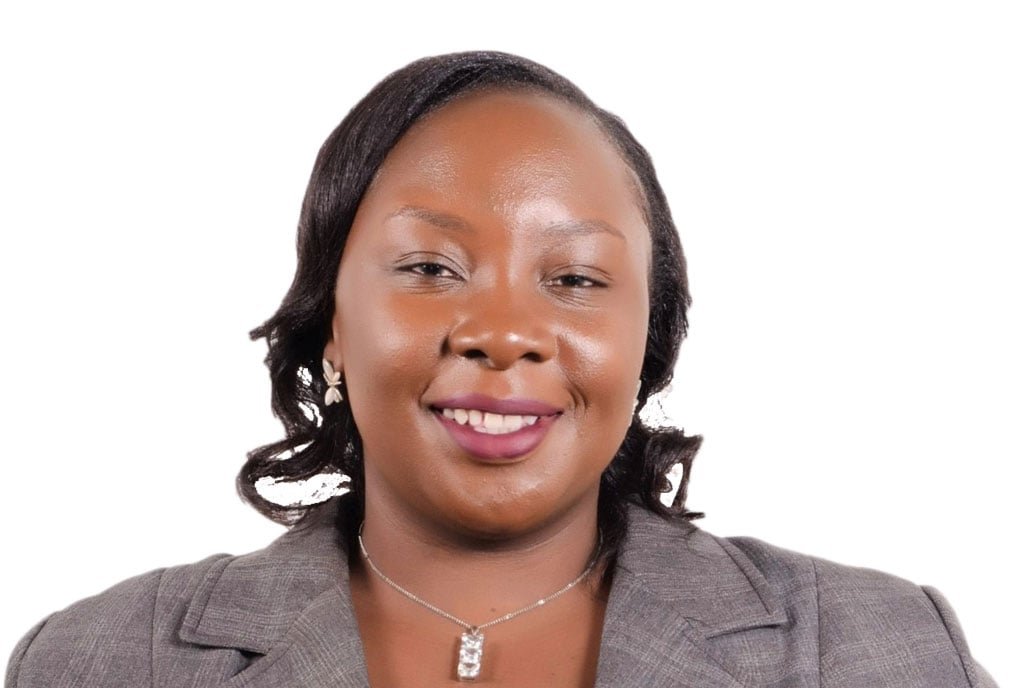
*The author, Evelyn Naikova, is a lawyer.
