

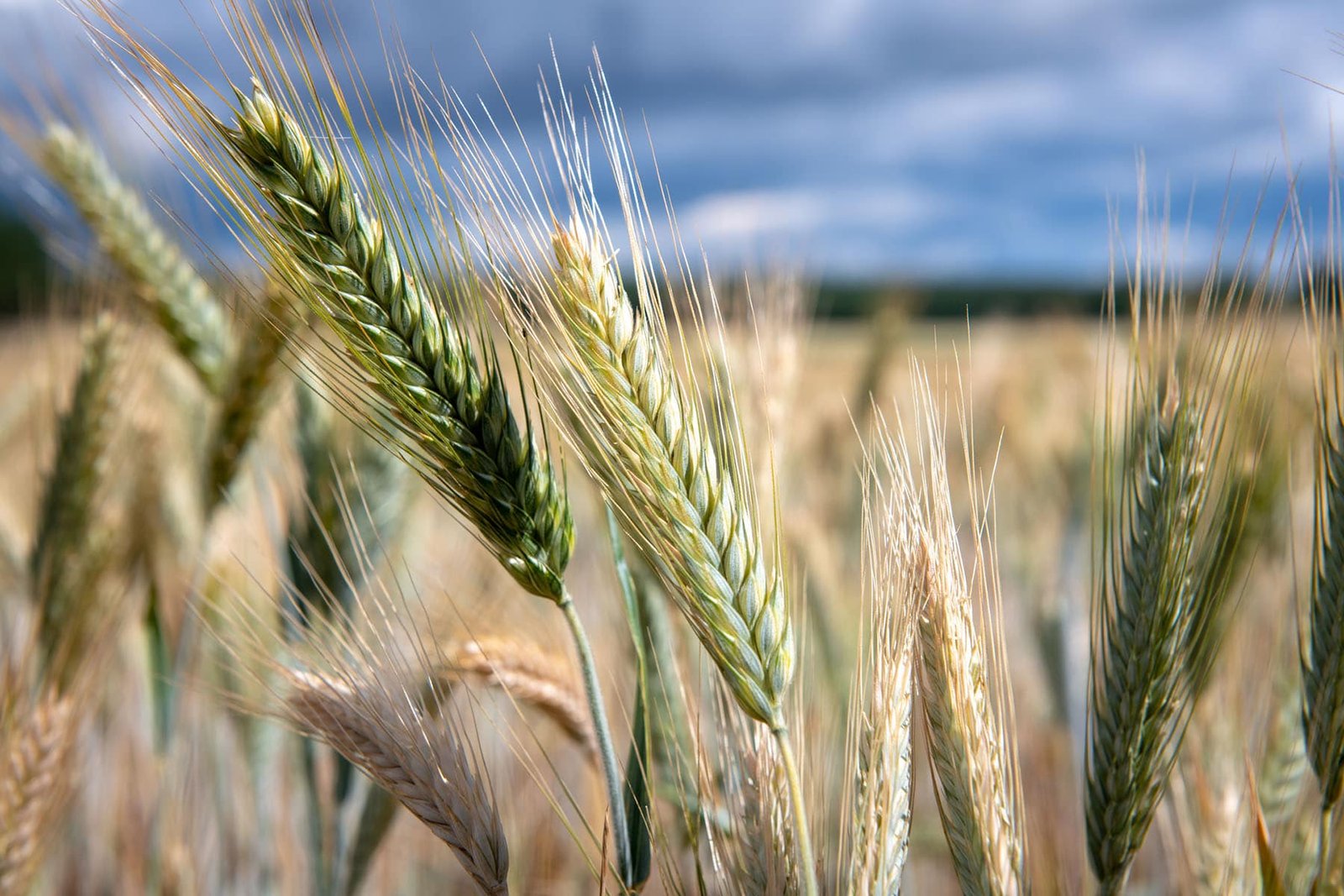
One of the most unusually joyful rituals in modern Jewish life is called the counting of the Omer. Historically, we count our daily journey from the second night of the Seder to the next holiday, Shavuot, the holy time of receiving the Torah on Mount Sinai. Originally an agricultural holiday, when wheat began to be collected in fixed weights of grain called omer, it became an offering to express gratitude for the harvest that supported the people physically. The rabbis moved toward more spiritual thinking, which led to Kabbalah, a mystical branch of Judaism, and turned it into practice, making each day an offering of the spirit.
This process recognizes that each of us is a metaphorical tree of life, rooted in the heavens, connected to G-d, and sprouting downwards to the earth, a place of compassion, discernment of boundaries, creation of harmony, and movement. It was an expression of the Kabbalah’s teaching of uttering seven expressions of the attributes of God. Through action, humility and self-control, fundamentals and relationships, and a grounded life. It may seem complicated at first glance, but there is one graph showing daily quality and weekly quality for each of the seven weeks leading up to the holidays. This is intended to help you reach a more enlightened and expanded consciousness, ready to receive the gift of His G-d teachings through the Torah.
There are a total of 10 locations on the tree’s body, each with a name that represents a quality or characteristic that we all have. The goal is to keep them in balance and to maintain a beautiful harmony with each other, but due to our inherent lack of perfection as human beings, we are forced to reflect on who we are, how we act, and how we behave. We are always striving to increase our knowledge of how it can be done. You’ll get better at it. This period between Passover and Shavuot uses skills and tools from meditation to therapy to look deeper into our inner mental and spiritual workings, leading to greater accomplishments, deeper commitments, and more. A satisfying relationship with loved ones, friends and G-d.
In this chart, there are three locations in the head, all associated with consciousness, wisdom, knowledge, and spiritual awareness. There are seven locations of Him from the neck down and they are all part of our physical and emotional being. Each of these seven represents one of the weeks from Passover to Shavuot, and each day represents the relationship between one of his seven and the quality of that week. Through its temporary emphasis, Judaism is an opportunity to learn and strengthen all that fosters goodness, something the world needs now and our mission to be a light to the nations and help grow justice. It will help you fulfill your goals.
Abraham Joshua Heschel teaches that when we pray, our goal is to be destructive, to break down injustice and oppression in the world. In Judaism, prayer is a form of self-discovery, and the work of self-knowledge is not ego-driven, but helps save the world through acts of kindness, compassion, and support for others. Our daily efforts to emanate divine attributes are an expression of strength, courage, and tzedek, or righteousness. The more we align our tree, which is rooted in the heavenly desire for good, with its earthly expression through action, the more we are connected to the immanent divine presence, called the shechinah, and the transcendent divine presence, the kadosh. – Baruch Hu, the sacred divine couple connects and a connection and feeling is created. Wholeness throughout the world.
Our fruit is the potential for transformation within each of us, and that seed can flow to others and enrich their lives as well.
The Hebrew word for number also shows this. Counting his seven days out of seven weeks, from day one to his forty-ninth day, we tell the story through the arc of his life, from his deliverance in Egypt to his revelation at Sinai. We connect with our ancestors. Their notable offerings were the very work of their hands and the gathering of their harvest. Centuries later, we reflect on more ephemeral works that reverberate across time and space and lift us all to a higher level of consciousness. Our fruit may not be the product of the soil, but it is the potential for each of us to transform, and that seed can flow to others and enrich their lives as well.
Eva Robbins He is a rabbi, cantor, artist, and author of Spiritual Surgery: A Journey to Heal Mind, Body, and Spirit.
