

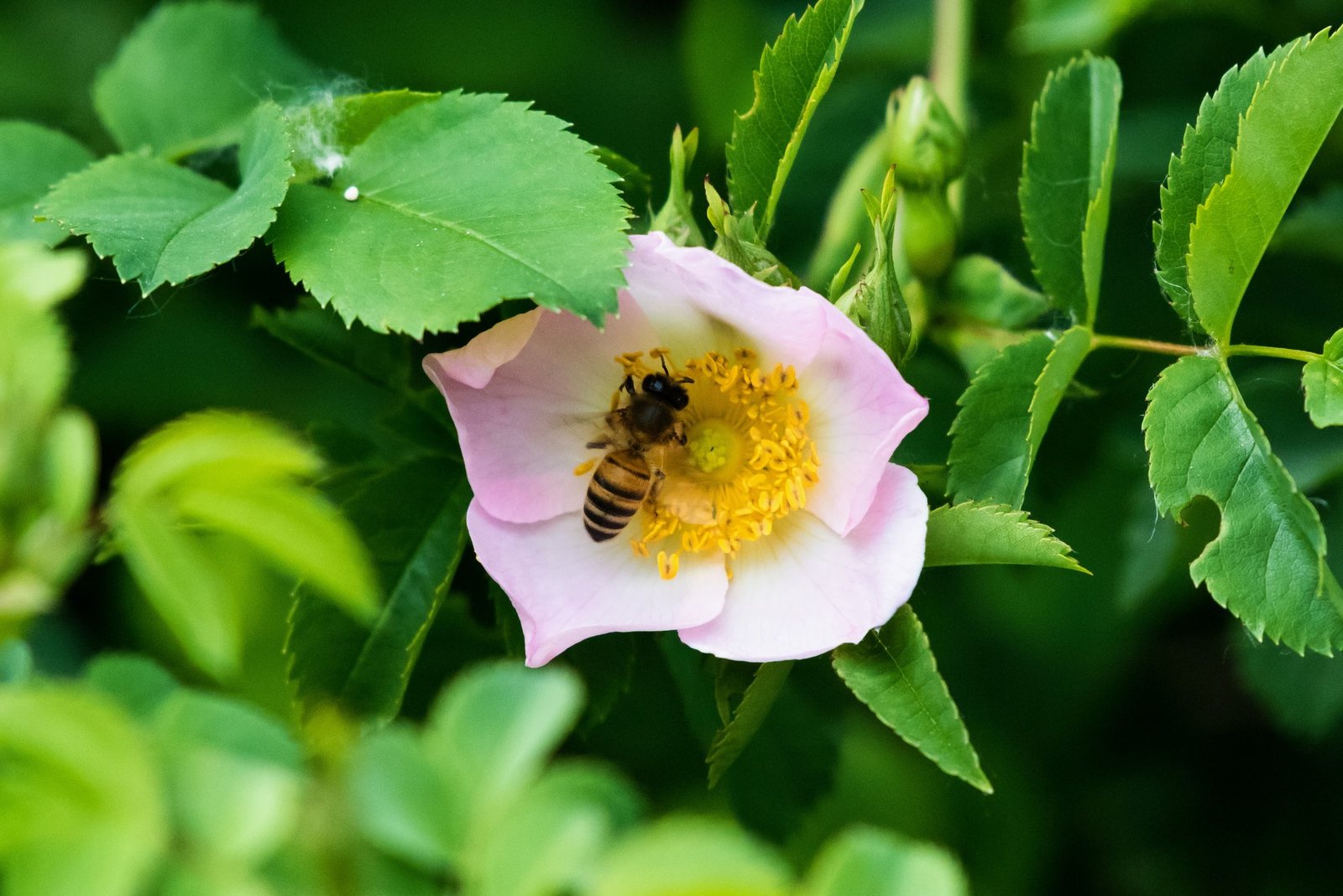
Honeybees, the unsung heroes of our agricultural system, are facing a food crisis. As important pollinators, they fuel our food supply, but human-induced changes to the environment have left their foraging options limited and often unhealthy. New research sheds light on the specific nutritional needs of honeybees and the plants that can provide them with a balanced diet.
Topics on honeybee nutrition
Like humans, honeybees need a balanced diet to survive. Although they get their energy from nectar, pollen is their main source of protein, lipids and other essential nutrients. But not all pollen is the same.
“Despite public interest and increased planting of pollinator plants, little is known about which plant species are best for honeybee health,” said Dr Sandra Lehan from York University, lead author of the study.
A research team led by Dr. Lehan analyzed the nutritional value of pollen from 57 plants commonly found in North America. They focused on two key components of honeybee nutrition: non-esterified fatty acids (such as omega-6 and omega-3) and essential amino acids.
Plant-Based Fuel for Bee Health
Fatty acids play a vital role in the overall health and well-being of honeybees: these essential nutrients are the building blocks of cell membranes and contribute to a strong immune system that protects bees from disease and parasites.
In addition, fatty acids act as an energy source, boosting the activity of honeybees and increasing their lifespan. However, maintaining a proper balance of fatty acids is very important, as an imbalance can interfere with various physiological processes in honeybees.
For example, insufficient levels of omega-3 fatty acids can impair honeybees’ cognitive function, effectively reducing their ability to learn, navigate, and communicate.
Conversely, excessive intake of omega-6 fatty acids can cause inflammation and oxidative stress, which can lead to a variety of health problems and shorten lifespan.
Amino Acids: The Building Blocks of Bee Life
Essential amino acids are the basic building blocks of proteins and are essential for various physiological processes in honeybees.
In the area of cognitive function, these amino acids support the development and maintenance of the nervous system, promoting learning, memory and decision-making abilities in honeybees.
Additionally, honeybees play a vital role in reproduction, contributing to the production of eggs and sperm and the overall development of honeybee larvae.
However, while essential amino acids are important, excessive intake can have adverse effects: an excess of these amino acids can create a more favorable environment for parasites in the bees’ bodies.
This can make bees more susceptible to parasitic infections, leading to health problems and poor overall health.
A diverse, plant-based diet is key
Research has found that no single plant species provides the optimal nutritional balance for honeybees, who must forage across a variety of plants to get the right combination of fatty acids and amino acids.
“There are potential trade-offs between fatty acid and amino acid content within pollen, suggesting that a diverse floral diet may benefit bees more than a single pollen source,” Dr. Lehan explained. “No single plant species is optimal for general wild honeybee health.”
Best plants for bees
Diversity is important, and the study identified several plant families that are especially nutritious for bees, including roses, clover, red raspberries and tall buttercups.
“Based on the ideal protein to lipid ratios for wild bee nutrition, we recommend that wildflower restoration projects focus on rose, clover, red raspberry and tall buttercup pollen species,” Dr Lehan said.
Conservation impacts
This research has important implications for honeybee conservation efforts: understanding the specific nutritional needs of honeybees can help build more effective pollinator gardens and habitat restoration projects.
“We hope this research will help with choosing flowering plants in gardens for pollinators,” Dr Rehan said.
The study also highlights the importance of maintaining native plant diversity. Although the study did not find significant nutritional differences between native and non-native plant species, maintaining a diversity of native plants ensures a wide range of bees, including specialist species, have access to the specific pollen they need.
Research on honeybee nutrition and plants
This study is just the beginning of our understanding of honeybee nutrition: there are thousands of plant species yet to be analyzed, and there is still much to learn about the complex relationship between bees and their floral food sources.
“We hope this will inspire similar studies in the future, and follow-up studies on the preferences and survival of bees with different diets,” Dr Lehan said.
As we continue to explore the complex world of honeybee nutrition, one thing is clear: a diverse, balanced diet is essential to the health and well-being of these important pollinators.
By creating a wide variety of floral options, we can ensure that bees remain active, thrive, and continue to play a vital role in our ecosystems and food systems.
The study has been published in the journal The Frontier of Sustainable Food Systems.
—–
Liked this article? Subscribe to our newsletter for more fascinating articles, exclusive content and updates.
Check it out with EarthSnap, a free app brought to you by Eric Ralls and Earth.com.
—–
