

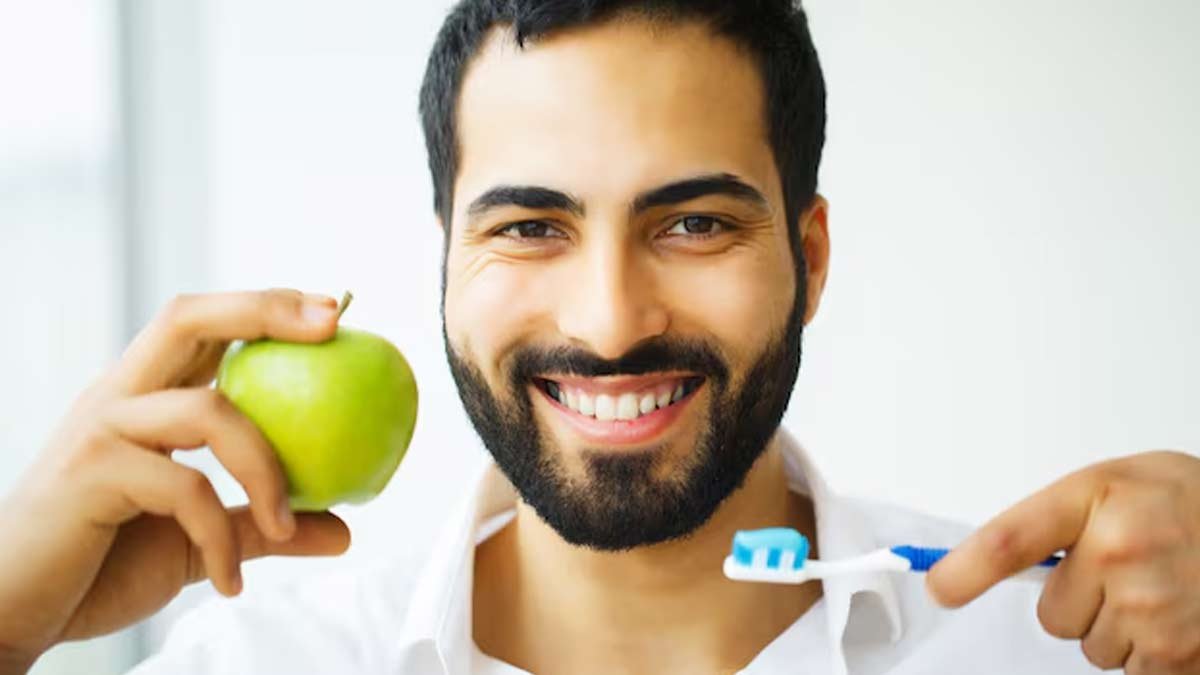
Many people don’t realize that oral health involves more than just brushing and flossing. What you eat also plays a key role in supporting your teeth and preventing oral diseases like cavities, periodontal disease, tooth loss, and oral cancer. Therefore, it’s crucial to understand that true health depends on a healthy mouth, and proper nutrition is a great way to do that.
In my interactions with the OnlyMyHealth team, Dr. P. Parthasarathy Reddy, Founder Chairman, FMS Dental Clinic He stressed that there is an “inseparable two-way relationship” between nutrition and oral health: “Malnutrition can negatively affect oral health by weakening the immune system and increasing susceptibility to oral infections,” he said.
Read also: Canker Sores May Be a Sign of Vitamin B12 Deficiency: Other Oral Signs to Watch Out For
Moreover, malnutrition can also manifest in the form of glossitis, angular cheilitis and stomatitis, which are observed as sores throughout an individual’s mouth, he added.
Furthermore, doctors pointed out that poor oral hygiene can limit dietary intake and lead to poor nutrition, creating a vicious cycle.
Signs of optimal oral health
Before we delve into the role of nutrition in oral health, let’s look at what distinguishes a healthy mouth from an unhealthy one. A healthy mouth is typically characterized by the following:
- It is painless, odorless, and moistened by saliva.
- Gums that do not bleed while brushing or eating hard foods.
- There are no untreated cavities.
- Teeth that do not move and are firmly attached to the gums.
- There are no tumors, ulcers, or abnormal color changes in the gums or mucous membranes of the mouth.
On the other hand, an unhealthy mouth can lead to a bad odor, increased susceptibility to infections, gum disease, toothaches, and tooth loss, as well as sore and bleeding gums.
Foods to eat and avoid to maintain oral health
To maintain oral health, Dr Reddy recommends adequate intake of calcium- and phosphorus-rich foods, including dairy products like milk, cheese and yogurt, and vegetables like spinach, okra and ragi.
Along with calcium, vitamin D also plays a very important role in forming and rebuilding the jawbone, the doctor said, adding that people should consume foods that contain vitamin D such as fish, eggs and mushrooms for bone health.
Read also: Poor oral hygiene alone does not cause periodontal disease. Other causes to consider
You should also be aware of foods that are bad for your oral health. These include:
- Sugars such as sucrose, fructose, glucose and lactose are fermented by bacteria in the mouth, releasing acids that strip teeth of minerals and lead to cavities. Dr Reddy says consuming large amounts of sugar in ultra-processed foods multiple times a day can have a negative impact on dental health.
- Acidic foods and beverages such as soft drinks, fruit juices and vinegars, which contain citric, carbonated or other acids, can lower the pH level of saliva and launch an acid attack on your teeth. Dr Reddy says, “Occasional consumption of these beverages may not damage your teeth, but frequent consumption, prolonged contact time or leaving them in your mouth for long periods of time can dissolve tooth enamel – a condition known as dental erosion.”
Oral hygiene habits you should adopt
To maintain good oral health, the U.S. Centers for Disease Control and Prevention (CDC) recommends brushing your teeth thoroughly twice a day and flossing between your teeth to remove plaque.
Health organizations warn against consuming foods and drinks with added sugar as they contribute to oral diseases and other chronic illnesses.
Dr Reddy further said:
- Rinse your mouth thoroughly after eating to remove any food particles.
- Visit your dentist regularly, at least once a year.
- Make sure you eat a healthy and balanced diet.
- When snacking, avoid highly processed foods, limit how often you snack, avoid keeping food in your mouth for too long, and switch to healthier snacks.
[Disclaimer: This article contains information provided by an expert and is for informational purposes only. We advise you to consult your expert if you have any queries regarding oral health and hygiene.]
