

The Easter readings constantly draw attention to our union with the Risen Christ and its meaning. This week we reflect on John’s rich metaphors about the vine and the branches, which are part of Jesus’ “last talk” (John 14-17).
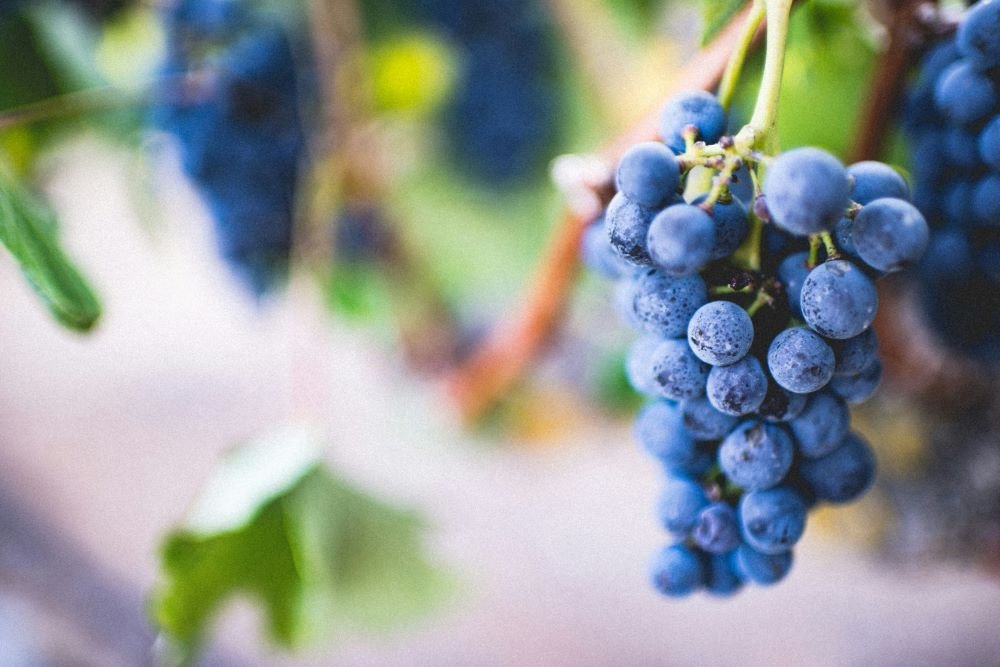
Everyone who was at the table with Jesus knew a lot about the vine. For those who have never wandered through a vineyard, grapes grow from branches that sprout from the main vine (trunk). The branches feed the grape clusters. Obviously, all small vines rely on nutrition from the trunk. Jesus’ metaphor expresses his desire to be a source of life and growth for those who remain in him. What is often overlooked is that when Jesus says that his father is the master of the vineyard, he is describing God as a humble worker rather than the master of the estate; It depicts them as constantly working while taking care of the fruit.
To emphasize his image of the vine, Jesus goes on to exhort his disciples to “abide in me, as I am in you.” This represents the mutual love that he and his disciples share, a love that sustains their lives and creates the most intimate relationship possible between them all.
John’s first epistle interprets union with Christ with the words, “We believe in the name of Christ.” As we saw last week with Peter, believing in the name of Jesus is not an intellectual or even primarily emotional thing. Those who believe in the name of Jesus take the faith of Jesus as their own. They believe in him and through him share a relationship with God and all creation.
All this remains a theory, and intelligent knowledge has little effect on our limbs. The Acts of the Apostles gives energy and concreteness to this idea through the example of Barnabas.
When Saul became a believer, many of his disciples had doubts. Knowing how dangerous he was, why didn’t they suspect his visit was a hoax? They had good reason to be afraid. But somehow Barnabas saw something different.
Did they share some history? Like Saul (Paul), Barnabas was not among the apostles named in the Gospels. Later, when the title “Apostle” no longer symbolized the new Israel, it came to refer to those who were given the commission and grace to proclaim the gospel in deeds and words. This broad understanding of the apostolate included a variety of people, including at least one woman, Junia (Romans 16:7).
Luke praised Barnabas as a member of the ideal community described at Acts 4:32-37. He explained that his real name was Joseph, but the community called him Barnabas, “Son of Encouragement.” Without going into the details we might expect, Luke says that Barnabas, as his name suggests, “took on” Saul, vouched for him, and then accompanied him on his missionary journey.
Did Barnabas teach Paul the sense of Christ living within him and the infinite expanse of the body of Christ? For Barnabas, a life in Christ seemed to mean that his inner motivations spring from union with Christ. He didn’t need any orders. He was driven by natural and graceful impulses.
Recently, one of my Peruvian sisters, Yori, told me about the women in her neighborhood who continue to organize this gathering. Olas Comunes, an outdoor makeshift kitchen where women cook donated food for themselves and others who need it. I asked if the women understood this as an expression of faith. She said, “I don’t think they consider it a faith. It’s just their reaction to a situation where there is a common need.”
Women who cook for their neighborhoods imbibe communal culture. They don’t need rules or theories to say they should look out for their neighbors, they just do it. One woman said to me: She says, “When you know what it’s like to be hungry, you don’t wish it on anyone.” I saw a similar scene last year among drug addicts living in Philadelphia’s park neighborhoods. As we shared water and sandwiches, those who remained alert made sure to ask for something from others unable to communicate in their improvised tents. They felt their need.
Easter Sunday celebrates the resurrection and union with God that Christ always offers, whether we realize it or not. Whether it’s out of faith in Christ or a natural impulse to love, people like Barnabas, women, and the addicts I’ve met are part of the fruit of Jesus’ vine. They instinctively value the fact of sharing life with other people, and like God, our servant, they want everyone to flourish as much as possible. Doing it naturally is a response to grace that we all need to develop to a higher degree.
Let Barnabas encourage you.
