

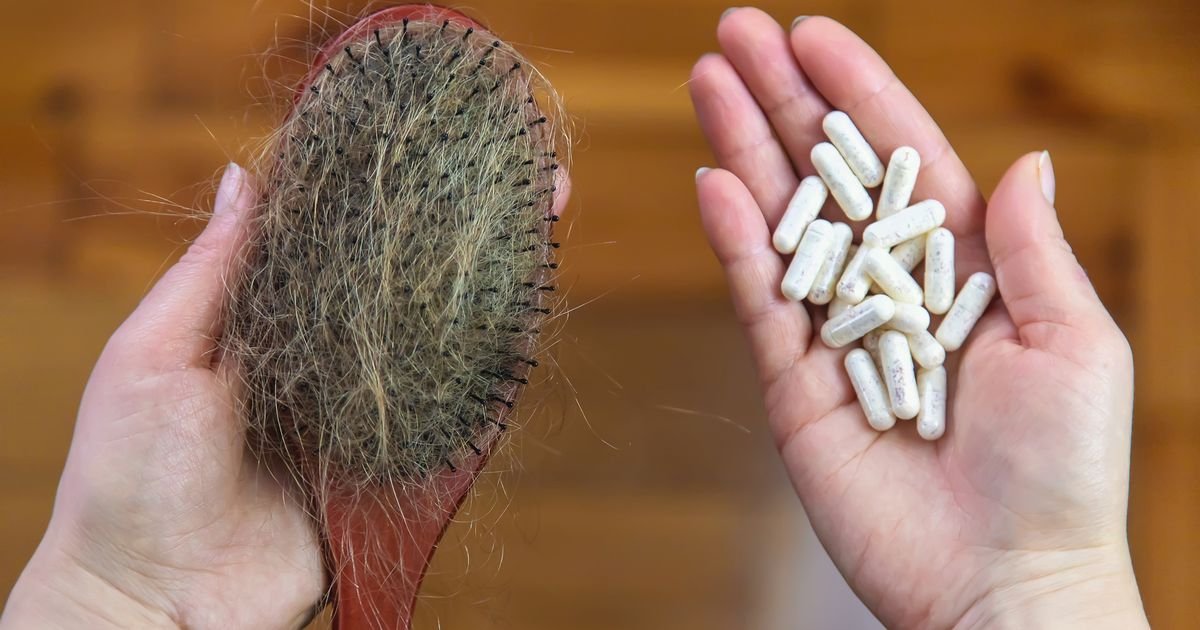
Vitamins and minerals are essential for a variety of bodily functions, including the growth of new cells such as hair follicles. A lack of vitamins necessary for healthy hair growth can cause hair to become dry and brittle, leading to hair loss.
Eating a nutritious diet and increasing your intake of various essential vitamins and minerals is the best way to promote hair growth. However, significant deficiencies in biotin, zinc, niacin, and iron can negatively affect hair growth and, in rare cases, cause hair loss.
Some studies have shown that these supplements can help improve hair quality and reduce hair loss. Poor hair health and hair loss can be caused by a variety of conditions and factors.
Hair loss is usually caused by genetics, hormones, medical conditions, and some medications. If you have any concerns, it’s best to talk to your doctor. But as the experts at Holland and Barrett report, if you want to increase the length, shine, and strength of your hair, these vitamins may help.
biotin
Certain B vitamins are thought to influence hair growth. This is because it helps carry oxygen to the cells of the scalp and stimulates the hair follicles.
Vitamin B7, also known as biotin, is particularly beneficial for hair health, but research on this is limited. However, one study documented that patients who took biotin supplements showed evidence of clinical improvement after administration.
Biotin, a vitamin that occurs naturally in the body, plays an important role in converting food into energy. This essential nutrient is thought to boost hair health, as deficiency can cause hair loss.
To get the right amount of biotin, you can include more nuts, eggs, legumes, meat, and green leafy vegetables in your diet. However, too much biotin in the body can cause serious side effects such as skin rashes, digestive problems, and potential damage to the kidneys.
protein
Hair is made of protein, so increasing your protein intake can promote hair growth. Research shows that keratin, the protein component of hair, is essential for normal healthy hair production, and amino acid intake can aid in keratin production.
Foods that contain essential amino acids include beef, chicken, fish, eggs, cottage cheese, broccoli, Greek yogurt, soybeans, quinoa, oats, and buckwheat.
vitamin A
Vitamin A can do wonders for dull hair. In addition to stimulating cell growth, it also has the power to encourage the pores of your scalp to produce more oil.
This increased oil production can effectively moisturize your hair and give it a beautiful shine. The secret lies in the production of sebum, an oily substance that plays an important role in maintaining the health of your hair and scalp.
Foods rich in vitamin A include eggs, cod liver oil, sweet potatoes, carrots, and green leafy vegetables.
zinc
Zinc serves a variety of purposes in the body, including helping tissue growth and regulating oil glands in the scalp. Ensuring sufficient sebum production keeps your hair and scalp moisturized. You can increase your zinc intake by adding spinach, lentils, and pumpkin seeds to your diet.
vitamin E
Another nutrient that has been shown to support cell regeneration is vitamin E. Vitamin E helps repair tissue, especially in the scalp. In one study, volunteers suffering from hair loss who took the supplement in a trial showed an increase in the number of hairs.
Vitamin E also reduces scalp problems such as dandruff. You can increase your vitamin E intake by including more almonds, avocados, and sunflower seeds in your diet.
iron
Iron plays an important role in various functions of the body and is an essential mineral. One of its important functions is to help red blood cells carry oxygen to cells, including hair roots.
To ensure optimal iron absorption, try to consume more foods rich in this mineral. Insufficient iron intake can lead to fatigue, fatigue, and in severe cases, anemia.
There are many iron-rich foods to add to your diet, including eggs, chickpeas, nuts, seeds, brown rice, baked beans, lentils, spinach, broccoli, tofu, and dried fruit.
Always consult your doctor before making any drastic changes to your diet or lifestyle to determine if there are other causes for your hair loss.
