

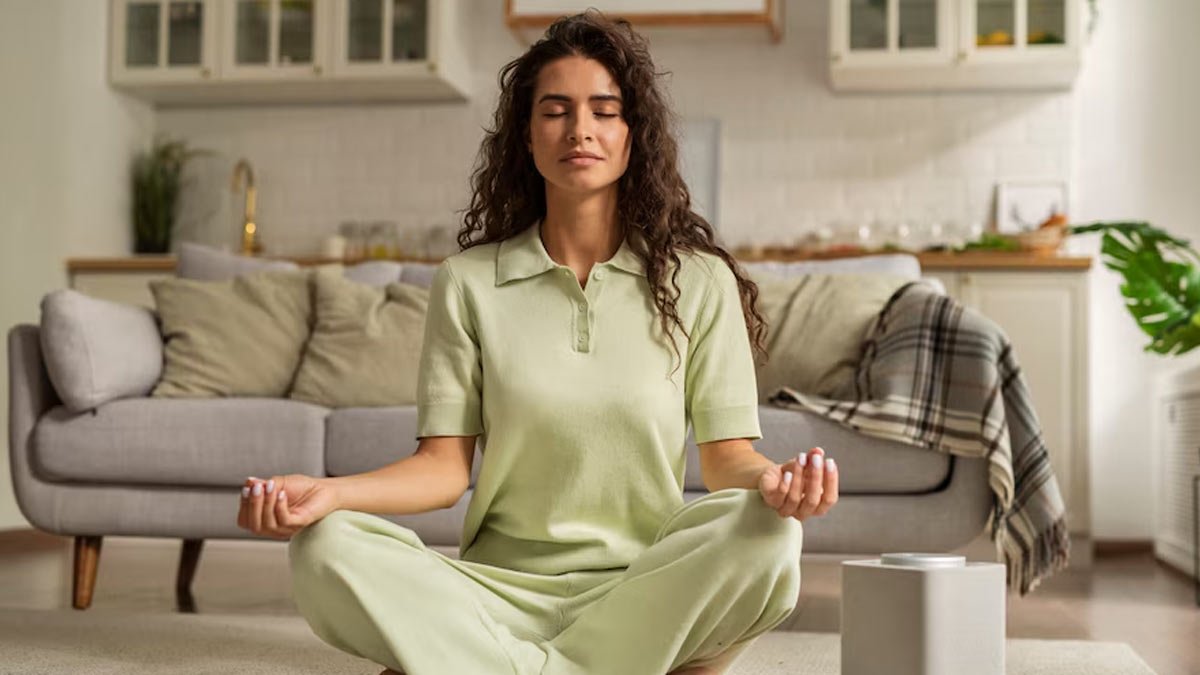
Sleep problems are increasingly common in today’s busy world, affecting millions of people. Increased levels of stress and anxiety can make it difficult to get enough sleep. But meditation, a solution deeply rooted in India’s rich traditions, offers a simple and effective treatment for these sleep problems.This World Meditation Day, we spoke to experts Raman Mittal, Co-Founder, Idanim, Meditation Teacher, This is the person who explained how meditation can be used to manage sleep issues.
What is insomnia?
“Insomnia means difficulty falling asleep, staying asleep, and having restful sleep. Stress, worry, and a restless mind often cause insomnia,” Mittal said.
According to the Journal of Family Medicine and Primary Care (IFPMC), various studies conducted around the world show that 10-30% of the population suffers from insomnia, with some reporting rates as high as 50-60%. has been shown to reach. It is especially prevalent among older adults, women, and people with medical or mental health conditions.
Also read: Arizona Mental Health: Experts explain insomnia, its causes, diagnosis, and treatment
The role of meditation in managing sleep problems
When your thoughts become busy or your body becomes tense, it can be difficult to fall asleep. In these cases, meditation can help calm your mind and relax your body.
“Meditation helps reduce stress and anxiety, which are major sleep disruptors, and ultimately calms the mind. Meditation allows you to focus on the present moment and let go of worries about the past or future. This calms our heart, reduces stress hormones and makes it easier to sleep,” Mittal emphasized.
Steps to start meditating for better sleep
Here are simple steps to use meditation for a good night’s sleep.
- Create a peaceful space: Find a quiet place where you won’t be disturbed. Dim the lights and get comfortable sitting or lying down.
- Choose a meditation technique: You can try different techniques such as:
Body scan meditation: This habit promotes better sleep by redirecting your attention from worrying thoughts to your body. Attention is focused on perceiving the sensations rather than trying to change the sensations in any part of the body. Starting at your head and working your way to your toes, you’ll notice sensations such as heaviness, tension, tingling, temperature, and tightness.
Visualization: This can be a powerful way to promote better sleep and relaxation. The act of imagining a peaceful landscape, such as a quiet beach or a tranquil forest, can induce a trance state similar to hypnosis.
Breathing meditation: It takes advantage of the close connection between you and your breath. Consciously slowing down or lengthening your breathing can effectively calm your body and encourage relaxation. - Set a recurring time: Meditate at the same time every night, preferably before bed. This will help train your body and mind that it’s time to relax.
easy sleep meditation exercises
Here are some basic meditations you can do every night:
- Lie down on the bed and close your eyes. Take a few deep breaths.
- Then inhale for a count of 4, hold your breath for a count of 7, and exhale for a count of 8. This intentional lengthening of your breath triggers your body’s relaxation response, promoting a peaceful state suitable for restful sleep.
- Repeat this 4-7-8 breathing meditation as a calming meditation before bed. If you fall asleep during meditation, that’s a good sign. It means your body is responding well to relaxation.
Benefits of sleep meditation
Regular meditation has many benefits. Here’s what Mittal listed:
- Better sleep: You may be able to fall asleep faster and sleep more soundly.
- Reduce stress and anxiety: A calm mind improves the quality of your sleep.
- Improved health: Good sleep supports a healthy body and mind.
conclusion
Mittal says, “Adding meditation to your nightly routine will significantly improve your sleep. Be consistent and patient. It may take some time, but you’ll see results quickly. Remember that meditation is a gift from our ancient tradition and helps us live a healthier and happier life. Sweet dreams and happy meditation.”
[Disclaimer: This article contains information provided by an expert and is for informational purposes only. Hence, we advise you to consult your expert if you are dealing with any sleep issues to get the necessary treatment.]
