

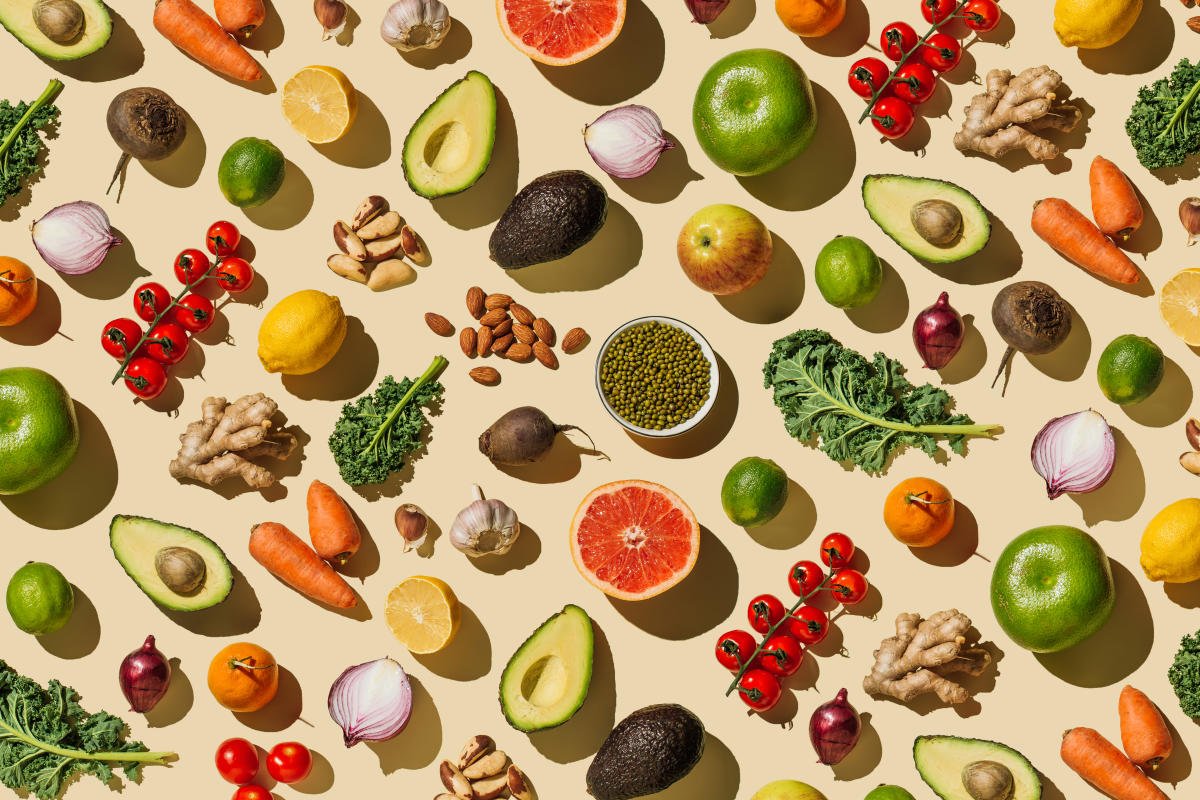
We are what we eat. This isn’t just a cute catchphrase. What we put into our bodies affects our health and longevity. The Nutrition 2024 conference, hosted by the American Academy of Nutrition, presented the latest research on food. Here’s what we found. Add Baby Carrots to your shopping cart now.
🥕 Eating carrots is good for your health
Here’s another reason to pack some carrots and hummus in your lunch bag: Eating baby carrots three times a week significantly increases carotenoids in your skin. These phytonutrients, which are responsible for the vibrant color of carrots and other vegetables, have been linked to many health benefits, including improved skin and stronger immune function.
🍽️ Eating Healthy in Your 40s Can Help You Age Better…
People who start eating healthy foods in their 40s are 43% to 84% more likely to maintain their physical, mental and cognitive health as they age. Researchers found that eating more fruits, vegetables, whole grains and healthy fats is key, so if you’re looking to change your diet, focus on these foods no matter your age.
🥬 …But Eating Healthy from a Young Age Might Be the Best Choice
To top your Wordle every morning, think about what’s on your daily menu. Eating a healthy diet from youth through middle age can help keep your brain sharp. British researchers found that people who eat a high-quality diet that includes fruits, vegetables and whole grains have better cognitive performance and a lower risk of dementia.
🍞 Why Whole Grains are Best
You’ve probably heard that whole grains are better for you than refined grains, but do you know why? Whole grains are actually more nutritious. Whole grains retain significantly more nutrients than refined grains, which lose 50%-80% of key minerals during processing. Looking for the most nutritious options when it comes to grains? Choose whole grains like whole wheat flour, quinoa, barley and farro.
🧁 Eating ultra-processed foods increases risk of death…
Ultra-processed foods are heavily processed and usually contain excess oils, fats, and sugars, which means they generally have much less nutritional value than less-processed foods. (Think packaged cakes, cookies, and brightly colored cheese snacks.) The study looked at data from more than 500,000 Americans over the past 30 years and found that people who ate more of these ultra-processed foods were 10% more likely to die than those who ate less of them. The worst foods? Processed meats (such as hot dogs and sausages, which are classified as carcinogens by the World Health Organization) and soft drinks were the ones with the strongest associations with increased risk of death.
🥫 …But Processed Foods Aren’t All Bad
Now, the other side.
While having too many ultra-processed foods in your diet increases your risk of death, the researchers presenting at the conference also looked at whether eating minimally processed foods alone might not be enough. To show this, the researchers compared two typical Western menus – one that focused on minimally processed foods and the other that focused on ultra-processed foods – and found that the less processed menu was more than twice as expensive, had a shorter shelf life, and was less nutritious.
Confused? It’s actually quite simple: Researchers noted that certain foods that are considered “ultra-processed,” like liquid egg whites, raisins, and unsweetened applesauce, may actually contain many healthy ingredients despite their classification. So, while cakes and cookies should be avoided (for the most part), it’s perfectly fine for certain processed foods to remain on your plate.
