


If I were to ask you to tell me about acupuncture, I might start by commenting on the ancient Chinese traditional treatment method. For those of us who grew up in Western society, acupuncture seems strange at first.
When we try to learn more about acupuncture, we usually come across explanations of mysterious meridians and other concepts thought to be related to acupuncture. Meridians are invisible energy channels that run throughout the body and are said to carry the life force called Qi (pronounced “chee”). This qi is considered in traditional Chinese medicine to be an essential life force that is responsible for most activities that occur within our bodies to sustain life.
I have been studying acupuncture for over 40 years. I have traveled to hear from many experts, read dozens of highly acclaimed books, taught courses, and provided medical acupuncture to thousands of patients. There aren’t many aspects of acupuncture that I didn’t come across during my research.
Like anything else that is symbolic in nature, people tend to think that if they have seen anything about acupuncture, they are familiar with it and can make assumptions about it. You, like other readers, may think you know what acupuncture is and tend to make similar assumptions.
According to its simplest definition, acupuncture refers to the insertion of needles into the skin. “Acus” means “needle” in Latin, and “punctura” means “penetration” in Latin. This includes all definitions of acupuncture, which is the insertion of needles into the skin. According to this simple definition, every time a health care provider administers an injection or injection, they are performing acupuncture.
However, after 40 years of intensely studying a very wide variety of acupuncture treatments, I can say that acupuncture is a much broader term than most people imagine.
First, most people associate acupuncture with China, but history shows that acupuncture may have existed in Europe centuries before it was written about in ancient Chinese texts. It became clear. If you want to know more about this, search for the words “Otzi + acupuncture” on Google. A 5,000-year-old mummy found frozen and completely intact after death in the Italian Alps, and apparently You can read about evidence of treatments like acupuncture.
Second, there are several other forms and styles of acupuncture that are very different from the Chinese style. There are styles that have developed from different regions such as Korea, Japan, Europe, and America.
Anyone reading this column may be familiar with my use of the term “medical acupuncture.” I use this term to explain that the acupuncture treatments we use in my office are based on modern medical physiological principles. This means that my medical acupuncture treatments are based on science-based discoveries and proven evidence of how acupuncture works through the nervous system and subtle electrical pathways known to exist in the body. means.
This principle is also firmly based on the proven concept of chemical responses to acupuncture that influence healing responses, pain mediation, and immune system function.
There is nothing new age or mystical about our use of medical acupuncture. Basically, our medical acupuncture treatments are similar to other medical procedures performed in other modern clinics. It is a clinical procedure that uses small needles to painlessly penetrate the skin in order to achieve certain desired physiological effects that benefit healing, relieve pain, and improve the functioning of the human body. The effectiveness of this procedure is well established by numerous high-quality studies.
According to modern medical standards, our completely pain-free medical acupuncture treatment exceeds the safety profile of virtually any other medical treatment for similar conditions.
To further explain how medical acupuncture can be effective in treating severe painful conditions, consider the work of C. Chan Gunn, MD, anesthesiologist and professor of medicine. Dr. Gunn pioneered a special method of medical acupuncture called “Intramuscular Stimulation” (IMS). Specifically, Dr. Gunn developed his IMS, which is used to treat chronic pain.
As Dr. Gunn, a medical professional who uses drugs to treat pain, explains, typical treatments for chronic pain with drugs only temporarily mask the pain. His unique medical acupuncture treatments are proven to actually relieve chronic pain.
Dr. Gan published a medical study in which he successfully treated 50 cases of chronic elbow tendonitis without drugs or injections. In each case, Dr. Gunn used innovative medical acupuncture techniques to treat the cause of the pain and successfully treat painful elbows.
To understand how surprising this is, an anesthesiologist and medical school professor who is highly trained in how to use drugs to relieve pain uses a completely drug-free treatment. Please think that it is.
I have studied Dr. Gunn’s IMS technology and have used it with great success on many patients over the years. Like other proven medical acupuncture procedures, this technique can benefit a wide range of patients. It’s extremely safe, effective, and incredibly comfortable when used correctly.
Our advanced training in medical acupuncture has allowed us to successfully treat countless cases of persistent, chronic pain. Medical acupuncture should be considered for most types of chronic pain to reduce the use of opioid medications and avoid more invasive procedures.
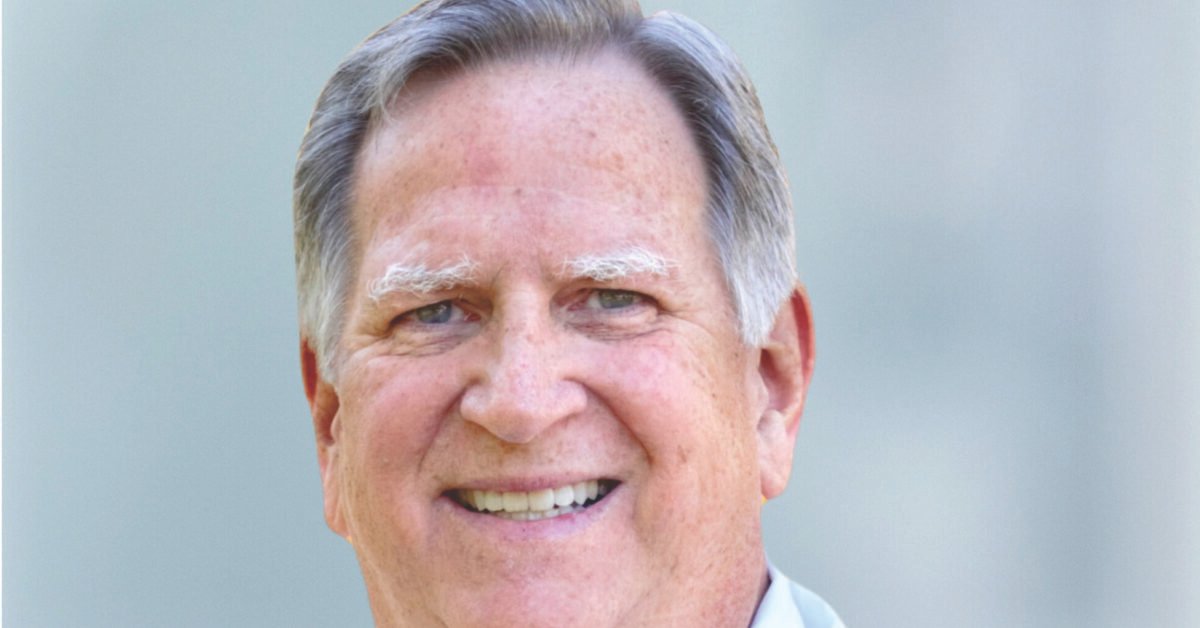
Dr. Mark Kaestner is a licensed chiropractic physician and acupuncturist with over 30 years of experience primarily focused on treating complex and chronic spinal, joint, and neurological conditions in Murfreesboro . His office is located at 1435 NW Broad St. Contact details are as follows: mkestner@DrKestner.com.
