

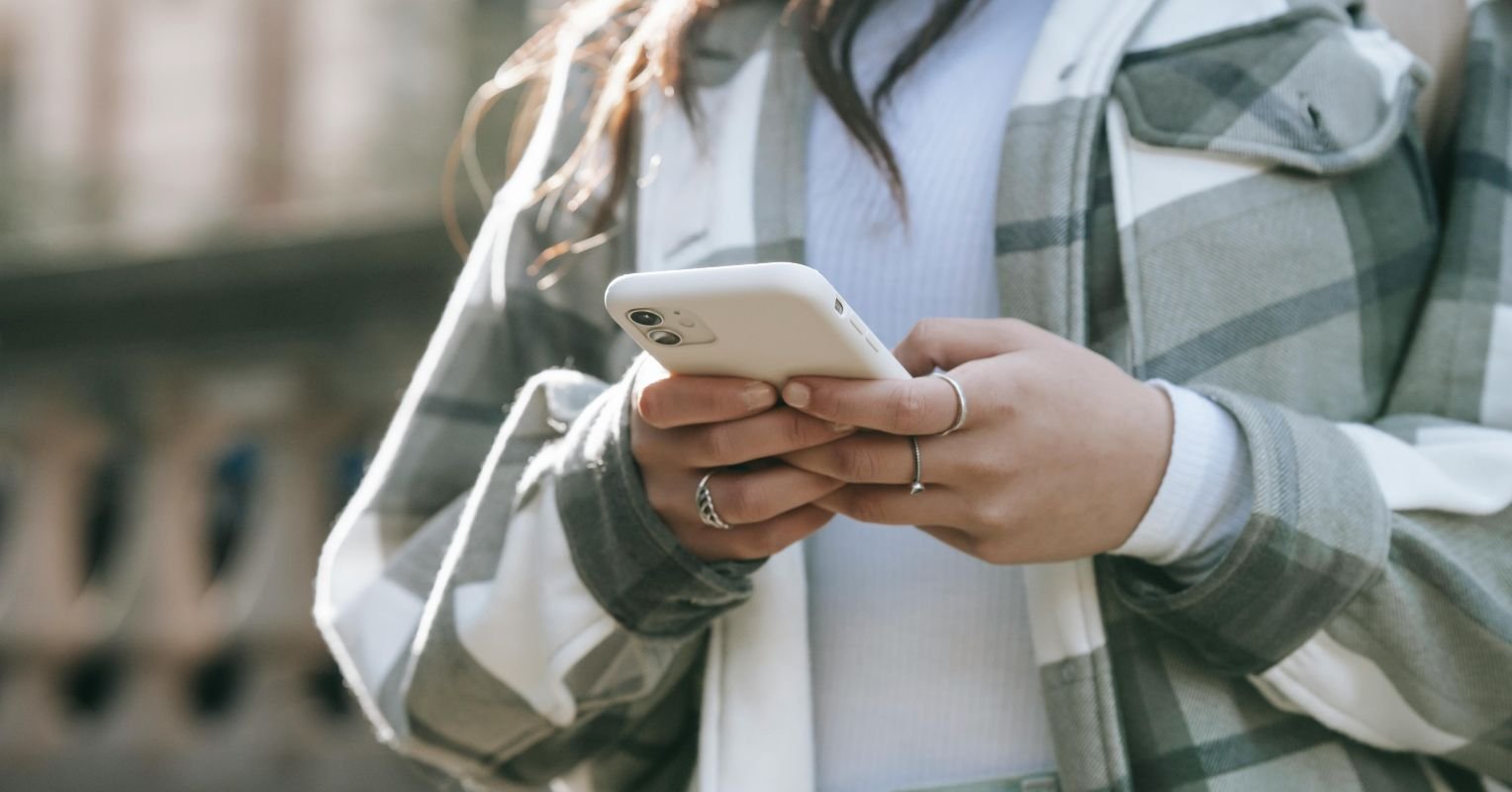
Taking a 3-7 day break from social media can reduce stress, anxiety, and depression.
Social media use can lead to self-criticism.
Charlotte May / Pexels
My friend Allie, a woman in her 20s, described an interesting emotional shift in how she uses Instagram. As she scrolled, she found some inspirational posts, but after a while she realized that spending time on the app “depressed her mood.” Allie decided to delete her Instagram for a month. She recalls feeling “10 times better” during that month.
I was interested. Was Allie’s experience typical? Is there any research evidence that people feel significantly better when they take a break from social media?
Research shows social media breaks can benefit mental health
In a 2022 study, 154 participants (average age 29.6 years) were asked whether they would stop using social media (Facebook, Instagram, Twitter, TikTok) for a week or continue using it as usual. The group who quit social media had significantly less anxiety and depression and an increased sense of well-being.
For college students, one study with 555 participants showed that taking a one-week break from social media significantly reduced stress levels, especially among those who use social media excessively.
A 2022 research study of girls ages 10 to 19 found that taking a three-day break from social media made them feel less self-monitored (e.g., worrying about whether their clothes fit properly). ) was demonstrated to significantly reduce body shame and increase self-compassion.
Why social media breaks promote mental health
Using social media can make us more likely to compare ourselves to others, which can lead to appearance comparisons, career dissatisfaction, and feelings of envy. One reason why reducing social media use improves your mental health has to do with self-criticism. Social media use can increase self-criticism, a common mental habit associated with many mental health issues such as anxiety, depression, drug use, eating disorders, and self-harm.
Strategies to reduce social media use
Both “software” and “hardware” strategies can help people manage their social media use. For example, one “software” approach is to delete apps on your phone but leave them on your laptop or desktop computer. Similarly, switching your phone to grayscale can reduce usage.
A hardware approach is to either keep your phone away from your body (for example, in a specific spot in your house like old cell phones), or try a flip phone for a month instead of putting it in your pocket. You can think of things like looking at it.
I find that when I have social media apps on my phone, I end up checking them multiple times a day and spending more time on them than I probably expected. I decided to remove access to these accounts from my phone and only have access to them from my laptop. I still check my account a few times a week, but much less frequently than if it were on my phone. If you have multiple devices, this option may reduce your social media usage.
I was also lucky enough to attend a meditation retreat where I turned off my phone (and laptop) for 8 days (shorter retreats are also available). My family had the meditation center number in case they needed to contact me. Sometimes I felt that familiar pull to check my phone, but most of the time I was able to be in one place at a time and do one thing at a time without my mind feeling drawn into too much. It felt very liberating to be able to give myself permission to do this. different directions. Other people’s reports of stepping away from social media and smartphones also reflect several benefits, including more time for other activities and greater mental clarity.
Do you need a complete break?
Research shows that limiting social media use can actually improve happiness and productivity, with heavy users seeing the most noticeable benefits. In one study of 230 undergraduate students, participants who limited their social media use to 30 minutes a day for two weeks experienced significant reductions in depression, loneliness, anxiety, and fear of missing out. reported an increase in positive emotions.
Other studies have shown that reducing your smartphone (and possibly social media) use by one hour for a week improved your sense of well-being and life satisfaction, which was maintained four months later. Taken together, this evidence shows that reducing or taking a break from social media use has meaningful benefits that can be sustained over time.
References
Fall Harbor, ME, J.E. Lee, DA, Gentile (2023). The impact of self-monitoring limited social media use on psychological well-being. technology, mind, action, Four(2: Summer 2023). https://doi.org/10.1037/tmb0000111
Brailovskaia, J., Delveaux, J., John, J., Wicker, V., Noveski, A., Kim, S., Schillack, H., and Margraf, J. (2023). Finding the “sweet spot” for smartphone use: Reduce or abstain to increase happiness and a healthy lifestyle?! Experimental intervention study. Journal of Experimental Psychology.applied, 29(1), 149–161. https://doi.org/10.1037/xap0000430
Lambert, J., Barnstable, G., Minter, E., Cooper, J., and McEwan, D. (2022). Taking a week off from social media improves happiness, depression, and anxiety: A randomized controlled trial. Cyberpsychology, behavior, and social networking, twenty five(5), 287–293. https://doi.org/10.1089/cyber.2021.0324
https://www.wired.com/story/grayscale-ios-android-smartphone-addiction/
