

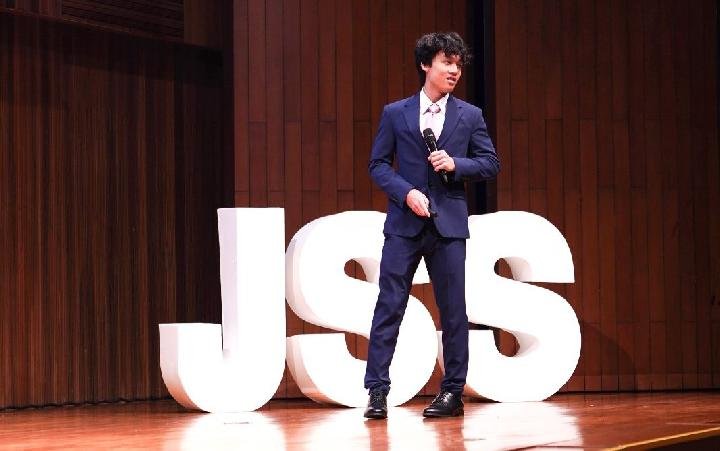
tempo, Jakarta – Excitement and anticipation buzzed at Soehanna Hall in the Energi Building as the Jakarta Scholar Symposium (JSS) got underway on the evening of Wednesday, May 29. Known for its dynamic and insightful presentations, the biannual event brought together some of Jakarta’s brightest young minds to showcase their innovative projects and share their vision for a better Indonesia.
JSS is a unique platform similar to TED but with a local feel, dedicated to giving Jakarta students a platform to showcase their passions, projects and the impact they are making. This year’s theme is centered around Indonesian innovation, with a focus on increasing the country’s economic competitiveness through creative solutions.
Among these inspiring presenters, Dilan Gunadi’s presentation stood out as he delved into the crucial link between educational attainment and nutrition in Indonesia. “Of 4.8 million births annually, 1.5 million babies are born with low birth weight,” he said. “One in five children under five is stunted, meaning they are too short for their age, and one in 12 is wasted, meaning they are too thin for their height.”
He then linked the two topics together, arguing that “malnutrition leads to poor brain development and poor academic performance, reducing the quality of the education children receive.”
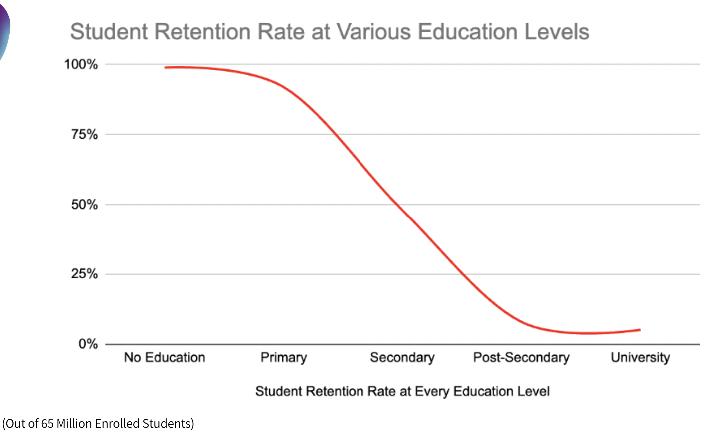
Figures highlighted in his presentation showed that repetition rates for Indonesia’s 65 million enrolled students have fallen from 90% in primary to less than 10% in post-secondary education. It was also stated that only 43% of Indonesia’s eighth graders have knowledge of integers and decimals, arithmetic, and basic graphs. In contrast, 99% of Singapore’s eighth graders have this knowledge. Thus, the amount of learning produced by Indonesia’s education system lags far behind that of neighboring countries such as Singapore.
Diran stressed the importance of providing proper nutrition to children to gain higher levels of education, stressing that a healthy diet is the foundation for cognitive development and academic success. He argued that improving children’s nutrition will significantly improve their educational outcomes, ultimately leading to the development of a skilled workforce that will drive Indonesia’s economic growth and prosperity.
Dylan’s presentation was not simply a call to action, but a well-researched argument backed by compelling data and examples. He painted a vivid picture of how better health and nutrition can pave the way for a better-educated and more productive future generation.
He presented data from a survey conducted by the World Food Programme (WFP) and said a subsidised balanced diet including rice, eggs and vegetables costs just Rp 2,500 a day, or less than Rp 80,000 a month. [diet] “This scheme itself can completely prevent stunting in children under two and fill a gap in the economy,” he said. The data also shows that the cost of subsidizing the same diet and nutritional standards varies depending on the age and gender of the household.
A notable highlight of the event was Dilan Gunadi mentioning his non-profit organization, Chaya Nusantara Infinity (CNI), which can be found on Instagram at @infinityministry_cni. Known as “Bimbingan belajar gratis,” the initiative has branches in BSD and Tangerang and has taught English and Math skills to over 100 children living in poverty free of charge. This reflects Dilan’s commitment to improving access and equity in education. Through CNI, Dilan and his team are providing valuable learning opportunities to underprivileged children, helping to close the education gap and foster a brighter future for all.

As the lights dimmed and the hall emptied, it was clear that the Jakarta Scholars Symposium had once again fulfilled its mission of uncovering the passion and insight of Jakarta’s young scholars. The ideas and innovations presented promise a brighter and more competitive future for Indonesia, driven by the creativity and dedication of young people.*)
Information Tempo
click here Get the latest Tempo news on Google News
