

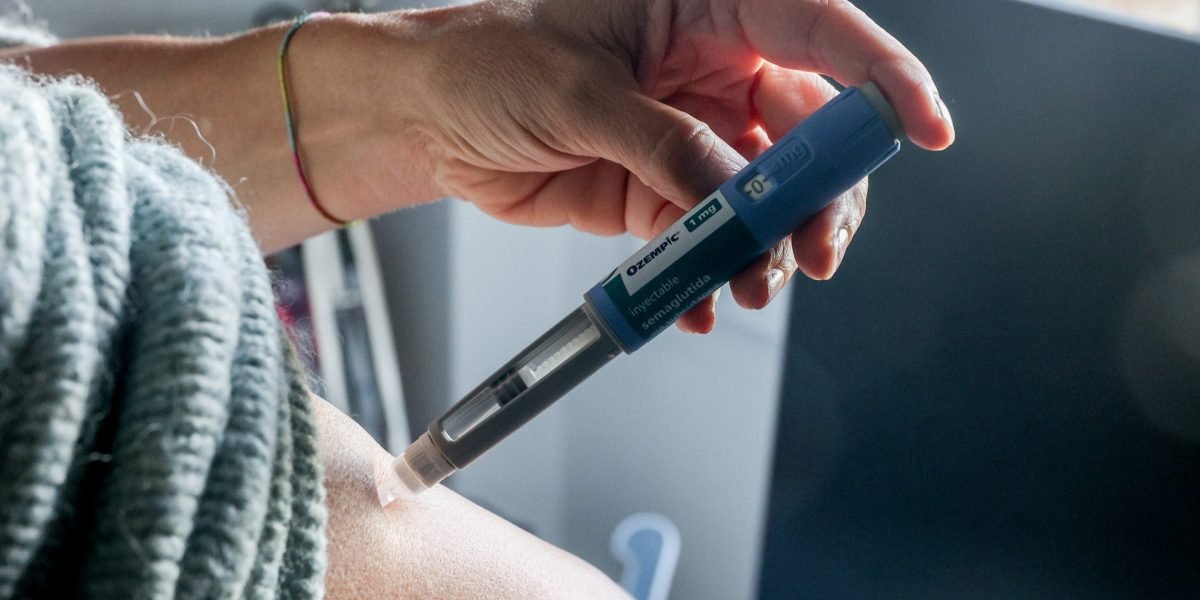
The so-called Ozempic revolution has wiped billions of dollars off the market capitalization of food and beverage companies, but the arrival of the new weight-loss drug is giving a boost to at least one product line that had been struggling with demand: yogurt.
France’s Danone says demand for its high-protein, low-calorie yogurt is soaring in the U.S., in part because of the obesity treatment epidemic, and U.S. regulators are helping by promoting the product, saying two servings a week can reduce the risk of diabetes.
“We have a very large selection of protein yogurts that sell out quickly,” Deputy Chief Executive Officer for Finance Jurgen Esser said in an interview. “We think these products will appeal to consumers who are undergoing GLP-1 therapy, as well as those simply looking to manage their weight and health.”
Danone isn’t explicitly marketing to users of GLP-1 drugs like Novo Nordisk’s Wegovy or Eli Lilly’s Zepbound—at least for now. But Swiss food giant Nestle is going a step further: This week it is launching a new Web site that will direct consumers to products, from protein powder to vitamins to combat hair loss, designed specifically for slimming injection recipients.
About 30 million Americans take GLP-1 drugs, triggering changes in consumption that have ripple effects in retail, travel and other sectors. By suppressing appetite, Lilly and Novo’s drugs can burn fat and improve heart health.
Food companies are betting that patients looking for nutritious, non-filling meals will turn to new packaged foods, vitamins and supplements to help offset some of the shunning of traditional profit mainstays like ice cream and chocolate bars.
Nestle plans to launch its “Vital Pursuit” food line this year, which includes 12 portioned frozen meals that are high in protein and fiber.
Patients are finding that cutting back on their food can lead to nutritional deficiencies and cause them to lose muscle along with fat, all while battling side effects like nausea and hair loss. Nestlé is seeking to address these needs with a new website that it claims will “complement your weight loss journey, even after you’ve stopped.”
Growth trends
The KitKat maker will sell products such as Nature’s Bounty-branded hair growth supplements, strawberry lemonade-flavored electrolyte tablets for people who want to increase their physical activity, and collagen peptides to improve skin elasticity and prevent the appearance of dimples known as “Ozempic face”. It will also offer nutritionist consultations.
Nestlé has the brands and expertise to support customers’ changing needs, including “maintaining muscle mass, managing digestive problems and ensuring adequate daily intake of micronutrients,” said Anna Mohr, chief executive officer of Nestlé Health Science.
Other companies are following suit: Daily Harvest is luring users of GLP-1 drugs like WeeGobee and Zepbound with broccoli and white bean soup and dragon fruit and lychee smoothies, while health-care company Abbott is offering nutritional shakes targeted at consumers on weight-loss treatments.
Conagra Brands Inc., maker of Chef Boyardee canned pasta, said at a February conference that it is increasing sales of products that cater to people taking weight-loss drugs. The company said its “healthy frozen meals” have increased 8% among GLP-1 users, and that its protein-packed meat snacks and low-calorie, high-fiber popcorn also fit the needs of users.
Nestle shares are down about 3.5% so far this year, while Danone shares have been little changed in that time. Both companies were up less than 1% as of Monday’s open.
