

Download image
Clemson University students are taking creative approaches to tackling the global problem of hidden hunger. It’s a cookbook featuring legume-based recipes aimed at combating nutritional deficiencies and obesity.
What exactly is “hidden hunger”? This is a widespread problem affecting billions of people around the world and is characterized by malnutrition, with even those who appear well-nourished becoming malnourished. This condition results from nutrient deficiencies, excesses, or imbalances and can affect people of all ages.
To address this issue, students in Clemson University’s Pulse Quality and Vegetative Breeding Program, led by Professor Dil Thavaraja, compiled Tiger Gardens: Pulse Cookbook. This online collection features affordable and nutritious legume crops such as beans, chickpeas, lentils, and peas, known as “poor man’s meat” due to their protein content and low cost.

Dylan Hazzard, a senior agribusiness major from Marshfield, Massachusetts, said the purpose of the cookbook is to provide information and educate people on how to prepare legumes.
“It’s important that people looking to change their eating and spending habits have access to this book in the easiest way possible,” Hazzard says. “By sharing these recipes, people can learn about pulses and spread the word about the benefits of eating them.”
This cookbook not only features student-submitted recipes, but also includes valuable nutritional information, cost per serving, and preparation details for each dish. A comprehensive guide aimed at encouraging healthier eating habits.
Students and their recipes
The recipes represent a variety of dishes. Jacob Johnson, a native of Conway, South Carolina, is a third-year plant and environmental science major with a concentration in agricultural biotechnology, taking Mexican and Mexican-American cuisine to a new level. His garbanzomol recipe is a healthier take on the classic guacamole dip.
“Garbanzomols are made with chickpeas to add richness and increase the nutritional level,” Johnson said. “You can eat it with potato chips or on top of classic dishes like tacos and burritos.”
In addition to the garbanzomol recipe, Johnson also offers recipes for chicken tortilla soup and smoky fried lentils. Mr. Hazzard shakes up the situation with his dangerously nutritious pesto pasta and butter chickpea recipe, and Charlie Kresser of Fort Mill, South Carolina, has a recipe for Cherokee bean cake and dumplings, as well as Greek-style butter beans. Sharing recipes.
Other recipes include lentil fritters, pulses and vegetable wraps, and Sonia’s Seasoned Rice by Sonia Salaria of Pathankot, Punjab, India. Nathan Windsor of Greenville, South Carolina, tempts the taste buds with Sri Lankan red lentil curry and spring pea and cheese tortellini. Professor Tavaraja shares his recipe for chickpea bread.
The creation of Tiger Gardens: Pulse Cookbook marks the 10th anniversary of the student-run Tiger Gardens. This garden is a model for year-round access to nutritious vegetables, with a focus on micronutrients and protein. The goal is to increase people’s knowledge about healthy crops and general garden maintenance.
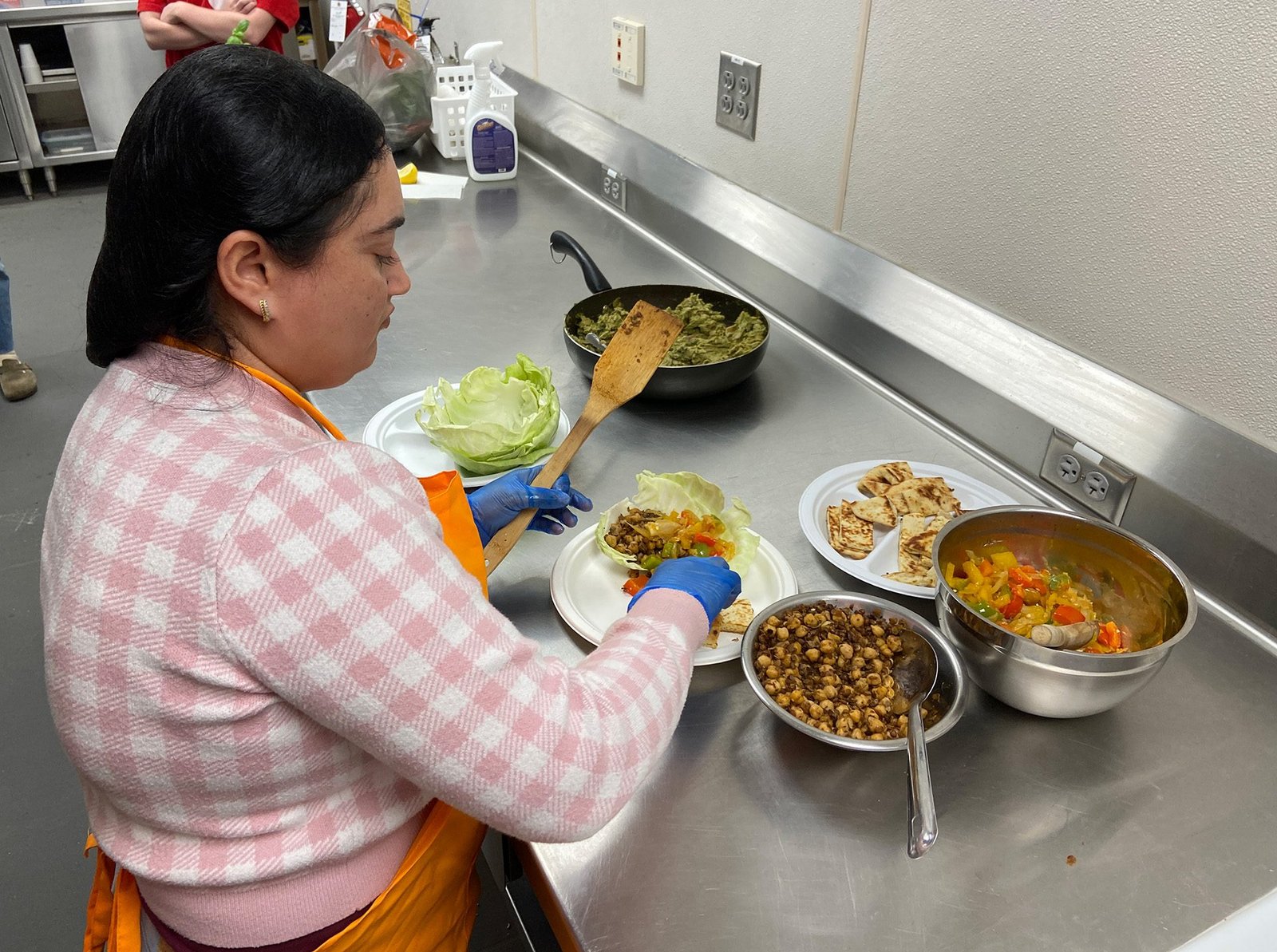
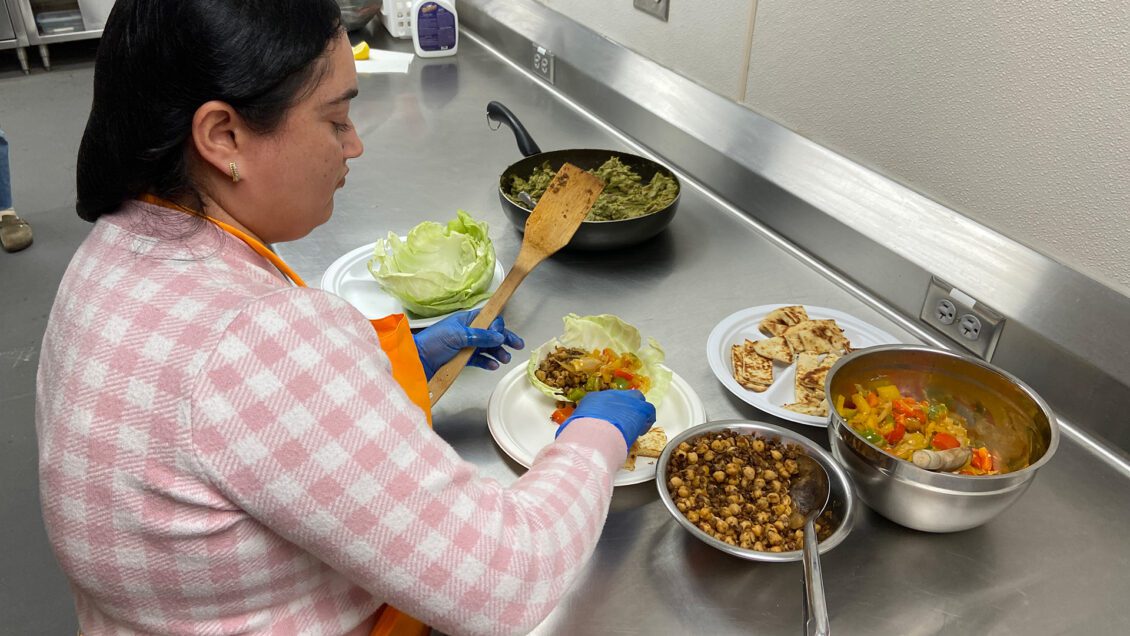
Students preparing legume dishes
Students in the Clemson Pulse Quality and Nutritional Breeding Program create dishes from recipes shared in Tiger Gardens: Pulse Cookbook.
Dine together at the South Carolina Botanical Garden
To celebrate the end of the spring semester, students and faculty gather at the South Carolina Botanical Garden to eat dishes made using student recipes published in the Tiger Gardens: Pulse Cookbook.

Grow healthy crops in a tiger garden
Tiger Garden is a model that provides year-round access to nutritious vegetables with an emphasis on micronutrients and protein.
Contact us and we’ll connect you with the author or another expert.
Or email us at news@clemson.edu
