

Credit: Unsplash/CC0 Public Domain
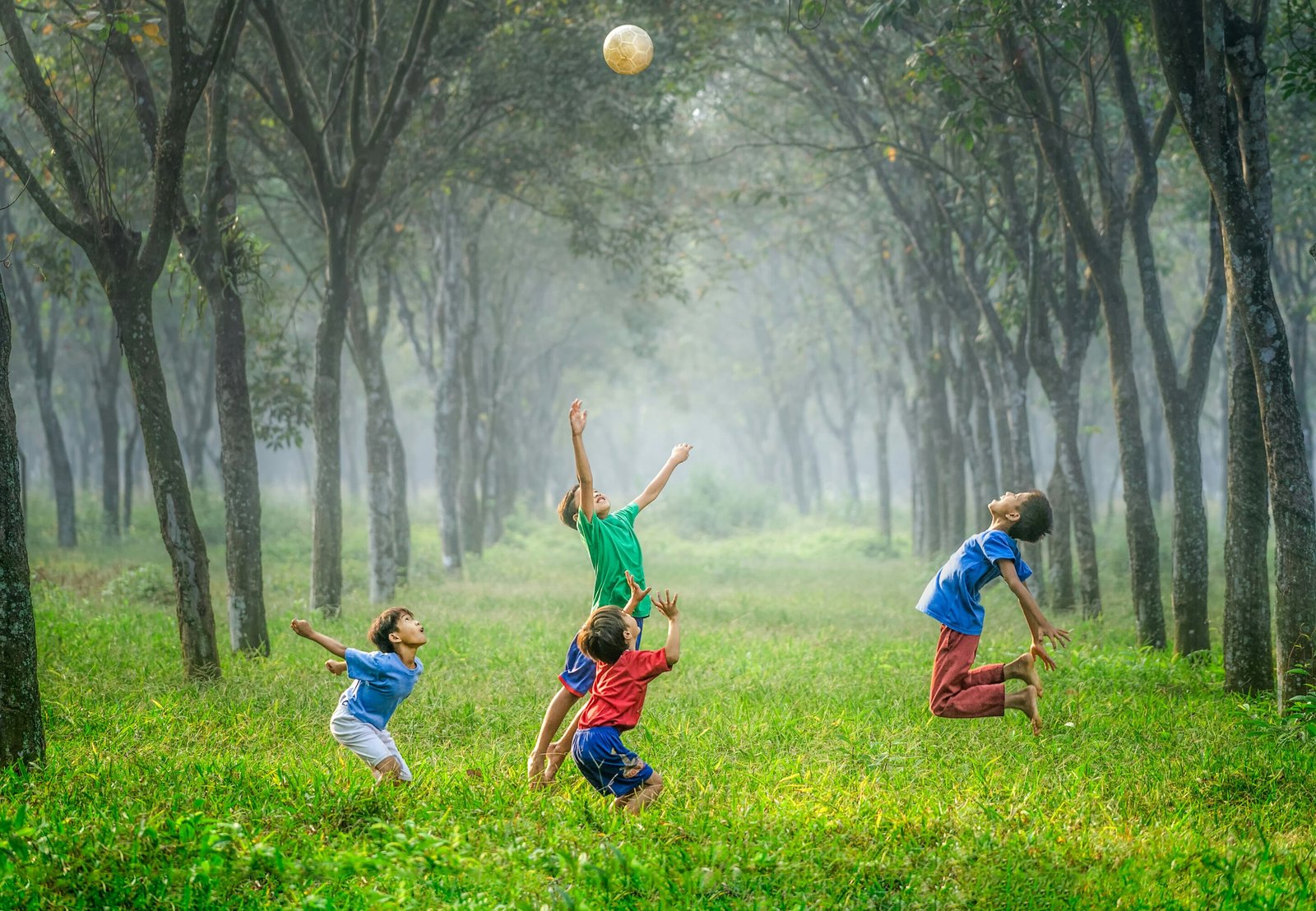
Children who spend more time in natural environments have significantly better mental health, according to a new study led by the University of Glasgow.
This groundbreaking new study, using GPS and accelerometer tracking, finds that the benefits of spending time in nature are greatest for children from low-income families.
The study has been published in the journal Neurology. Environment InternationalA new study found that children who spent just 60 minutes in nature each day had a 50% lower risk of suffering from mental health problems, with disadvantaged children seeing the greatest benefits in terms of improved behavior and social skills.
Additionally, the study found that utilizing natural environments for light activities, such as walking, was just as beneficial as using these spaces for more strenuous activities, such as running.
As a result of their findings, the researchers call for policymakers, local planners, community groups and health professionals to work together to ensure access to safe, high-quality natural spaces in disadvantaged areas, and they also highlight the importance of raising awareness about the health benefits of being in nature.
With growing concerns about children’s mental health and increasing urbanization, understanding how nature impacts the health of young people is more important than ever. However, previous studies investigating the relationship between nature and health in children have produced mixed results. This is because studies often measure “nature exposure” as the amount of nature available near home or based on parents’ estimates, and do not accurately measure children’s direct access to nature.
To address these issues, the researchers in this study, with full consent from the participating children and their parents, used advanced GPS and accelerometer technology to measure the actual amount of time children spent in nature over the course of a week. They also looked at whether children used nature for vigorous activities like sports, or for more gentle, sedentary activities like walking and sitting. Children’s mental health was then assessed with a questionnaire and correlated with time spent in nature.
Lead researcher Dr Fiona Carril, from the University of Glasgow, said: “Our findings suggest that encouraging children to spend more time in nature is a simple but effective way of supporting their mental health. Importantly, disadvantaged children appear to benefit more from spending time in nature than their more advantaged peers.”
Lead author Professor Rich Mitchell said: “This is compelling evidence of a role for nature in reducing the mental health gap between high-income and low-income children. It suggests that natural environments may be ‘equilibrium’ – reducing inequalities by disproportionately benefiting those from disadvantaged backgrounds.”
Co-author Dr Paul McCrory added: “Natural environments may protect disadvantaged children from increased psychosocial and environmental stressors. They also provide greater opportunities to improve social connections through activities such as team sports.”
For more information:
Fiona Caryl et al., “Access to natural environments is associated with reduced inequalities in children’s mental health: A cross-sectional analysis using Global Positioning System (GPS) data.” Environment International (2024). DOI: 10.1016/j.envint.2024.108847
Courtesy of University of Glasgow
Quote: Children who spend more time in natural environments have significantly better mental health (June 26, 2024) Retrieved June 26, 2024 from https://medicalxpress.com/news/2024-06-children-natural-environments-significantly-mental.html
This document is subject to copyright. It may not be reproduced without written permission, except for fair dealing for the purposes of personal study or research. The content is provided for informational purposes only.
