

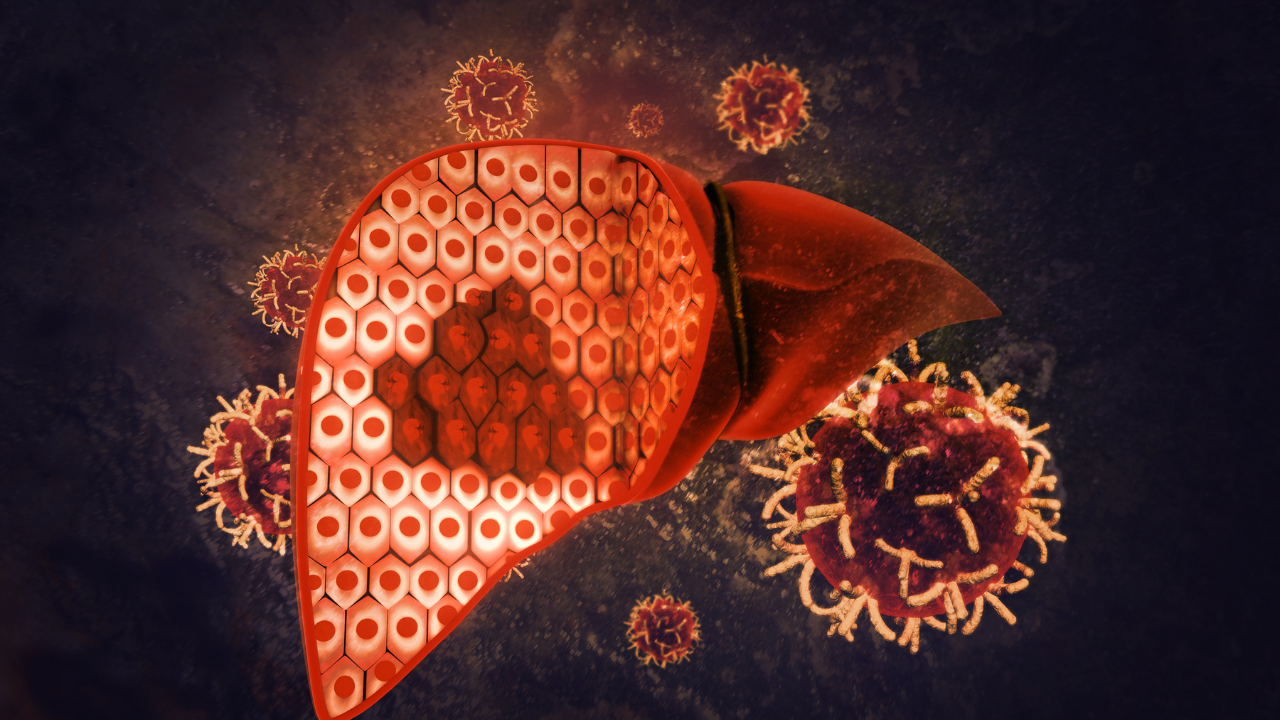
What is Nonalcoholic Fatty Liver Disease?
NAFLD is a condition that results in the accumulation of excess fat in the liver in people who drink little or no alcohol. It is closely linked to obesity, type 2 diabetes, and other metabolic disorders. If left untreated, it can progress to more serious liver diseases, including nonalcoholic steatohepatitis (NASH), liver fibrosis, and even cirrhosis.
Why is there such growing concern?
Representative image
According to the American Liver Foundation, NAFLD affects up to 100 million patients in the U.S. alone. The rise in NAFLD cases is attributed to the rise in obesity and sedentary lifestyles, making it a major public health challenge.
What role does Vitamin A play in liver health?
Vitamin A is a fat-soluble vitamin that plays a very important role in maintaining vision, immune function, and cell growth. A study published in the journal Hepatology in 2020 found that vitamin A deficiency is associated with an increased risk of developing NAFLD. The study highlighted that sufficient amounts of vitamin A may help promote fat metabolism and prevent fat accumulation in the liver.
How does Vitamin A work?
Vitamin A helps regulate liver function and fat metabolism. It helps the liver process fats efficiently and prevents fat buildup in liver cells. This regulation is important for reducing the risk of NAFLD, as excess fat accumulation in the liver is a hallmark of the disease.
Another study published in the Journal of Clinical Endocrinology & Metabolism in 2021 found that vitamin A supplements improved liver function in patients with NAFLD. Researchers observed a significant reduction in liver fat content and inflammatory markers in participants who took vitamin A supplements for six months.
How can you add Vitamin A to your diet?
To reduce your risk of NAFLD, it’s important to get enough vitamin A through your diet. Here are some foods rich in vitamin A:
Although vitamin A is beneficial, too much can lead to toxicity, so it’s important to avoid taking too much, especially from supplements. The recommended daily allowance (RDA) for adults is 700-900 micrograms.
Dairy products such as milk and cheese also provide significant amounts. Plant-based sources rich in beta-carotene include leafy greens such as sweet potatoes, carrots and spinach – one medium sweet potato contains over 1,400 micrograms. Including these foods in your diet, especially with some healthy fats to enhance absorption, can help ensure adequate vitamin A intake to support a variety of bodily functions.
