

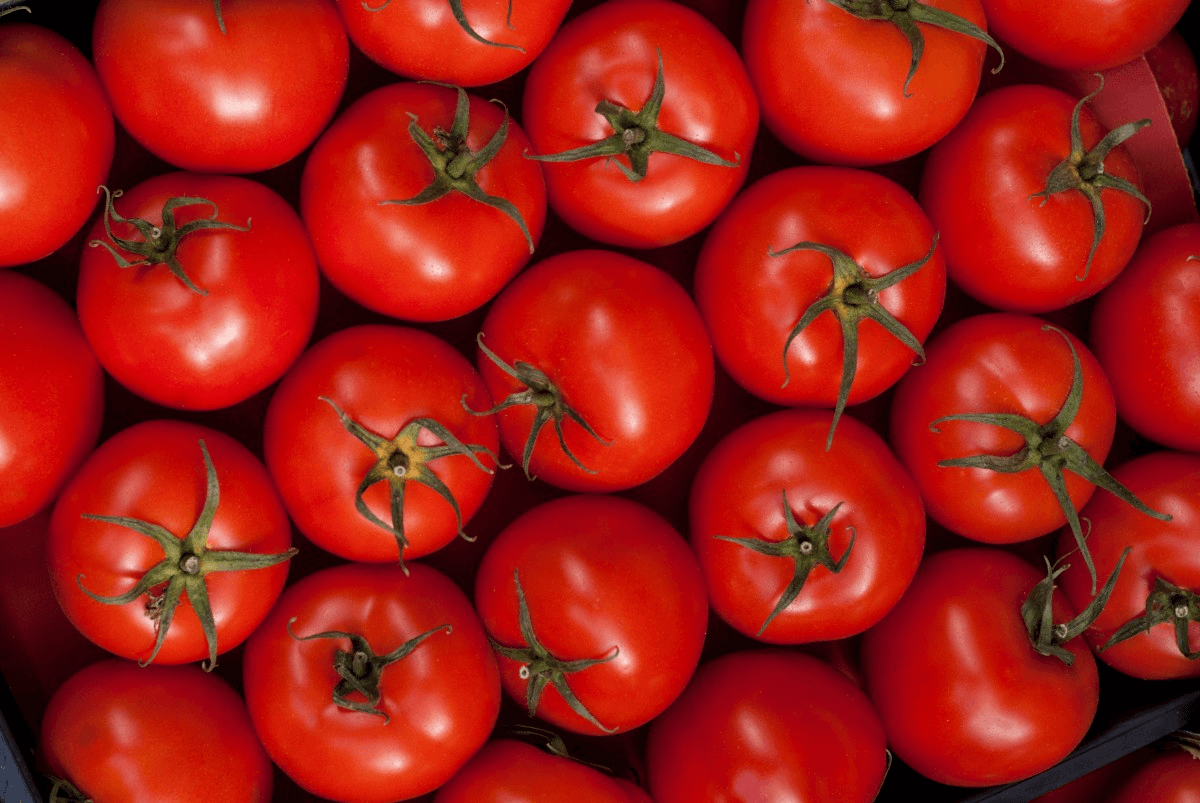
The agricultural giant believes cutting-edge technology has the power to address widespread nutritional problems. [Bayer] The company revealed details of a new open innovation platform and new collaborations to develop new tomato varieties to solve vitamin D deficiency and produce genome-edited leafy greens.
As part of its strategic open innovation approach, Bayer has been pursuing two initiatives with external partners to advance genome editing in vegetables. Bayer and South Korean biotechnology company G+FLAS have signed an agreement to collaborate on developing genome-edited tomato varieties fortified with vitamin D3. Vitamin D deficiency is a widespread problem around the world, especially in countries with limited daylight hours in winter. An estimated 1 billion people worldwide are affected and can lead to a variety of health problems, including rickets.
The importance of Bayer’s strategic open innovation approach has already been demonstrated, most recently through a new licensing agreement with Pairwise, a pioneering US-based food and agriculture technology start-up. Bayer acquired a license from Pairwise granting it the rights to handle and commercialize Pairwise’s genome-edited mustard greens. These are a colorful leafy vegetable mix with a unique, fresh flavor and higher nutritional value compared to lettuce, enabled by genome editing. These were the first gene-edited food products introduced to the North American market.
This is an excerpt, see the original post here.
