
Close Menu
  • Home
  • Wellness
    • Women’s Health
    • Anti-Aging
    • Mental Health
  • Alternate Healing
    • Energy Healing
    • Aromatherapy
    • Acupuncture
    • Hypnotherapy
    • Ayurveda
    • Herbal Remedies
    • Flower Essences
    • Naturopathy
  • Spirituality
    • Meditation
    • Pilates & Yoga
  • Nutrition
    • Vitamins & Supplements
    • Recipes
  • Shop

Subscribe to Updates

Subscribe to our newsletter and never miss our latest news

Subscribe my Newsletter for New Posts & tips Let's stay updated!

What's Hot

4 supplements you should absolutely avoid, found at HomeGoods

July 30, 2024

This anti-aging snail slime serum is just $14 (over 40% off), so grab it!

July 30, 2024

Book Review: The subtle power of emotional abuse

July 30, 2024
Facebook X (Twitter) Instagram
  • Home
  • About us
  • Advertise with Us
  • Contact us
  • DMCA Policy
  • Privacy Policy
  • Terms and Conditions
Login
0 Shopping Cart
The Holistic Healing
  • Home
  • Wellness
    • Women’s Health
    • Anti-Aging
    • Mental Health
  • Alternate Healing
    • Energy Healing
    • Aromatherapy
    • Acupuncture
    • Hypnotherapy
    • Ayurveda
    • Herbal Remedies
    • Flower Essences
    • Naturopathy
  • Spirituality
    • Meditation
    • Pilates & Yoga
  • Nutrition
    • Vitamins & Supplements
    • Recipes
  • Shop
The Holistic Healing
Home » Bananas – a source of nutrition
Vitamins & Supplements

Bananas – a source of nutrition

theholisticadminBy theholisticadminMay 20, 2024No Comments9 Mins Read
Facebook Twitter Pinterest Telegram LinkedIn Tumblr Email Reddit
Share
Facebook Twitter LinkedIn Pinterest Email Copy Link


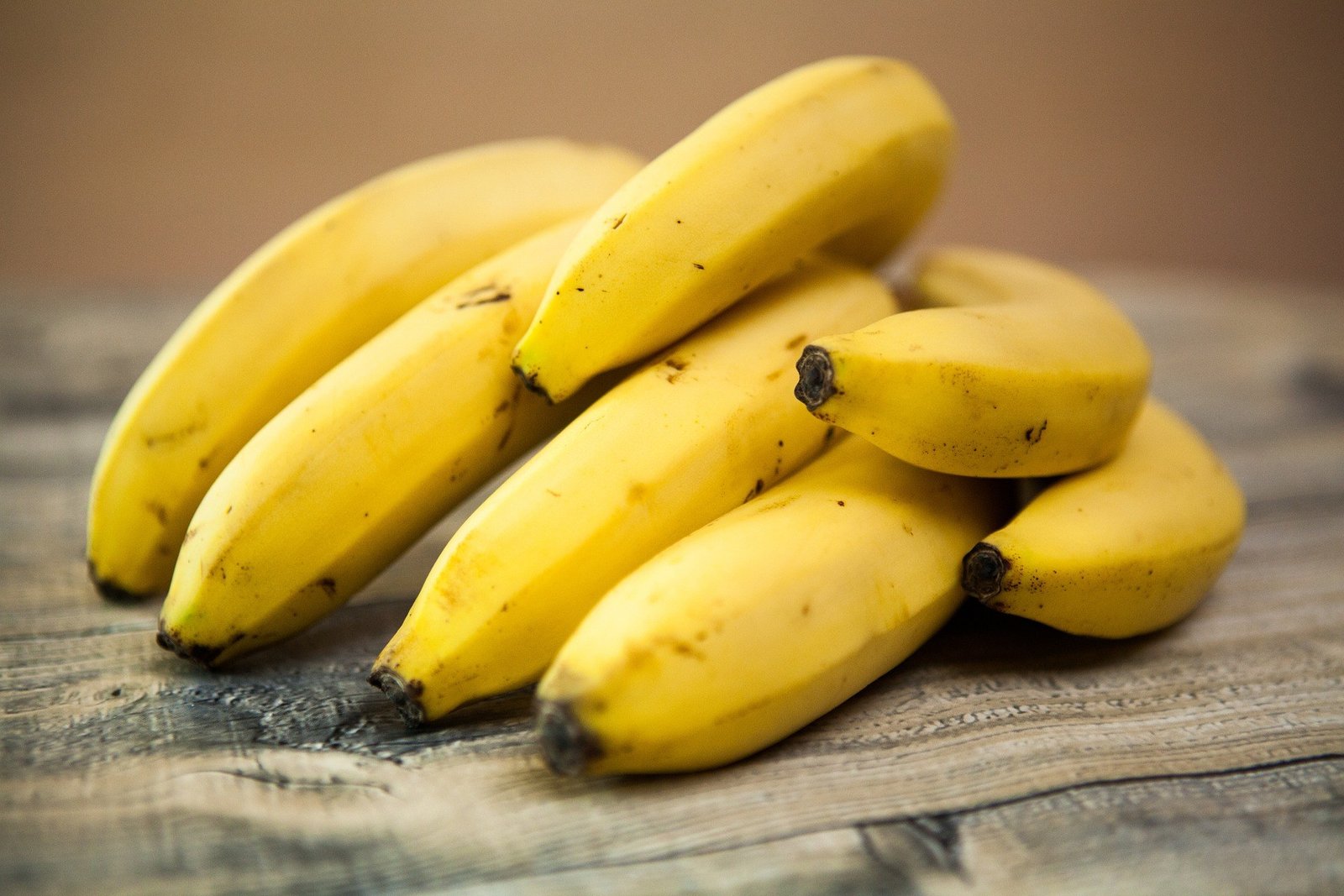
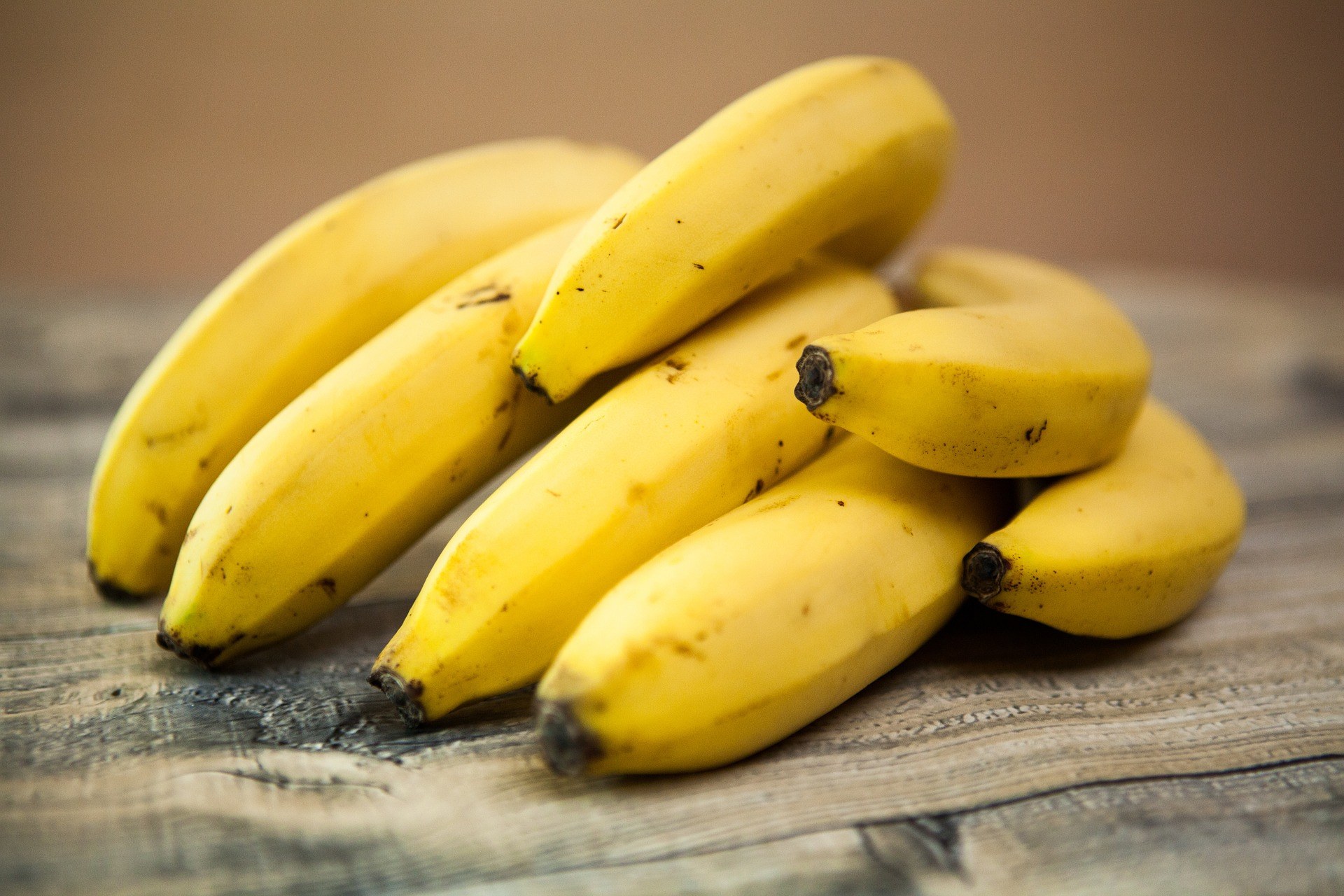
Banana bunch

There’s a bit of confusion about bananas. Some consider this iconic golden fruit a healthy option, while others steer clear of it after seeing it on the internet’s “Top 5 Worst Foods” lists. The negative claims are that bananas cause weight gain and constipation. An article published in 1917 stated: Journal of the American Medical Association Citing a rumor from the time, he defended the nutritional value of bananas: “Bananas are a cause of indigestion and a dangerous dietary component…” [1]

The scientific name of banana is MusaBananas are tropical flowering plants in the Musaceae family that are characterized by the banana fruits that grow in clusters at the top of the plant. The mild-tasting, disease-resistant Cavendish variety is the one primarily sold in the United States and Europe. Despite some negative perceptions, bananas are highly nutritious and may even hold the title of the first “superfood,” recommended by the American Medical Association in the early 20th century as a children’s health food and treatment for celiac disease.

source

One serving or one medium ripe banana contains approximately 110 calories, 0 grams of fat, 1 gram of protein, 28 grams of carbohydrates, 15 grams of sugar (naturally occurring), 3 grams of fiber, and 450 mg of potassium.

kinds

  • Banana (Cavendish) – Sometimes called the “dessert banana,” this classic type is slightly sweet when ripe. Choose bananas with unblemished green or clear yellow skin. As they ripen, the skin changes from thick and hard to thin and flexible, brown spots appear on the surface, and the skin turns black all over. For the best flavor, wait until the banana is golden brown with a few brown spots. As it ripens, the skin will turn brownish-black all over and the flesh will ferment, becoming even softer and less sweet.

Below are some banana varieties that are not commonly available in the United States.

  • Plantain (Green Banana) – Larger, starchier and less sweet Musa It is commonly used in cooking. When unripe, green plantains have a bland taste and firm flesh. In tropical regions such as Central America, Africa, and the Philippines, plantains are fried, boiled, or baked in a variety of dishes and are a major source of carbohydrates. When ripe, they have a yellow skin, a slightly sweet taste, and can be eaten raw or cooked.
  • bunch of small red bananasRed Banana – These bananas are shorter and plumper than the Cavendish and have a deep red-purple color. Ripe red bananas are creamy and often sweeter than Cavendish bananas.
  • Lady Finger – Thinner and slightly shorter than the Cavendish banana, it is sweeter and can be eaten raw or as a dessert.

Bananas and health

Cardiovascular Health

Bananas are an excellent source of potassium. Potassium is an important mineral and electrolyte in the body that carries a slight charge. These charges allow nerve cells to send signals to make the heart beat regularly and muscles contract. Potassium is also needed to maintain a healthy balance of water in cells, counteracting the effects of excess dietary sodium. An imbalance of potassium deficiency and excess sodium in the diet can lead to high blood pressure. Excess sodium can cause water to build up in the blood, putting pressure on blood vessel walls and ultimately causing damage. Potassium helps the body eliminate excess sodium in the urine, relieving tension on blood vessel walls. High in potassium and fiber and low in sodium, bananas are an important component of heart-healthy diets such as DASH (Dietary Approaches to Stop Hypertension), which target approximately 4,700 mg of dietary potassium per day.

Digestive Health

Bananas are included in the BRAT diet (Bananas, Rice, Applesauce, Toast), once commonly prescribed for patients with diarrhea or who needed a bland, easily digestible diet after stomach upset. Not only are bananas easy to eat, they also contain resistant starch (especially when cooked and unripe, green bananas are used), which helps replenish electrolytes such as potassium lost during diarrhea and vomiting, and aids in digestive healing.

Unripe bananas contain resistant starch, a type of carbohydrate that is difficult to digest in the small intestine. Resistant starch is absorbed slowly and does not cause a spike in blood sugar levels. Starch provides food for the growth of beneficial microorganisms in the digestive tract. Once in the large intestine, starch is broken down and fermented by microorganisms to produce short-chain fatty acids (SCFAs) that may help prevent chronic diseases such as gastrointestinal disorders. Clinical studies have shown that SCFAs may be used to treat ulcerative colitis, Crohn’s disease, and antibiotic-associated diarrhea. [2]

Weight Control

Contrary to popular belief, there is no evidence that bananas contribute to weight gain. In an analysis of three large prospective cohort studies, researchers looked at the association between reported intake of specific fruits and vegetables and change in weight in 133,468 US men and women followed for up to 24 years. [3] Results were adjusted to account for other factors that may contribute to weight change, such as smoking and physical activity. Higher intakes of apples, pears and berries tended to be more strongly associated with less weight gain over time, but bananas were also associated with less weight gain.

Do bananas spike blood sugar levels? If so, can they be included in the diet of people with conditions like type 2 diabetes or prediabetes? Some doctors recommend that diabetics choose foods with a low glycemic index. The glycemic index (GI) is a measure of the rise in blood sugar levels after eating a particular food. A GI score of 55 or less is rated as low, meaning the food does not significantly raise blood sugar levels. The glycemic load (GL) is a more specific measure that takes into account not only the glycemic index of a food, but also the amount of carbohydrates in one serving of that food. A score of 10 or less is rated as low GL.

According to the International Glycemic Index Database, ripe bananas have a low GI of 51, while unripe bananas are even lower at 42, with moderate GLs of 13 and 11, respectively. Why would a banana have a high glycemic load score despite a low glycemic index? This is likely due to their high carbohydrate content (28 grams in one medium banana and about 19 grams in one medium apple), which increases their glycemic load. However, the type of carbohydrate they contain is classified as resistant starch, which acts similarly to dietary fiber. Resistant starch is not broken down in the small intestine, which releases less glucose into the bloodstream. This allows the starch to be digested more slowly, lowering the glycemic index and increasing satiety.

storage

  • Store at room temperature away from direct sunlight.
  • Do not refrigerate green bananas as this can prevent normal ripening.
  • To hasten ripening, store them in a brown paper bag or near other ripe fruit; as they ripen, they give off ethylene gas, which speeds up ripening. Conversely, if you want to slow ripening, store bananas away from other ripe bananas and fruit. Don’t store them in a plastic bag; this can trap excess moisture and promote spoilage.
  • Banana “trees” or hangers promote gradual ripening of bananas by providing an even supply of oxygen to the banana bunches and preventing excess pressure and moisture from building up in the bananas at the bottom of the bunch.
  • Ripe, golden bananas can be stored in a sealed vegetable drawer in the fridge. Although the skin will continue to darken, refrigeration will help them retain their flavor for another week.
  • If your bananas are ripe and almost brown, peel them and chop or mash the flesh to add to baked goods or freeze them to add to smoothies.

prepare

  • Sliced ​​bananas in a fruit salad with kiwi, orange and pomegranateSlice ripe bananas and add them to fruit salads, adding a squeeze of something acidic like apple cider vinegar, orange juice, lime or lemon to prevent the bananas from browning too quickly.
  • When making rich baked goods like muffins, quick breads and cookies, use an equal amount of mashed bananas in place of butter. Bananas may cause foods to cook faster, so check them a few minutes earlier or reduce the oven temperature by 25°F. Bananas also add sweetness, so try reducing the amount of sugar in recipes by a quarter to half.
  • To make the frozen dessert, cut a peeled, ripe banana in half and insert a popsicle stick or skewer into the flat end. Dip the banana into yogurt until evenly coated, sprinkle with nuts, chopped dried fruit, cinnamon or any other toppings of your choice, and freeze for several hours.
  • For an easy dairy-free ice cream alternative, peel, chop and freeze 2 medium bananas. Place in a blender or food processor and add a few tablespoons of liquid (water, dairy or plant-based milk, or coconut water). Blend until smooth. Add more liquid if you want it extra creamy. For a different flavor, add 1-2 tablespoons of unsweetened cocoa powder or nut/seed butter, a dash of vanilla extract and cinnamon, or 1/2 cup frozen berries.

More banana recipe ideas and serving suggestions:

Did you know that?

  • In many countries, banana and plantain leaves are recycled as packaging for tamales and meats, and are also used to cover or encase a variety of foods during cooking to seal in flavor.
  • Banana peels contain phytochemicals in the form of antioxidants that have long been used in traditional and folk medicine as antiseptics and anti-inflammatory agents to promote wound healing for insect bites, minor burns, sunburns, and other injuries. [4] A simple home remedy is to press the inside of a banana peel onto the wound for a few minutes.
References
  1. Bananas again. JAMA. 1917;6923:1972– 1974
  2. den Besten G, van Eunen K, Groen AK, Venema K, Reijngoud DJ, Bakker BM. Role of short-chain fatty acids in the interplay between diet, gut microbiota and host energy metabolism. Journal of Lipid Research. 2 July 2013: jlr-R036012.
  3. Bertoia ML, Mukamal KJ, Cahill LE, Hou T, Ludwig DS, Mozaffarian D, Willett WC, Hu FB, Rimm EB. Changes in fruit and vegetable intake and weight change in US men and women followed for up to 24 years: analysis from three prospective cohort studies. PLoS Medicine2015 Sep 22;12(9):e1001878.
  4. Pereira A, Maraschin M. Banana (Musa spp) from peel to pulp: ethnopharmacology, sources of bioactive compounds and relevance to human health. Journal of Ethnopharmacology2015 Feb 3;160:149-63.

terms of service

The content on this website is for educational purposes only and does not provide personalized medical advice. If you have any questions regarding a medical condition, please consult your physician or other qualified health care provider. Never disregard professional medical advice or delay in seeking it because of something you have read on this website. Nutrition Source does not recommend or endorse any products.


Source link

Share. Facebook Twitter Pinterest LinkedIn Tumblr Email
theholisticadmin
  • Website

Related Posts

4 supplements you should absolutely avoid, found at HomeGoods

July 30, 2024

Why I recommend Ritual Prenatal Vitamins to my mom friends

July 30, 2024

Side Effects of Prenatal Vitamins

July 30, 2024
Leave A Reply Cancel Reply

Products
  • Handcraft Blends Organic Castor Oil - 16 Fl Oz - 100% Pure and Natural
  • Bee's Wrap Reusable Beeswax Food Wraps
  • WeeSprout Double Zipper Reusable Food Pouch - 6 Pack - 5 fl oz
Don't Miss

8 Ayurvedic drinks and tonics to boost your immunity this monsoon season

By theholisticadminJuly 30, 2024

Cinnamon Tea Cinnamon has anti-inflammatory and antibacterial properties, making it perfect for maintaining overall health…

An Ayurvedic Roadmap for Seasonal Self-Care

July 30, 2024

Can Zydus Wellness overcome skepticism about health drinks as it enters the Ayurvedic beverage space with Complan Immuno-Gro? – Brand Wagon News

July 30, 2024

Zydus Wellness launches Ayurvedic beverage Complan Immuno-Gro with campaign featuring actress Sneha

July 30, 2024

Subscribe to Updates

Subscribe to our newsletter and never miss our latest news

Subscribe my Newsletter for New Posts & tips Let's stay updated!

About Us

Welcome to TheHolisticHealing.com!

At The Holistic Healing, we are passionate about providing comprehensive information and resources to support your journey towards holistic well-being. Our platform is dedicated to empowering individuals to take charge of their health and wellness through a holistic approach that integrates physical, mental, and spiritual aspects.

Facebook X (Twitter) Pinterest YouTube WhatsApp
Our Picks

4 supplements you should absolutely avoid, found at HomeGoods

July 30, 2024

This anti-aging snail slime serum is just $14 (over 40% off), so grab it!

July 30, 2024

Book Review: The subtle power of emotional abuse

July 30, 2024
Most Popular

Energy healed me — over the phone! Scientist explains how

October 19, 2011

Spirituality and Healing | Harvard Medical School

January 14, 2015

Healing through music – Harvard Health

November 5, 2015
  • Home
  • About us
  • Advertise with Us
  • Contact us
  • DMCA Policy
  • Privacy Policy
  • Terms and Conditions
© 2026 theholistichealing. Designed by theholistichealing.

Type above and press Enter to search. Press Esc to cancel.

Sign In or Register

Welcome Back!

Login to your account below.

Prove your humanity


Lost password?