

The Ministry of AYUSH in its announcement dated April 18 pointed out the above and also mentioned several other problematic advertisements made by AYUSH product manufacturers.
One of these was to claim that Ayush’s medicines or products had value as dietary supplements.
In India, dietary supplements are currently regulated by the Food Safety and Standards Authority of India (FSSAI), along with dietary supplements, special dietary foods, special medical foods, and prebiotic and probiotic foods.
Dietary supplements must contain molecules/isolates/extracts as approved by food authorities.
According to the regulations, they are intended to provide physiological benefits and help maintain good health, but are not intended to treat or cure any medical condition, disease, or disorder.
On the other hand, Ayush products, which refers to Ayurveda, Siddha, Unani and Homeopathy, consist of Ayurveda and other traditional Indian medicine systems.
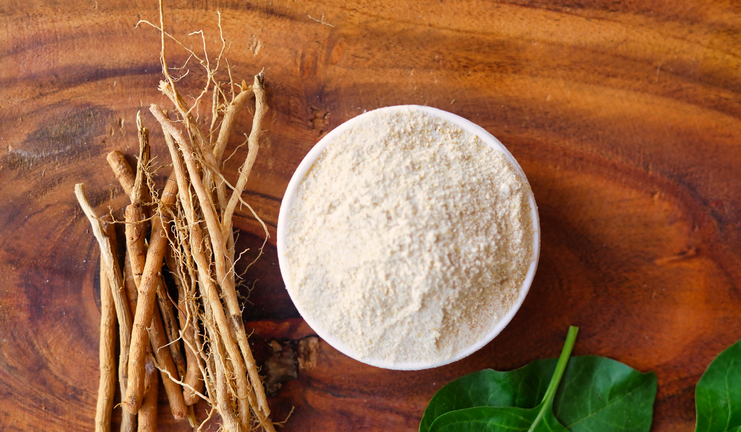
These products are making a comeback across India due to their effectiveness and lack of side effects. For example, ingredients commonly used in Ayurveda, such as curcumin and ashwagandha, are increasingly being used in nutritional supplements as well.
Still, AYUSH products and dietary supplements do not fall into the same category and are regulated by different laws. In this case, the labeling of AYUSH products must comply with the Drugs and Cosmetics Regulations and the advertising must comply with the Medicines and Magical Remedies.
The Ayush ministry also said that some Ayush manufacturers claim that their products are approved or certified by the ministry.
However, this is an inaccurate claim as the ministry has not granted permission or approval to manufacture Ayush medicines.
“Approval by the National Drug Licensing Authority shall not be construed as approval by the ‘Ministry of Ayush’. Licenses issued by state SLAs authorize manufacturers to sell specified medicines/products on the basis of implementation of the provisions set out in the Drugs and Cosmetics Act, 1940 and the Rules made thereunder. ” the ministry said.
Manufacturers are encouraged to ensure that such claims are not present on their product labels or advertising.
That is, any claim “Approval/Certification by Ministry of AYUSH”If the label or advertisement for an ASU&H drug says , legal action may be taken against the alleged manufacturer.
misleading claims
AYUSH manufacturers are also warned not to make misleading claims, such as advertising their products as “100 percent safe.”
Other misleading advertisements, such as “no side effects,” “guaranteed treatment,” and “permanent cure,” violate consumer protection laws, cable television laws, and corporate emblems and names (prevention of unauthorized use). Activities.
