

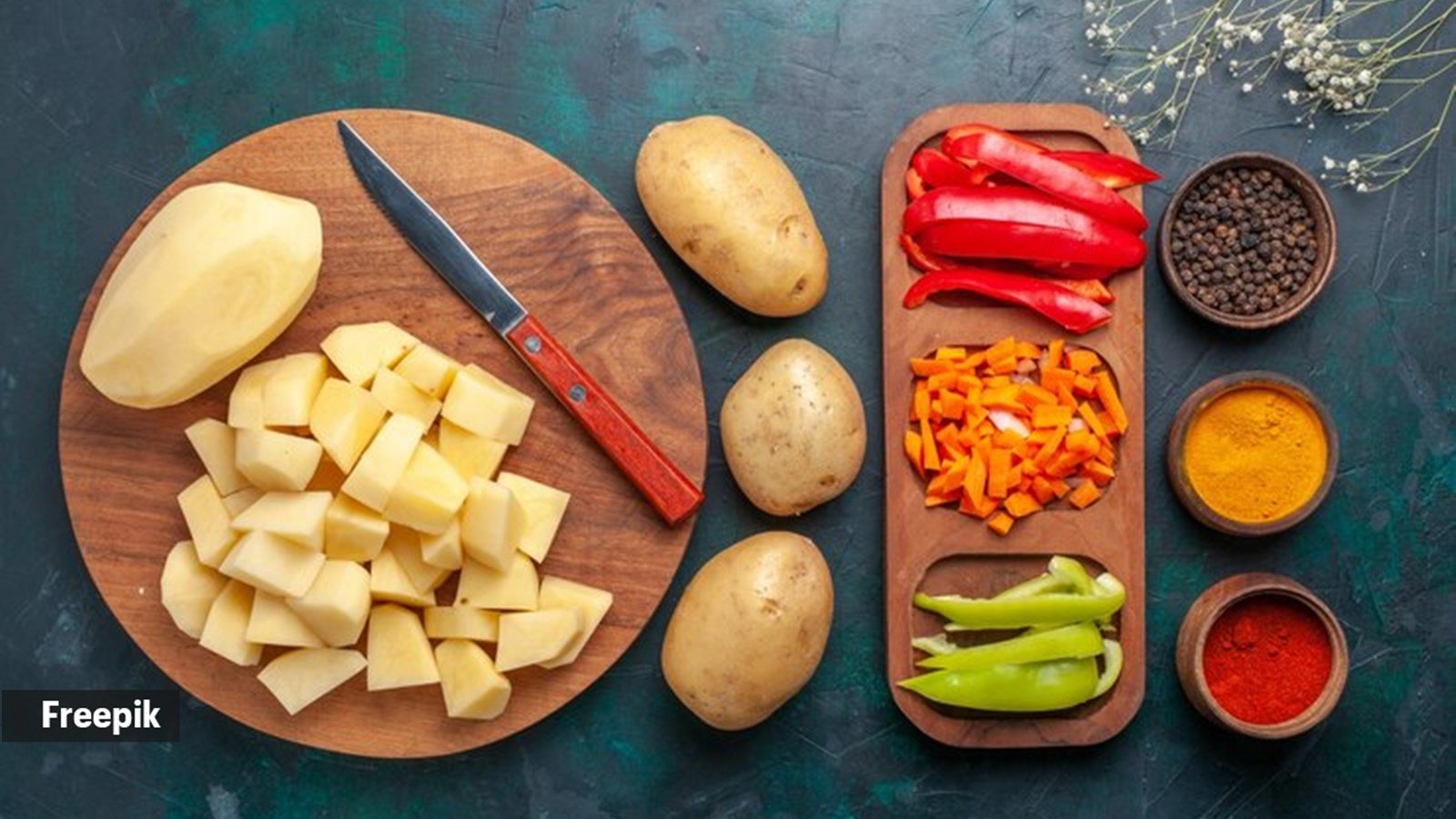
For people suffering from cystic or hormonal acne, excessive fever, joint pain, hives and other autoimmune diseases, Ayurvedic physician Dr Varalakshmi Yanamandra advises them to avoid eating nightshade vegetables. She says such people should avoid potato skins, tomato seeds and the white pith of bell pepper. “These are some of the first foods we should avoid as part of treating the disease. Autoimmune disorders“They all belong to a group of vegetables and toxins called the Nightshade family. They’re all rich in inflammatory compounds called alkaloids. The Nightshade family, a group of vegetables and toxins, is both a toxic chemical as well as a potent medicinal compound,” said Dr. Yanamandla.
She also urged caution when consuming nightshade plants, as they can cause inflammation in the joints and irritate the intestinal system. “Typically, these alkaloids are found in certain parts of the plant, so the skin of nightshade plants is a good source of these alkaloids,” she said. potato“Tomato seeds and the white skin of bell peppers are thought to be harmful if consumed daily, which is why it’s important to discard them when cooking nightshade vegetables,” says Dr Yanamandra.
But we wanted to know more, so G Sushma, clinical nutritionist, CARE Hospitals Banjar Hills Hyderabad, lists out some of the benefits and things to consider while consuming nightshade vegetables.
Potato skins
advantage
fiberPotato skins are a good source of dietary fiber, which aids digestion, maintains gut health, makes you feel full, and may help with weight management. fiber “Potatoes contain compounds that increase blood sugar levels slowly when peeled. But most Indian dishes made with potatoes are left unpeeled, which causes a quick rise in blood sugar,” says Edwina Raj, head of clinical nutrition and dietetics services at Aster CMI Hospital in Bangalore.
vitaminPotato skins are rich in vitamin C and B vitamins such as niacin, riboflavin and folate. Vitamin C is important for immune system and skin health, while B vitamins play a key role in energy metabolism and red blood cell production, says Sushma.


mineralSkin is also rich in minerals like potassium, iron and magnesium. “Potassium is essential for heart health and muscle function, iron is essential for carrying oxygen in the blood, and magnesium is involved in over 300 biochemical reactions in the body,” says Sushma.


Edwina said potato skins are rich in phytochemicals such as flavonoids, phenols and glycoalkaloids, which have anti-inflammatory, anti-ageing, anti-cancer and antioxidant properties.
Considerations
Pesticides: It is important to wash potato skins thoroughly, as they may contain pesticides. potato It helps in reducing exposure to pesticides,” Sushma said.
GlycoalkaloidsPotatoes contain naturally occurring toxins called glycoalkaloids, most of which are found in the skin and sprouts. “The toxins in potato skins are generally safe to eat, but green or sprouted potatoes have higher concentrations of toxins and should be avoided,” says Sushma.
Tomato seeds
advantage
fiber: Tomato seeds contribute to the fiber content of the whole tomato, aiding in digestion and maintaining a healthy digestive system.
AntioxidantsTomato seeds are rich in antioxidants, especially lycopene. “Lycopene is a powerful antioxidant that may help reduce the risk of heart disease and certain cancers, especially prostate cancer,” says Sushma.
Essential fatty acids: According to Sushma, the seeds contain small amounts of essential fatty acids that are beneficial for heart health.
Edwina said tomato skins and seeds make up 60 percent of dietary fibre, which together increase the healthy microbes in your gut, positively impacting gut health.
Considerations
DigestiveSushma points out that some people may find tomato seeds hard to digest and may cause discomfort or aggravate conditions such as diverticulitis. Gastrointestinal disorders “It can cause bloating,” says Edwina, but Sushma adds that for most people it’s perfectly fine to eat.
White part of bell pepper
advantage
fiber: White pith increases the fiber content of chili peppers and supports digestive health.
Vitamin C: Bell peppers, including the pith, are rich in Vitamin C, which is good for immune function, skin health, and Antioxidant Protection.


Bioflavonoids: The pith contains bioflavonoids and plant compounds that enhance absorption and effectiveness. Vitamin C It has anti-inflammatory and antioxidant properties.
Considerations
tasteThe white pith has a slightly bitter taste and is not suitable for all dishes, but it is harmless and can be used in cooking to maximise nutritional intake, Sushma emphasised.
What should I be aware of?
Including potato skins, tomato seeds, and the white parts of bell peppers in your diet can increase the nutritional value of your meals by adding fiber, vitamins, minerals, and antioxidants.
“Proper cleaning and Preparation “It helps reduce potential downsides like pesticide residues and bitter taste. By consuming these parts that are often discarded, you can make your diet healthier and reduce food waste,” says Sushma.
Edwina stressed that if you experience any health problems, you should consult a doctor or qualified nutritionist for individual advice.
