

Five Reading time (min)
The world’s largest food company is responding to one of the most disruptive trends the industry has faced in years by offering products and services targeted at GLP-1 users.
If you can’t beat them, join them.
Nestle is a $105 billion conglomerate, but that doesn’t mean it’s immune to the Ozempic Revolution. As the GLP-1 trend is changing the face of food as we know it, the world’s largest food companies are making two big moves to combat its effects.
Here’s the problem: GLP-1 agonists like Ozempic, Wegoby, Maunjaro, and Zepbound aren’t going anywhere, but food industry sales are declining. Over 60% of Ozempic users are spending less at restaurants. People are buying fewer items from supermarkets, eating less carbs and fats, cutting back on coffee and sugar, and giving up fast food.
Currently, one in eight Americans, or 30 million people, has tried these weight loss drugs, and with Wegovy’s regulatory approval this week, that number is set to grow — after all, we’re talking about the world’s second most populous country, the second largest economy, and the country with the highest number of overweight and obese people.
That means Big Pharma is a headache for Big Food. While some start-ups have jumped on the Ozempic bandwagon with high-fiber, gut-healthy products, the big food companies are biding their time.
That is, so far.
Nestle’s Vital Pursuit supports GLP-1 users
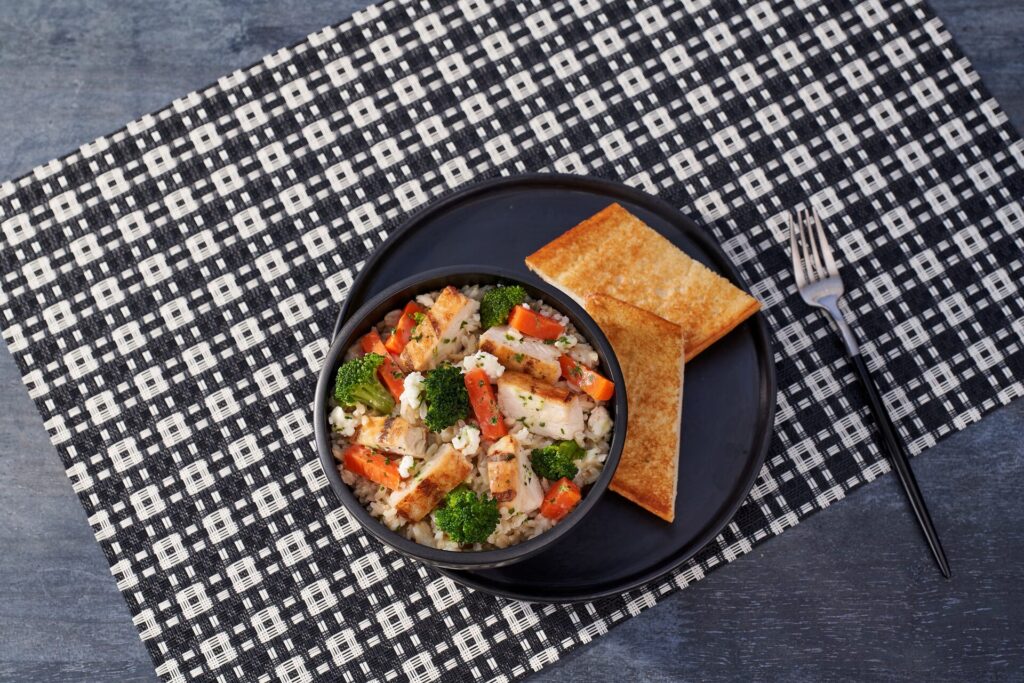
Last month, Nestle unveiled a new brand aimed at GLP-1 users: its Vital Pursuit line of frozen meals, due to hit shelves later this year, will consist of whole-grain bowls, protein pastas, sandwich melts and pizzas, all priced at $4.99.
Cost matters: More than half of GLP-1 users say they have difficulty affording these medications, even with coupons or insurance. A month’s supply of Ozempic costs nearly $1,000 without discounts or rebates.
Vital Pursuit products are said to be high in protein, a good source of dietary fiber and essential nutrients. The 12-product line is “portion-controlled” to satisfy the appetites of weight-loss drug users and also includes gluten-free and air fryer-friendly options.
“As the use of medicines to support weight loss continues to rise, we see an opportunity to serve these consumers,” said Steve Pressley, CEO of Nestlé North America. “We’re leveraging our deep understanding of consumer and nutrition science to stay ahead of the trends shaping consumer behavior and innovate across our portfolio to deliver products people love.”
A website dedicated to GLP-1 advice and products
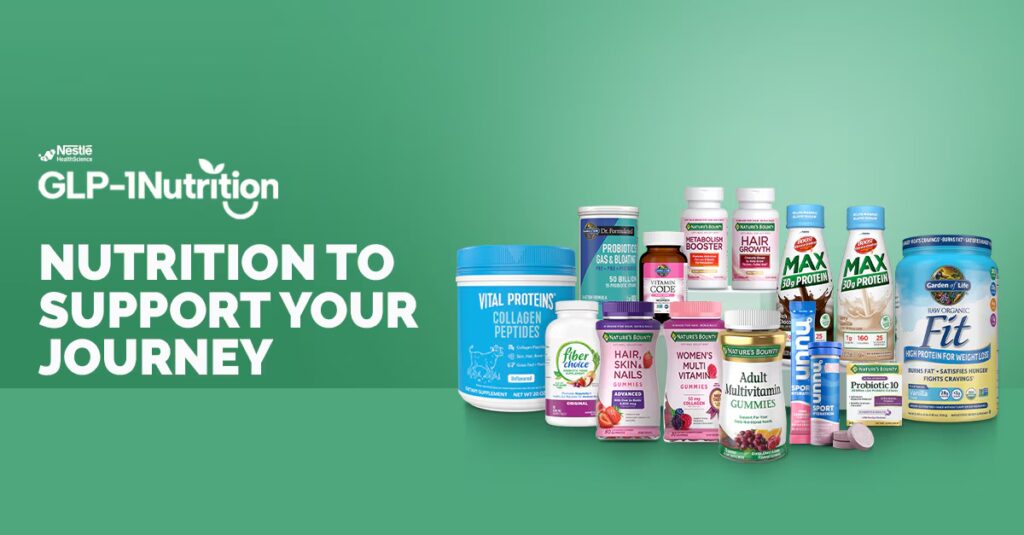
Vital Pursuit wasn’t a one-off effort. This week, Nestle showed how seriously it’s taking the Ozempic trend, when its Health Sciences division launched a website dedicated to providing nutritional support to people on weight-loss programs, including those taking GLP-1 drugs.
Creatively named GLP-1Nutrition, the platform offers a broad portfolio of health and medical nutrition advice, pharmaceutical therapies and sub-branded supplement products. Products and tools cover the areas of muscle maintenance, gut health, micronutrient intake, hydration, skin and hair health and weight regain management.
The website offers personalized dietary advice and product bundle services through its Nutrition Coach program, as well as expert nutrition insights and a community platform where people can share their experiences.
Nestle says on its website that these are all designed to “complement your weight loss journey, even after you’ve stopped losing weight.” Consumers can find Nature’s Bounty brand hair growth supplements, Noon Sports electrolyte tablets, Boost glucose control protein drinks and Vital Proteins collagen peptides on the website.
“The introduction of this new innovative tool marks an important step forward in the mission and focus of our business,” said Anna Mohr, CEO of Nestlé Health Science. “With this offering, we reaffirm our commitment to enabling healthier lives through targeted, personalized nutrition solutions.”
Can big food companies and big pharmaceutical companies build a friendly relationship?
While Nestlé is leading the food industry response, it’s not the only company working in the GLP-1 space: Meal-kit maker Daily Harvest, for example, has begun offering a GLP-1 Companion Collection that includes dishes like broccoli and white bean soup, dragon fruit and lychee smoothie, and bean and cabbage bowl.
Daily Harvest CEO Ricky Silver said the move was a response to “relatively sluggish” sales, but made clear the company was not planning to aggressively push the sale of these kits. “We definitely see this as an opportunity, but it’s not something that requires us to dramatically shift our focus,” he told Reuters. “Our edibles are already fundamentally good for people who are taking these medications.”
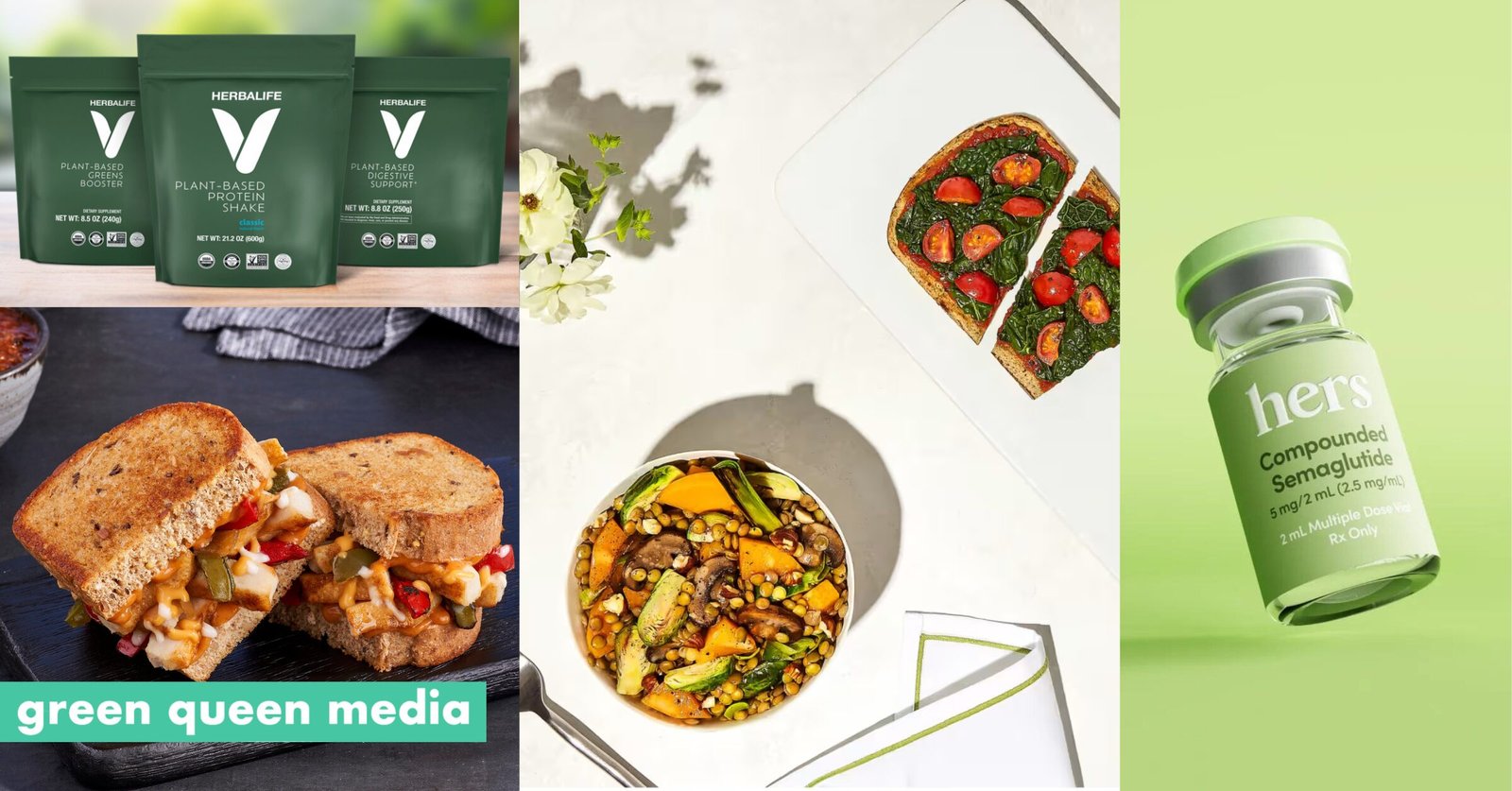
Meanwhile, Herbalife has begun selling bundles of its most popular shake mixes and fiber supplements aimed at users of GLP-1 drugs. And the company doesn’t try to hide its target market: “Are you using GLP-1 weight loss drugs? Support your nutritional needs with Herbalife’s GLP-1 Companion Pack,” reads one Facebook post.
Conagra Brands, whose brands include Birds Eye, Gardin, Chef Boyardee and Mrs. Butterworth, also said it is selling more products to people taking weight-loss drugs. Its frozen food sales have increased 8% among GLP-1 users, and its high-protein meat snacks and low-calorie, high-fiber popcorn are also meeting the needs of these consumers.
This month, Kroger’s health division restructured its weight-management program to give patients access to medications such as Wegobee and Zepbound, and at other retailers, supplement retailer GNC is creating a nutritional support section for GLP-1 users, selling protein powders and fiber products.
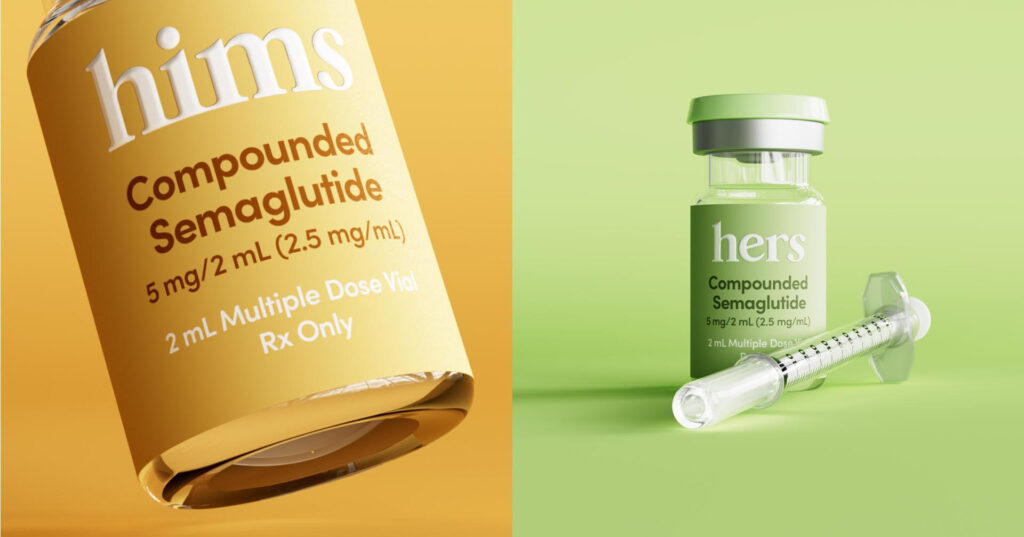
Telemedicine platform Hims & Hers has partnered with drug manufacturers to produce lower-cost generic versions of Ozempic and Wegovy that contain the same active ingredient (semaglutide) as the market-leading drugs, avoiding frequent shortages and soaring prices.
And finally, other industry giants like Unilever and Danone are also looking at the segment. “We have a very broad range of protein yogurts that we sell out of,” Danone CFO and deputy CEO Jurgen Esser told Bloomberg this week. “We think these products will appeal to consumers who are undergoing GLP-1 therapy, but also those who simply want to manage their weight and health.”
GLP-1 agonists are a rapidly growing industry, with sales potentially reaching $150 billion by the early 2030s. Which food companies will be next in line to get a share of this?


