

Published April 27, 2024 12:43 PM IST
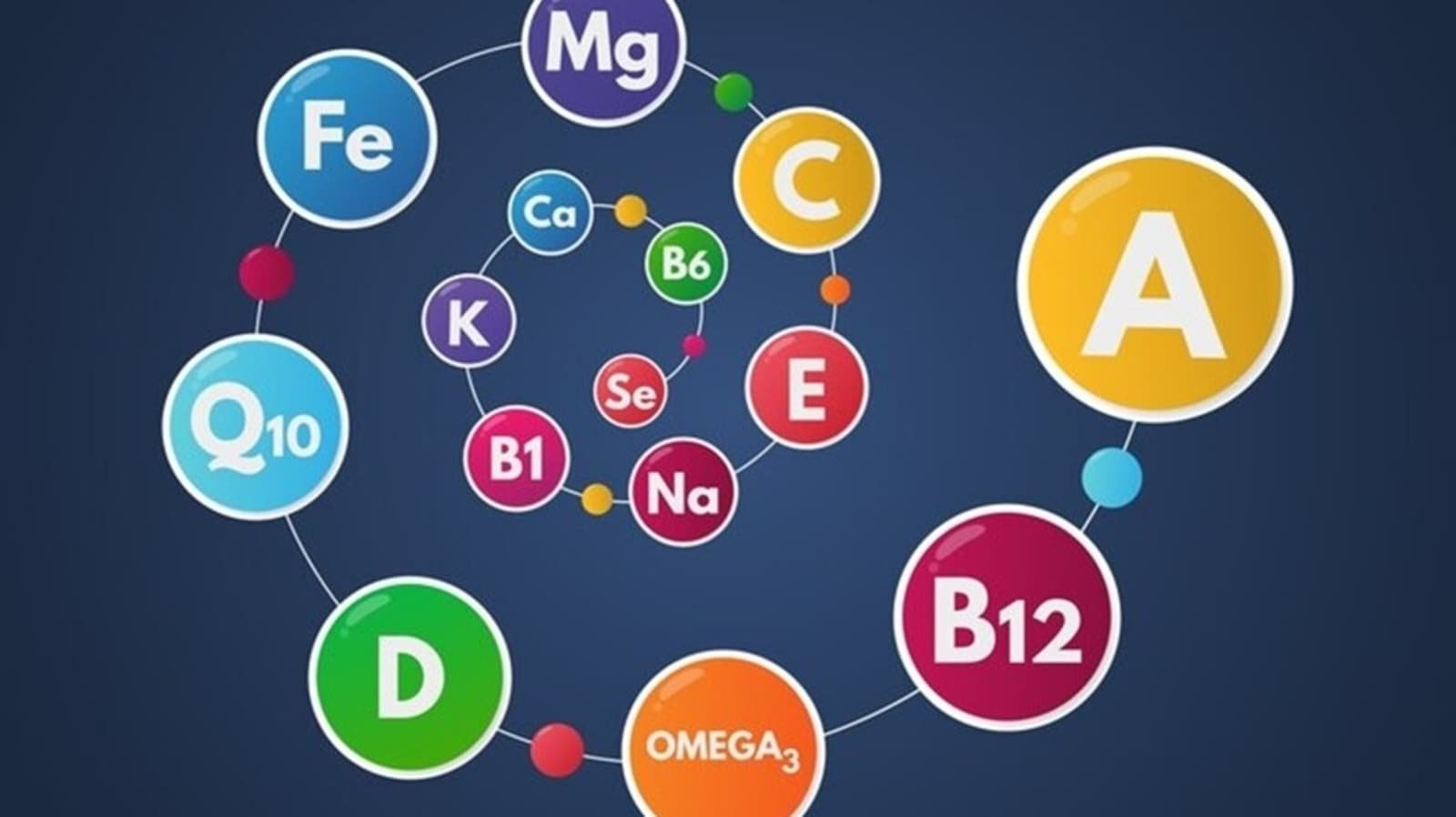
- Deficiencies in certain nutrients, such as vitamin D, vitamin B12, and selenium, can lead to decreased energy production and slowed metabolic rate.
/


View your photos in a new and improved layout
Published April 27, 2024 12:43 PM IST
Our body’s metabolic functions require certain nutrients to function properly. Vitamin B complex, iron, and iodine play important roles in metabolism. Nutritionist Manpreet Kalra shares seven nutrient deficiencies that can slow down your metabolism and their causes. (Freepik)
/

View your photos in a new and improved layout
Published April 27, 2024 12:43 PM IST
1. Vitamin D: An important nutrient that improves glucose uptake by cells and improves metabolism. To avoid becoming deficient in this important vitamin, try to get 10 to 15 minutes of sunlight each day. Fish liver oil, fatty fish meat, egg yolks, and cheese are some sources of vitamin D. Symptoms of vitamin D deficiency include fatigue, insomnia, bone pain, hair loss, and muscle weakness (Unsplash)
/

View your photos in a new and improved layout
Published April 27, 2024 12:43 PM IST
2. Vitamin B12: This is essential for the metabolism of carbohydrates, fats, and proteins. Fermented foods like dosas, kefir, and curd are good sources of vitamin B12. Symptoms of vitamin B12 deficiency include muscle weakness, difficulty walking, nausea, weight loss, and irritability. (Hindustan Live)
/

View your photos in a new and improved layout
Published April 27, 2024 12:43 PM IST
3. Selenium: This important nutrient improves thyroid function and increases metabolism. You can get selenium from Brazil nuts, hazelnuts, and sunflower seeds. Symptoms of selenium deficiency include immune dysfunction, cardiovascular effects, reproductive and fertility problems, thyroid dysfunction, neurological symptoms, and musculoskeletal abnormalities. (unsplash)
/

View your photos in a new and improved layout
Published April 27, 2024 12:43 PM IST
4. Zinc: It is involved in many metabolic processes, including protein synthesis and enzyme activity. To get enough zinc, eat pumpkin seeds, chickpeas, and cashews. Hair loss, skin and hair changes, eye problems, loss of taste or smell, and diarrhea are some of the obvious signs of zinc deficiency.
/

View your photos in a new and improved layout
Published April 27, 2024 12:43 PM IST
4. Copper: Plays a role in energy metabolism and iron absorption. Consuming copper containers of water, sunflower seeds, lentils, and hemp seeds will ensure adequate copper levels in your body. Signs of copper deficiency include anemia, hypothermia, bone fractures and osteoporosis, low white blood cell counts, irregular heartbeats, loss of pigment from the skin, and thyroid problems. (unsplash)
/

View your photos in a new and improved layout
Published April 27, 2024 12:43 PM IST
6. Iron: Improves metabolic activity and reduces fatigue. Green leafy vegetables such as dates, pomegranates, munakka, methi, and amaranth are important sources of iron. Yellow skin, unexplained fatigue, shortness of breath, increased heart rate, and headaches are signs of iron deficiency. (Adobe Stock)
/

View your photos in a new and improved layout
Published April 27, 2024 12:43 PM IST
