

In my 20s, I fueled my runs with chips, gummy bears, and as many cheesy burritos as I could make., Mountain climbing, camping trips. Now in my mid-30s, I’ve revamped my travel menu over the past two years to set a better example for my growing kids. I swapped Skittles for real fruit, drank LaCroix instead of beer, and Flaming Hot Cheetos are no longer a regular in my glove box. These days, when I stock up on snacks at the grocery store, my cart is overflowing with berries and carrot sticks.
But chip-eating is a tough habit to break. After all, what’s a camping trip without some good chips? On a recent snack-shopping trip, I scanned the rows of Lay’s and Doritos, quickly walking past all the fake stuff (except for cauliflower crackers and freeze-dried broccoli), but my eye was caught by the row of SunChips.
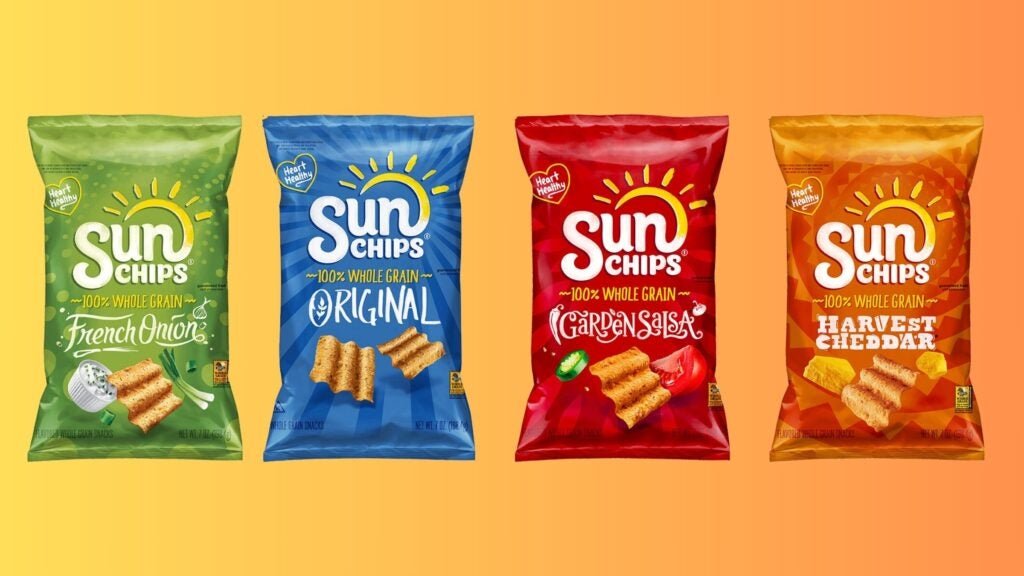
When I reached for the red Garden Salsa bag, a wave of nostalgia hit me. For me, growing up in the ’90s, SunChips were of Snacks. I distinctly remember enviously opening my childhood best friend’s pantry and grabbing the bag of French Onion Sun Chips that was always there.
SunChips appeals to health-conscious outdoor enthusiasts
Looking back, I don’t entirely understand the fuss. Sure, they’re delicious. Salty enough to make your mouth water, with a slightly sweet aftertaste. Each flavor is a little different, from the gentle tang of garden salsa to the burst of tart ranch. And there’s something about the crunch, the hearty bite that makes you feel like you’re biting into a solid snack. But there are plenty of other tasty chips out there. The secret to SunChips’ success, of course, is that millennials like me grew up thinking SunChips were better for you than regular chips.
When SunChips first launched in 1991, it promoted a healthy brand image: The bag featured the words “Multigrain Snack” in large letters next to a bright sun and wheat stalks. A few years later, the company added the statement “30% less fat than regular potato chips” to grab consumer attention. Diet culture in the ’90s. Even today, SunChips packaging says “100% Whole Grain” in big letters.
With flavors like Harvest Cheddar and Garden Salsa available at the time, who’s to blame? In addition to highlighting their ingredients and fat content, early SunChips also targeted outdoor enthusiasts specifically. One ’90s ad showed a desert landscape where a couple was enjoying the sunset atop their camper trailer while eating SunChips.
SunChips intentionally aligned itself with outdoorsy and sports-loving people to give the snack an air of health, so whether or not the claims were true, the brand doubled down. Many of its commercials featured puns about sunblock and sunscreen. Then, in 2008, SunChips hit store shelves in what it called the world’s first compostable bags.
But sustainable packaging and camping ads don’t equate to healthy food: Consumers actually rebelled against “noisy” SunChips bags, and two years after the marketing effort failed, the brand quietly returned to its quieter, albeit less eco-friendly, bags.
Are Sun Chips healthy?
Health has been a central theme of SunChips’ marketing campaigns for the past 33 years, convincing me that their chips were a healthier choice than other brands for at least a few decades. But as I recently reviewed my family’s summer shopping list, I began to wonder if I’d been duped.
According to registered dietitian Lauren Manaker, the answer is complicated. SunChips are actually made with whole grains, which are important for getting enough nutrients like B vitamins, iron, magnesium, and fiber. Without whole grains in your diet, you miss out on the protective antioxidant and anti-inflammatory properties found in these foods, which can increase your risk of chronic diseases like heart disease, type 2 diabetes, and some cancers.
That said, SunChips still contain salt and fat — 110 milligrams and 6 grams, respectively, per serving in the original flavor. Sodium and fat are important parts of a healthy diet, but Manaker says they should be consumed in moderation.
“Ideally, people get their whole grains from ancient grains, whole-grain breads, and other similar foods that don’t have a ton of salt or fat,” she says. “But most Americans miss out on that, so these can be a healthier option than fried potato chips.”
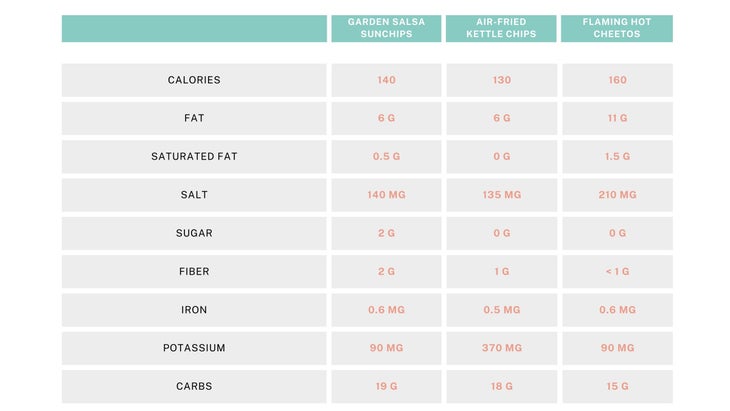
I compared the nutrition facts of SunChips Garden Salsa (my favorite), Kettle’s Air Fried Himalayan Salt Chips, and my secret treat, Flaming Hot Cheetos, and was surprised to see that Kettle’s was the healthiest overall. Cheetos has 11 grams of fat, SunChips and Kettle’s have 6 grams, and both SunChips and Cheetos have 0.5 grams and 1.5 grams of saturated fat, respectively, while Kettle’s has zero. Kettle has a whopping 370 milligrams of potassium and 2 grams of protein, while the other products have neither. As for sodium, Cheetos has 210 milligrams per serving, SunChips has 140 milligrams, and Kettle’s chips have 135 milligrams. And finally, despite touting whole grains, SunChips has 2 grams of fiber, a bit more than Kettle’s 1 gram and Cheetos’ less than 1 gram.
Numbers aside, as I strive to make fresh produce and simple whole grains a staple in my diet, I don’t think it would hurt to pick up some SunChips the next time I go shopping. I’m also trying to unlearn the “good food, bad food” trope that most millennials grew up hearing. I want my 2-year-old son to eat food because he’s hungry and it makes him feel good, not because I want to label his meals and snacks. So if I want to eat some Garden Salsa Chips for both of us while sitting in my camp chairs, that’s exactly what I’m going to do on my next shopping trip.
