

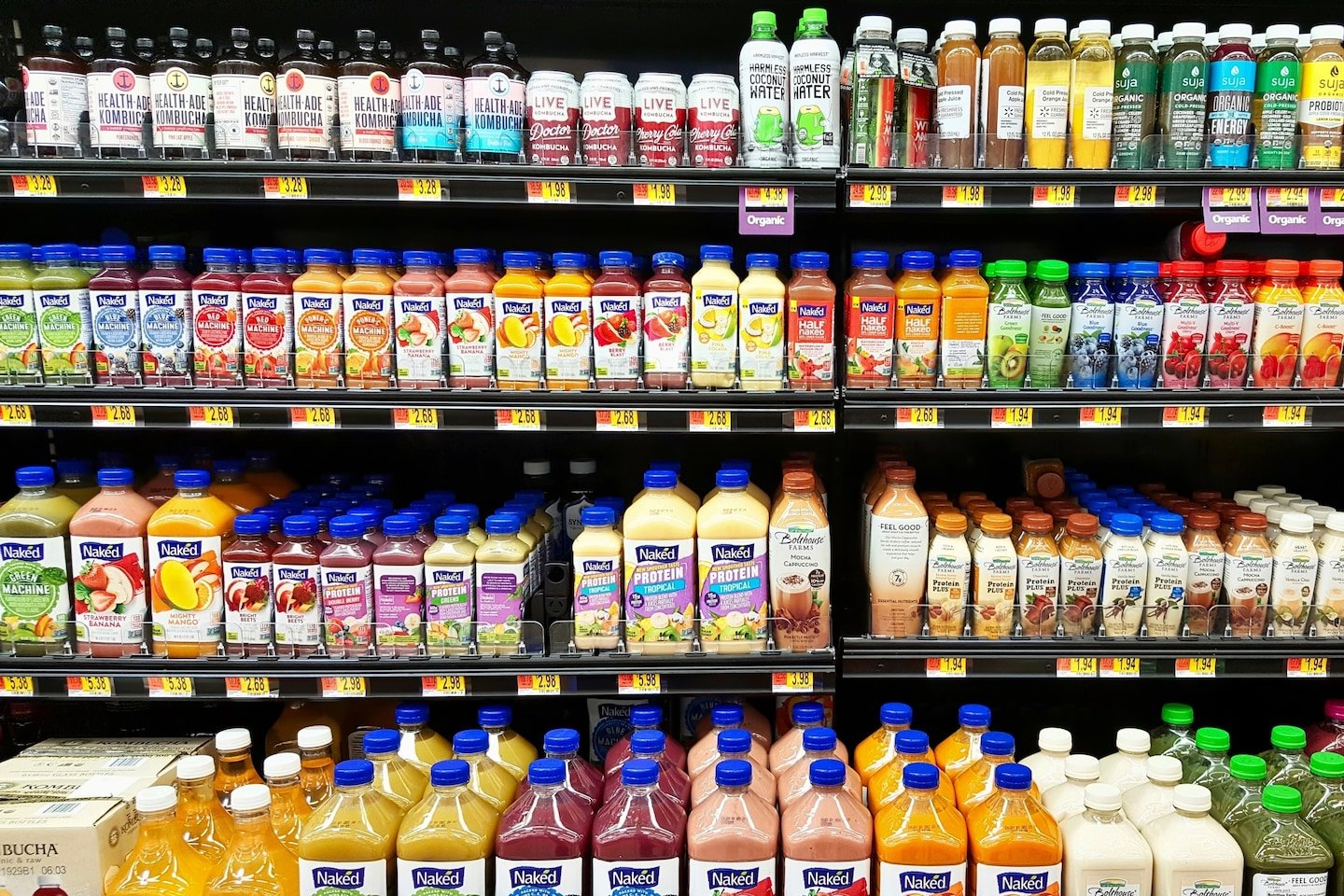
Called functional beverages in the beverage industry, they often contain ingredients once found only in supplements or herbal teas, such as probiotics, prebiotics, hibiscus, ashwagandha, and “medicinal” mushrooms.
And they’re popular: About 40% of adults these days want beverages that contain ingredients that are said to have health benefits, according to market research firm Packaged Facts. One possible reason is that consumers are feeling “pill fatigue,” said Howard Telford, senior industry manager of soft-drinks research at Euromonitor International, a strategic market-research firm in Chicago. Drinks are also seen as an easier, more enjoyable way to incorporate herbs and other supplements into their diet, he said.
Some of these drinks are better for you than sugary sodas and alcohol (even though they’re more expensive), but do they really provide the benefits they claim? Here’s what they’re actually good for.
The promise: a healthier gut
You’ve probably heard of probiotics and prebiotics, which are said to help keep your digestive system healthy. (The former are the beneficial bacteria that live in your gut and the latter serve as a “food source” for them.) You may also be familiar with kombucha, a fermented tea, or probiotic drink.
But recently, probiotics and prebiotics have been added to many cold drinks, and some are marketed as healthier versions of soda.
“Probiotics increase the number of healthy bacteria in your gut, aid in proper digestion and help reduce inflammation, which is at the root of heart disease and many other chronic diseases,” said Dalia Perelman, a research nutritionist at Stanford University.
But probiotic drinks may not have the same benefits as probiotic foods, like yogurt or kimchi, and Perelman says they’re more like a supplement in drinkable form.
That’s because beverages don’t contain the same diversity of bacteria found in food. Plus, Perelman says, food is fermented, which creates other beneficial compounds in the process. Raw (unpasteurized) kombucha and Spearfood Tonic, a drink containing the whey left over from making yogurt, are fermented. But probiotic sodas are not.
Speaking of prebiotic sodas, some contain added fiber from plants like inulin or chicory root. “In this case, you’re only getting the type of prebiotic that’s added, but you’re likely to benefit more from the range of prebiotics found in fiber-rich foods,” says Amy Keating, a nutritionist at Consumer Reports.
That said, these drinks are lower in calories and added sugar than traditional sodas, making them a healthy choice for those watching their sweet tooth. But be aware that some drinks contain stevia, and recent studies have raised concerns about the health effects of sugar substitutes, so consider limiting your intake.
Promise: Strengthen your health and immunity
From the labels on the bottles to the ingredient lists, these drinks certainly exude a “good for you” vibe.
For example, the company that makes Aura Bora sparkling water, which contains fragrant herbal extracts like lavender and elderflower, describes its drink as offering “earthly flavors and heavenly feelings.” Ruby says on its website that its sparkling hibiscus drink, which contains exotic juices like blood orange and Fuji apple, has “more than 1,000 benefits.”
One of many “green” drinks lining the refrigerated cases of grocery stores and delis, Naked Juice’s Green Machine features ingredients like kale and spirulina, and you can’t miss pictures of broccoli, spinach leaves, green apples, and kiwi on the label.
Wellness waters like Aura Bora and Ruby are a great alternative to regular carbonated water. Plus, they contain no added sugar or sugar substitutes. If you’re watching your calories, Aura Bora has no added sugar and Ruby has only 15 calories (from the juice).
As for produce-packed green drinks, “they’re an easy, convenient way to get vitamins and minerals from your diet,” says Tracy Brigman, M.D., a clinical associate professor of nutrition at the University of Georgia in Athens.
But remember that green drinks are not a substitute for vegetables, as they contain little to no of the healthy fiber found in raw vegetables. Also, some green drinks are actually mostly fruit juice (not vegetable juice), which, although naturally occurring, contains sugars that can add calories and cause blood sugar spikes.
So, if you like green drinks, it’s wise to choose one that has vegetables high on the ingredients list.
Mood-boosting drinks are fast becoming the new cocktail of choice: instead of soothing alcohol, drinks like Recess and Droplet claim to get their relaxing effects from “adaptogens” like ashwagandha and mushrooms, and nutrients like magnesium, all of which are said to help the brain and body cope with stress.
These drinks offer flavorful, non-alcoholic alternatives to wine and cocktails. But most of the research on adaptogens has been limited to animals, and the few human studies have been very small, Brigman said.
For example, one study found that people who took 250 to 600 milligrams of ashwagandha per day for eight weeks had reduced feelings of stress and levels of the stress hormone cortisol, but the 2019 study, published in the journal Cureus, only measured stress levels in 58 people.
Additionally, “the potency and efficacy of any plant-derived ingredient varies depending on where and how it was grown, when it was harvested, and which part of the plant was used,” Brigman said. Some brands list the amount of adaptogens they contain, but it’s not clear what an effective “dose” of adaptogens is.
Additionally, researchers have found that adaptogens may interact with medications for autoimmune diseases, high blood pressure, depression, etc. So “people should always talk to their health care provider before adding adaptogens to their diet,” Brigman said.
Copyright 2024, Consumer Reports Inc.
Consumer Reports is an independent, nonprofit organization that works with consumers to create a fairer, safer, and healthier world. CR does not endorse products or services and does not accept advertising. For more information, visit ConsumerReports.org.
