

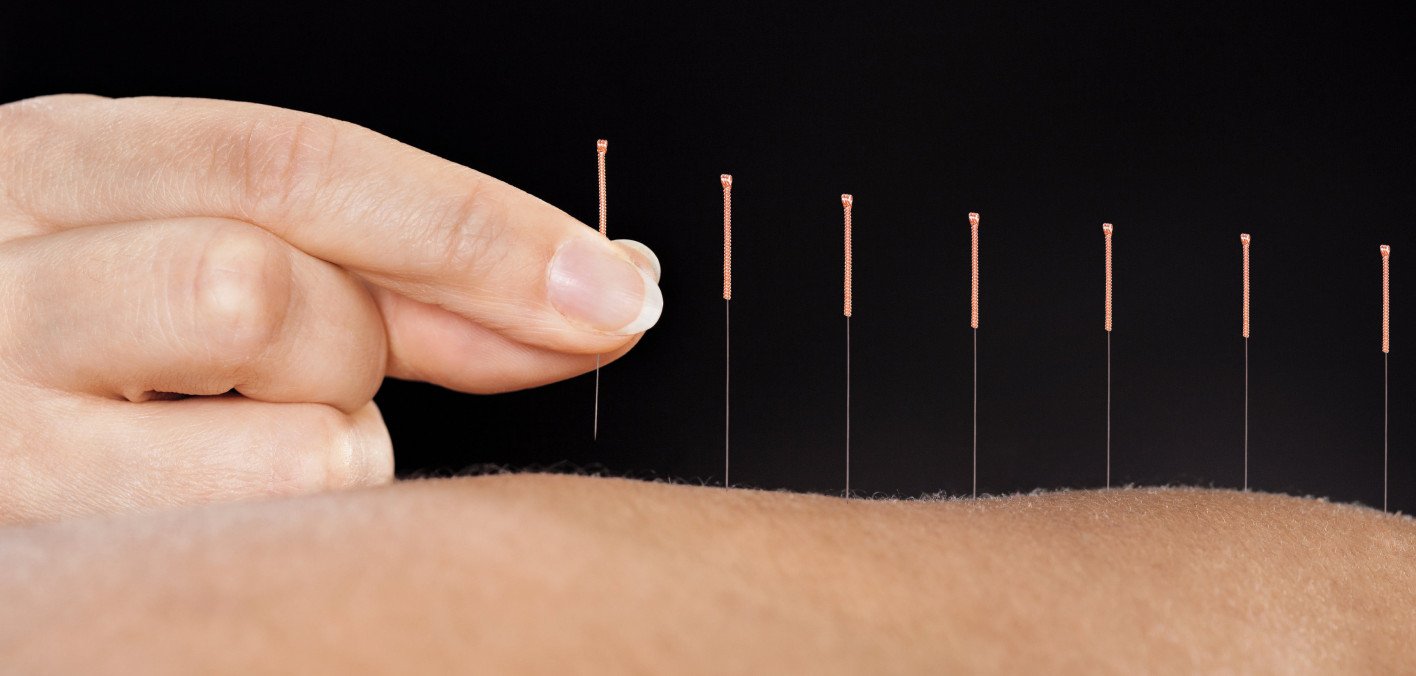
Acupuncture and massage therapy both reduce pain, reduce opioid use, and improve fatigue, insomnia and quality of life in patients with advanced cancer, according to results of a randomized clinical trial published in JAMA Network Open It is said that he did.
“Further research is needed to assess how best to integrate these approaches into pain treatment to optimize symptom management for the growing number of patients with advanced cancer,” the study authors concluded.
In addition to traditional cancer treatments, integrative oncology uses mind-body practices, natural products, and lifestyle modifications from various traditions. Complementary therapies aim to optimize health and improve quality of life throughout cancer treatment.
Compared to pharmaceuticals, complementary approaches are less supported by data from clinical trials. One reason for this is that there are no big profits to be made. However, there is growing evidence to suggest that acupuncture in particular may be beneficial. Studies have shown that it improves insomnia and reduces neuropathic pain caused by chemotherapy and joint pain caused by hormone therapy.
Andrew Epstein, M.D., of Memorial Sloan Kettering Cancer Center, and colleagues compared the effects of acupuncture and massage therapy on musculoskeletal pain in patients with advanced cancer. Recent guidelines recommend both acupuncture and massage for cancer pain, but their comparative effectiveness is unknown.
Opioids and other medications are often the mainstay of pain management for patients with advanced cancer, but side effects and drug interactions have raised concerns about polypharmacy, or the use of multiple drugs, in this population. The study authors noted this as background.
The Integrative Medicine Trial for Pain in Patients with Advanced Cancer, or IMPACT (NCT04095234), was a multicenter study conducted from September 2019 to February 2022 at Memorial Sloan Kettering Cancer Center-affiliated sites in New York, New Jersey, and Florida. A collaborative randomized controlled study. It was previously presented at this year’s American Society of Clinical Oncology annual meeting in June.
The study included 298 adults with advanced cancer who were experiencing moderate to severe pain and had an estimated life expectancy of at least six months. Two-thirds were women, the majority were white, and the average age was about 59 years. Approximately 80% had solid tumors (mainly breast, lung, prostate, gynecological, and gastrointestinal cancers), and approximately 20% had blood cancers. One-third reported opioid use at the start of the study.
Participants were randomly assigned to weekly 30-minute acupuncture or massage therapy sessions for 10 weeks, with monthly “booster” sessions for up to 26 weeks. The primary endpoint of the study was change in worst pain intensity score from baseline to week 26, as measured by the Brief Pain Inventory. At baseline, the worst pain score was 6.9 on a scale of 0 to 10, and the average duration of pain was almost 4 years.
During the 26-week treatment period, worst pain scores decreased by 2.53 points in the acupuncture group and 3.01 points in the massage group. The difference between the two interventions was not statistically significant. Additionally, 28% of the acupuncture group and 36% of the massage group who used opioids at baseline were able to reduce their drug use. Patients in both groups also experienced improvements in fatigue, insomnia, and quality of life, but again, there were no significant differences between the two.
Both treatments were well tolerated, and adverse events were mild and temporary. Seven percent of patients receiving acupuncture reported bruising, and 15.1% of the massage group reported temporary pain.
“The durable effects of acupuncture observed in this study are consistent with the results of other large randomized clinical trials of acupuncture for pain in the general population and in cancer survivors with chronic pain. ”, the study authors wrote. “Consistent with previous research on pain in cancer patients, acupuncture also reduces fatigue and insomnia, highlighting the ability of acupuncture to jointly address multiple symptoms that occur simultaneously in cancer patients with high symptom burden. doing.”
However, the researchers noted that because the study did not have a control group that did not receive either type of treatment, it is difficult to interpret whether the pain reduction was due to the intervention or a placebo effect. admitted.
They pointed out that Medicare currently only covers acupuncture for chronic low back pain, not massage for pain. “Given that patients with advanced cancer often experience pain in multiple locations as a result of their disease or oncological treatment, promoting fair and effective pain management in cancer patients requires the use of massage as well as other pain treatments. “We need to expand Medicare coverage to include these areas,” they urged.
The authors noted that some study participants continued to receive painkillers in addition to acupuncture and massage. “Our data should not be interpreted to mean that drugs should be replaced with acupuncture or massage, but rather that these non-pharmacological interventions may improve pain and symptom control while reducing drug use.” “It is thought that there is a sexual relationship between humans and humans,” the researchers wrote. “Further research is needed to understand how best to integrate these non-pharmacological therapies into current pain management strategies to create efficient and effective patient-centered care.”
Click here to learn more about complementary therapies for cancer.
Click here for the special feature on cancer pain.
