

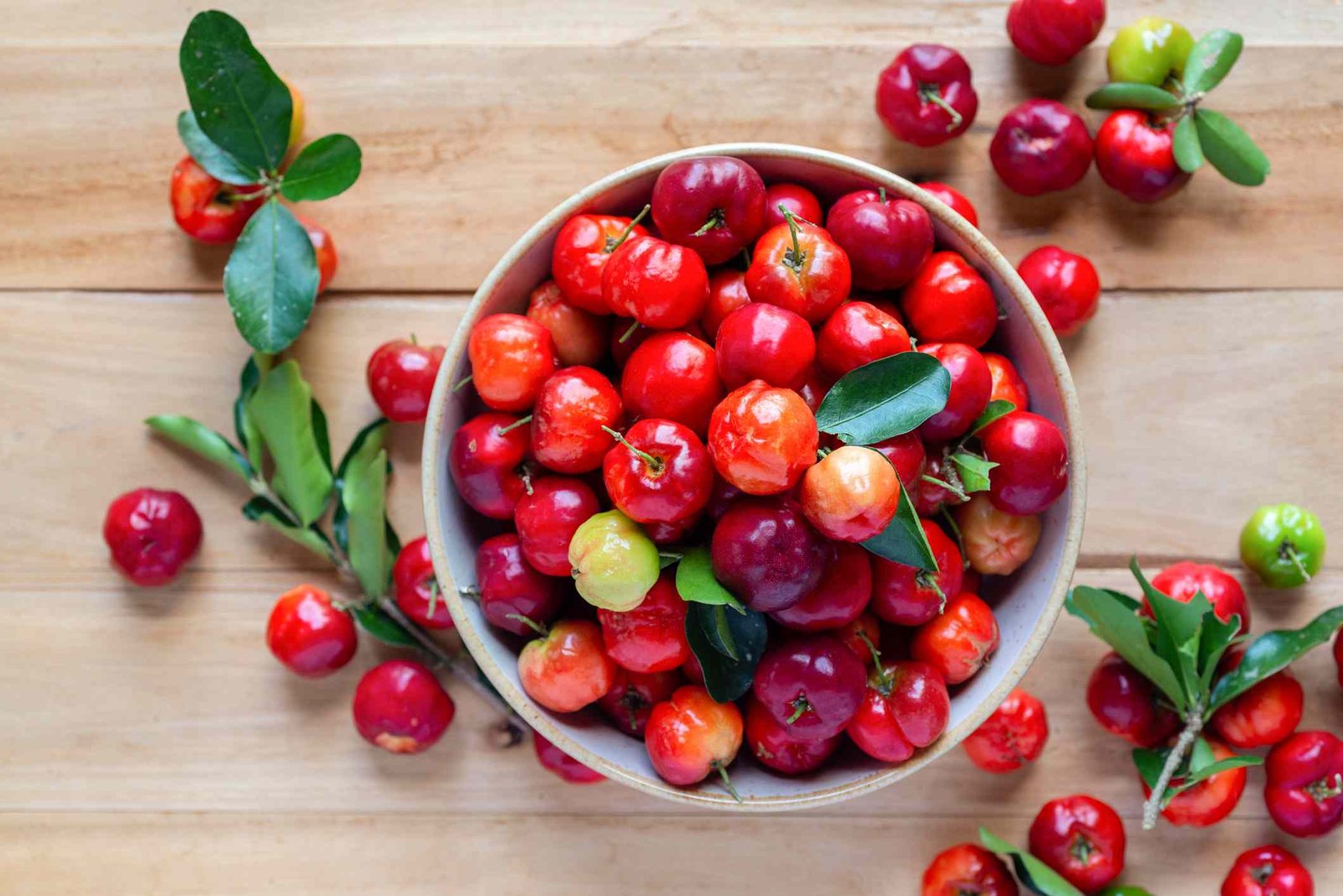
Acerola is a small cherry-like fruit known for its extremely high content of Vitamin C, a powerful nutrient that supports the immune system. Malpighia emarginataAcerola is commonly known as Barbados cherry or West Indian cherry. This vibrant red fruit also contains a variety of other nutrients, including vitamin A, thiamin, riboflavin, and niacin.
Across cultures, acerola has traditionally been used for its medicinal properties, especially for treating colds and maintaining healthy skin. Acerola can be consumed fresh, in juice or supplement form. The fruit is particularly important in Latin American cuisine, where its refreshing taste and health benefits make it a popular addition to health-promoting juices and smoothies.
Eating acerola provides powerful immune support: This fruit is extremely rich in vitamin C, with one cup providing over 1,800% of the recommended daily value (DV).
Vitamin C plays a vital role in boosting immune system function. It works by stimulating the production and function of white blood cells, which are essential for defending the body against infection.
Regular consumption of acerola can boost Vitamin C in the body, helping to reduce the duration and severity of colds and other respiratory illnesses, thus maintaining overall health and resilience.
In addition to its immune-boosting properties, acerola also exerts significant anti-inflammatory effects. This fruit contains high concentrations of antioxidants, including vitamin C and various polyphenols, which help reduce inflammation in the body. Research shows that the anti-inflammatory effects of acerola are primarily due to the polyphenolic compounds present in this fruit.
Antioxidants such as polyphenols neutralize harmful compounds called free radicals, which if left unchecked can build up and cause oxidative stress, leading to cellular damage and contributing to a chronic inflammatory state.
Including antioxidant-rich foods like acerola in your diet may help relieve symptoms associated with inflammatory diseases and reduce your risk of developing certain cancers and heart disease.
Another notable benefit of acerola is its potential to boost skin health. Acerola’s high levels of Vitamin C aid in the production of collagen, the skin’s main structural protein. Collagen helps maintain skin’s elasticity, firmness, and overall smoothness.
Regular consumption of acerola may help prevent signs of aging, such as wrinkles and fine lines, by promoting collagen production and preventing oxidative damage to skin cells. The antioxidants in this fruit may also help protect your skin from the harmful effects of UV rays and environmental pollutants.
Eating acerola can also aid digestion: it is a natural source of dietary fiber, which promotes healthy bowel movements and helps prevent constipation. Fiber also helps regulate blood sugar levels by slowing the absorption of sugar into the bloodstream, helping to prevent blood sugar spikes and crashes.
Acerola may also have a positive effect on your gut flora, the microorganisms that live in your digestive tract. Research shows that consuming more dietary fiber can help feed the beneficial bacteria in your gut, which may impact your overall health and reduce your risk of disease.
One study found that consuming acerola may have a positive effect on the gut microbiome, although this data was based on a study using rats. Further human studies are needed.
One cup of acerola contains:
- calorie: 31
- fat: 0 grams (g)
- sodium: 6 milligrams (mg)
- carbohydrates: 7.5 g
- fiber: 1 gram
- Added Sugars: 0 grams
- protein: 0 grams
- Vitamin C: 1650 mg or 1,833% of the recommended daily value (DV)
The same serving size also provides smaller amounts of several vitamins and minerals, including vitamin A, magnesium, potassium, thiamine, riboflavin, and niacin.
The fruit is also a source of phenolic compounds, flavonoids, anthocyanins and carotenoids, which have powerful antioxidant properties.
Although acerola has numerous health benefits, there are some potential risks associated with its consumption: People with a history of kidney stones should exercise caution when consuming excessive amounts of acerola, as excessive intake of vitamin C may increase the risk of stone formation.
And while vitamin C is not usually harmful, taking too much can cause side effects like diarrhea, nausea, and stomach pain. The recommended upper limit for vitamin C for adults is 2,000 mg per day. To avoid side effects, avoid consuming more than 1 cup of acerola per day.
Some people may experience allergic reactions to acerola, including itching, swelling, and difficulty breathing. People who have had allergic reactions to fruits of the Malpighia family, such as Nandina, should refrain from using acerola.Billsonima crassifolia) and calisa (Bilsonima vervasifolia)—Acerola should be avoided.
If you can’t consume acerola, try some alternative fruits that offer similar health benefits: Fruits like kiwi, guava, and strawberries are good sources of vitamin C and also contain other beneficial compounds like flavonoids and antioxidants. If you already have a fruit allergy, talk to your healthcare professional before choosing a fruit substitute to make sure the food is safe for you.
Acerola is a nutritional powerhouse that can add a generous amount of Vitamin C to your diet. Here are some ways to include acerola in your diet:
- snack: Enjoy fresh acerola cherry as a convenient, vitamin-packed snack or blend the fruit into a smoothie for an easy nutritional boost.
- meal: Add acerola cherry puree to your morning oatmeal or yogurt for extra antioxidant benefits, or mix it into salad dressings and sauces to add a tangy flavor.
- drink: Acerola juice can be enjoyed as is or added to other fruit juices for a refreshing taste, and can also be used to create exotic cocktails and mocktails.
To extend shelf life, store fresh acerola cherries in the refrigerator, preferably in a breathable container or paper bag.
For longer storage, consider freezing your acerola. Arrange the fruit in a single layer on a baking sheet and freeze individually, then transfer to a freezer-safe container or bag. Frozen acerola will keep for up to 6 months.
Acerola, commonly known as Barbados cherry or West Indian cherry, is a tropical fruit known for its extremely high vitamin C content. Rich in antioxidants, vitamins and minerals, acerola offers numerous health benefits, including boosting the immune system, promoting skin health and improving cardiovascular function.
Its high nutritional value makes acerola a valuable addition to any diet, whether eaten raw, in a smoothie, or as part of a variety of recipes. By incorporating acerola in moderation into your daily routine, you can take advantage of its powerful health benefits to support your overall wellness.
