

By Ujjaini Roy Has been updated: June 6, 2024
Karonda is perhaps one of the most overlooked Indian berries. Packed with essential nutrients and antioxidants, this vibrant Indian berry is worth keeping an eye on this season. Let’s take a closer look.

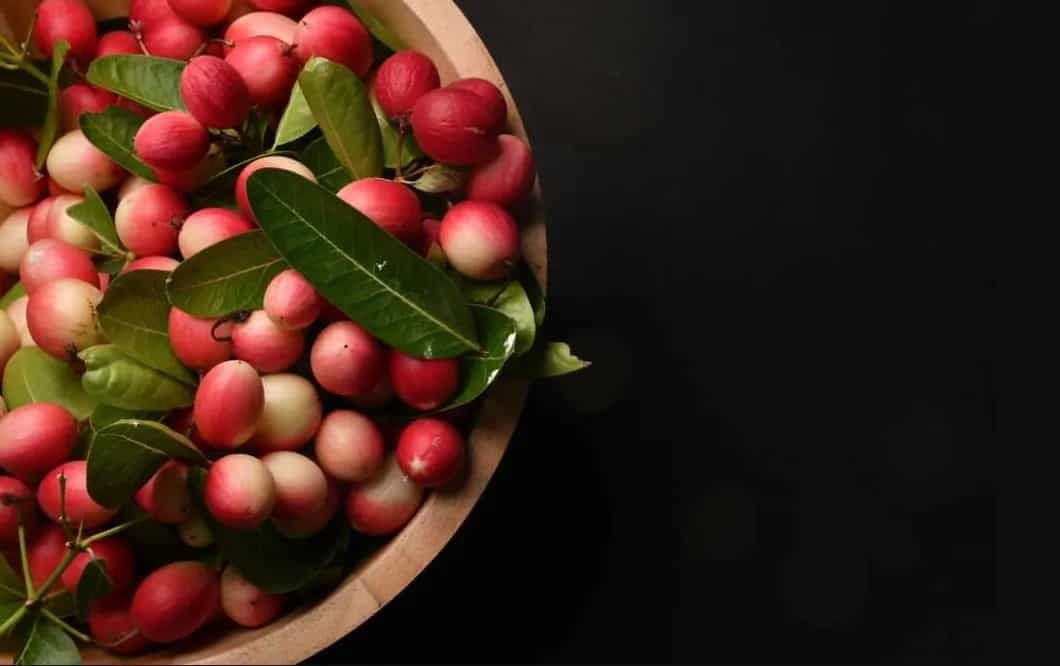
India has some of the tastiest and most nutritious seasonal berries in summer – beel, rasola, amla etc. Karonda or Bengal currant is a small sour berry that grows on the karonda shrub native to the Indian subcontinent, especially eastern and northern India. As a child, you might have seen this small coral-colored berry growing in your neighbour’s garden. It is widely cultivated in tropical and subtropical climate regions.
Karonda berries are often used in traditional Indian cuisine for their tangy flavour and are prized for their nutritional benefits as they contain a range of vitamins, minerals and antioxidants that contribute to overall health and wellbeing. Let’s take a closer look at some of their nutritional benefits.
Karonda berries are small, round fruits that are usually 1-2 centimetres in diameter. They have a shiny, smooth skin that turns from green to reddish purple when ripe. Karonda berry flesh is juicy and slightly sour with a small seed in the centre. Karonda berries can be eaten fresh, dried or pickled and are commonly used in Indian cuisine in chutneys, jams, preserves and drinks.
Apart from its culinary uses, karonda berries also have medicinal properties and are used in traditional Ayurvedic medicine to treat a variety of ailments. It is believed to have cooling and diuretic properties and is used to ease digestive problems, boost immunity and promote overall health and wellbeing. Let’s take a look at its nutritional properties:
Karonda berries are an excellent source of vitamins, especially vitamin C. Vitamin C is an essential nutrient that plays a key role in immune function, wound healing, and collagen production. One serving of Karonda berries can meet a significant portion of your daily recommended intake of vitamin C, supporting overall health and immunity.
Karonda berries contain a variety of minerals, including calcium, phosphorus, and iron. Calcium and phosphorus are essential for bone health, while iron is needed to produce red blood cells and transport oxygen throughout the body. Including karonda berries in your diet can help ensure you are getting enough of these important minerals to support your overall health and vitality.
Karonda berries are rich in antioxidants, including phenolic compounds and flavonoids. These antioxidants help protect the body against oxidative stress and free radical damage. Regular consumption of antioxidant-rich foods, such as karonda berries, may help reduce the risk of chronic diseases, including heart disease, cancer, and neurodegenerative disorders.
Karonda berries are an excellent source of dietary fiber, which is important for digestive health and regular bowel movements. Fiber promotes satiety, regulates blood sugar and supports healthy cholesterol levels. Including karonda berries in your diet can help support digestive function and promote overall gastrointestinal health.
Karonda berries are low in calories and fat, making them a healthy snack option for anyone trying to manage their weight or maintain a balanced diet. They provide plenty of flavor and nutrition without adding extra calories or unhealthy fats to your diet.
