

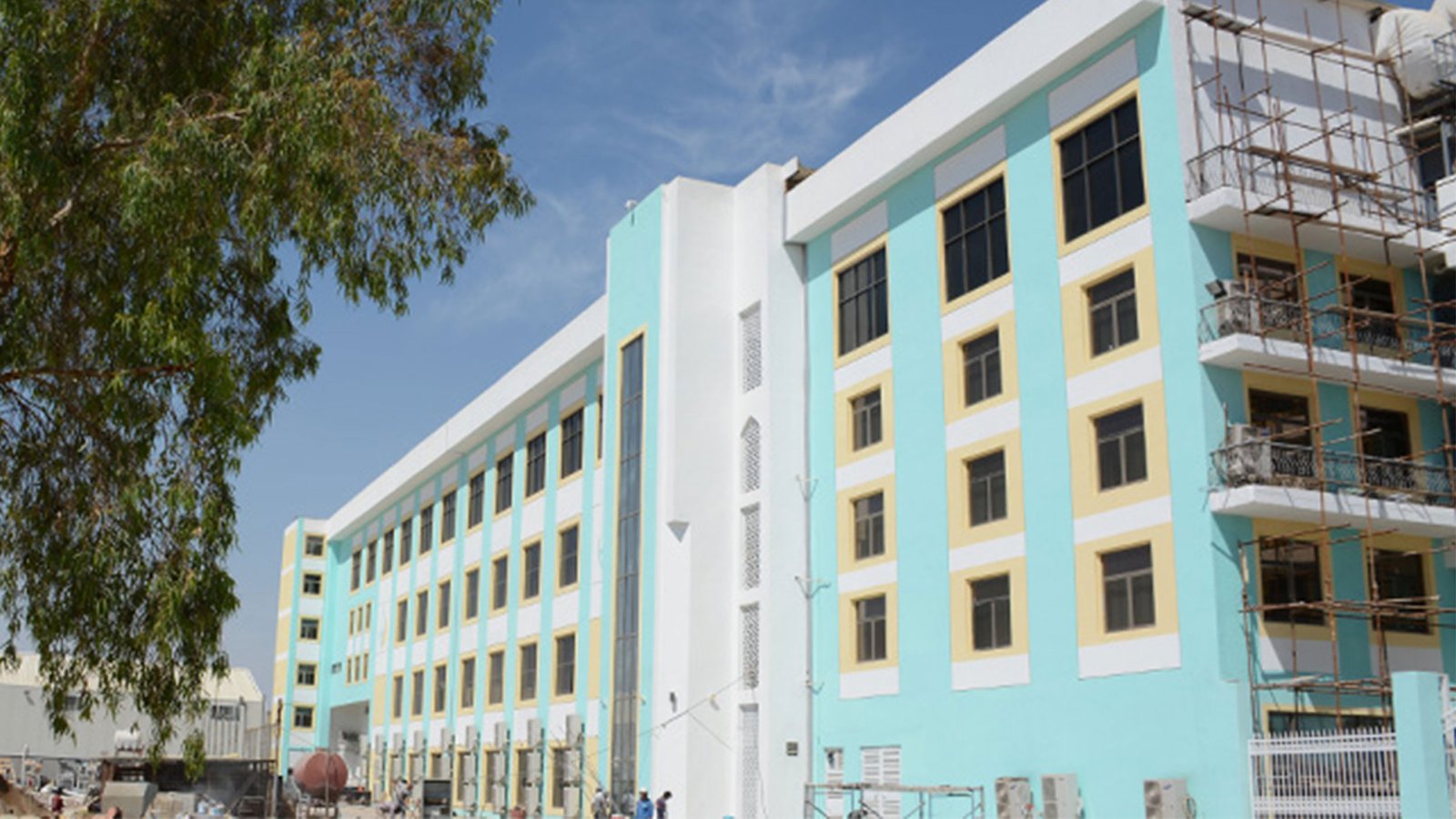
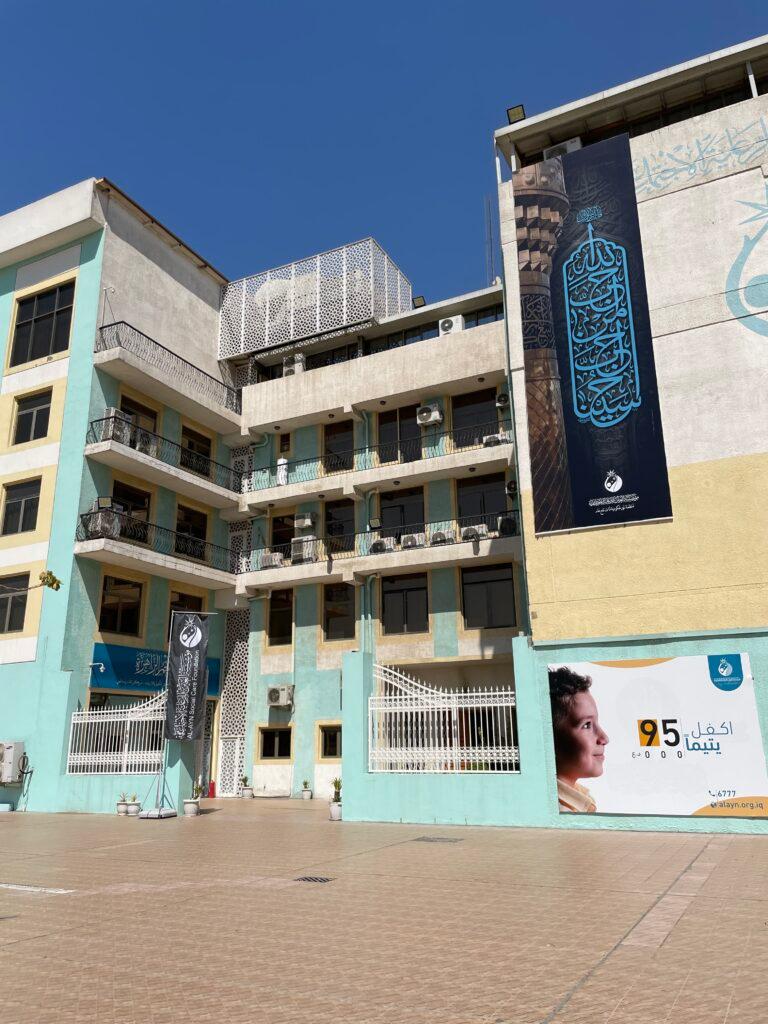
Every month, families in need come to the Luminous Stars Center in Baghdad to collect financial support.
During their stay, mental health workers will take the opportunity to examine the children. Many of them have been traumatized by decades of war in the country and have lost one or both parents.
“The children who come to Luminous Stars are basically being given a second chance at life,” Kausar Hamed, a volunteer doctor at the center, said in a video posted online. “These children are typically ignored because they are too complicated to deal with, if they have been quite traumatized by their circumstances or have conditions that are seriously affecting them.” , and may be ignored by society.
According to the 2021 report of the Office of the High Commissioner for Human Rights in Iraq, there are 5 million orphans in the country. This number also includes those who have lost only one parent, usually the father.
And while the country’s rebuilding efforts often focus on housing and food, the mental health of children is often overlooked, especially among the most vulnerable segments of the population.
Luminous Stars, known locally as Anjum Zahira, hopes to fill some of the gaps through its mental health rehabilitation center, which serves around 3,000 orphaned youth.
The center is part of the larger Al Ain Social Welfare Foundation, which was established in Iraq in 2006, several years after the US-led invasion of Iraq. Al Ain supports orphaned and displaced families, which expanded further after the ISIS onslaught, leaving even more children orphaned.
“The idea to establish a rehabilitation center started after one of the female orphans committed suicide in 2014.”
Haydar Mezal Khalaf, Psychologist, Luminous Stars
“The idea of establishing a rehabilitation center began in 2014 after one of the female orphans committed suicide,” said Haydar Mezar Khalaf, a psychotherapist at Luminous Stars.
The incident highlighted the urgency of addressing children’s psychological needs, he said.
“So we started using cognitive behavioral therapy. [CBT] and set up a medical program under the supervision of Dr. Saleh Dumade, who is based in London. ”
Due to the sensitive nature of protecting the privacy of children and families seeking assistance, The World was unable to speak directly to the center’s clients.
holistic approach
Observations to assess children are usually carried out on soft play areas. A soft play area is a colorful indoor play area designed with soft padded materials. Initial assessments are done while children are playing, so they don’t feel stigmatized or like they’re being evaluated in a hospital.
“We have psychology researchers in the room educating people on how to recognize if a child is in need of psychological help,” Khalaf said. “The same person also observed the children while they played to see which children were becoming isolated or aggressive. They would then send them to a rehabilitation center.”
Ali Hassanali, executive director of New York-based Al Ain USA, said in an online video that their settings are about protecting children’s dignity, “not making them feel vulnerable, not making them feel like they are “It’s about not making children feel like they’re being judged, and giving them fair recognition.” A sense of belonging that they are just here to play. ”
He goes on to say that the layout was intentional. Some areas are high or low, light or dark.
“You see there’s no lighting in the back, right? So the idea here is to assess whether they’re afraid of the dark. So we can figure out exactly what that child is struggling with. A lot of other psychological evaluations are done to find out, so we can essentially provide them with the targeted services they need.”

Merad Ali, another psychotherapist at the Baghdad centre, said that although they primarily focus on children, they also take a holistic approach and provide support to mothers. Ta.
“Most of these families live with other relatives, who sometimes interfere with childcare,” she says. “They may also blame the mother, which can lead to them projecting their frustrations on the children.”

One of the things the center is trying to do is break down stereotypes and taboos around mental health care. Ali said families who come to Luminous Stars know they are in a safe place and are happy to accept help.
The center also provides vocational training to help children transition into adulthood when they grow up. This includes lessons in many skills such as cosmetology, mobile phone repair, IT skills, catering, etc., which will help you earn a decent living later.

Expanding services
Al Ain Foundation has offices around the world to support efforts on the ground.
It expanded its offices in Europe, the United States, and Australia, allowing it to tap into funds from Iraqis, other Arabs, and Muslims living abroad.

Currently, the Luminous Stars Center in Baghdad is fully operational, two other centers are operating in satellite locations, and there are plans to establish at least 12 more centers across the country.

Mr. Hassanali, of the New York office, said he had revised some of the wording to refer to children as “orphans” rather than “orphans” to remind children that they are not products of their circumstances.
“We want to ensure that no matter what trauma or hardship a child has experienced in the past, it will never have an impact on their future.”
