

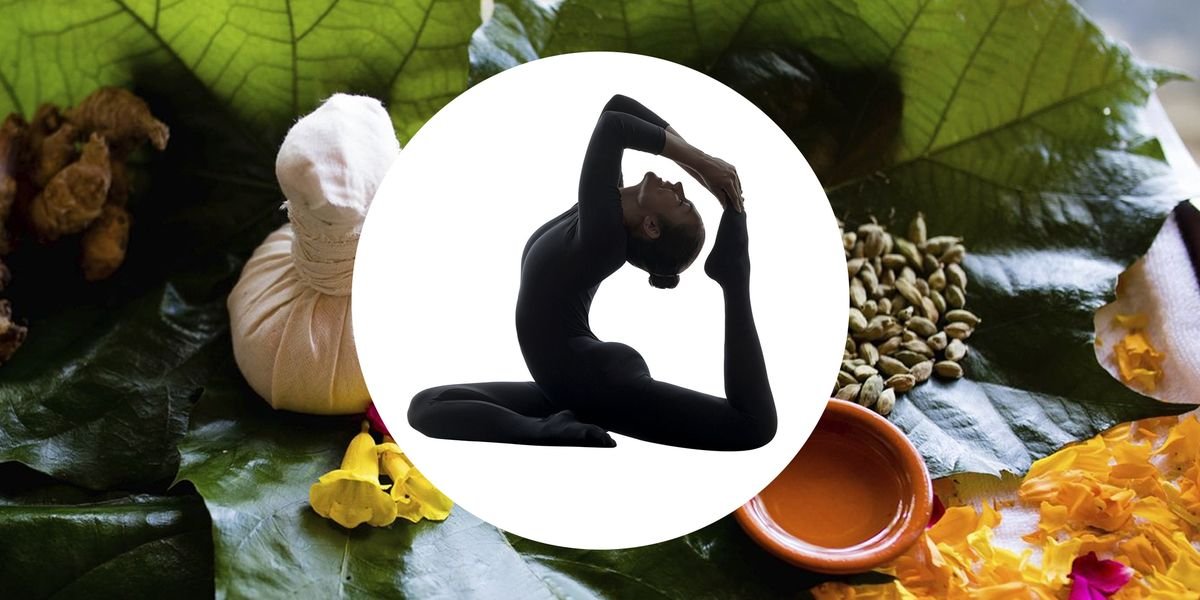
Despite the state-of-the-art facilities, Ayurvedic retreats rely on tried-and-true ancient healing methods, such as the 21-day Panchakarma detox treatment, with meditation and yoga featuring prominently.
Ananda in the Himalayas
Kinwani, India
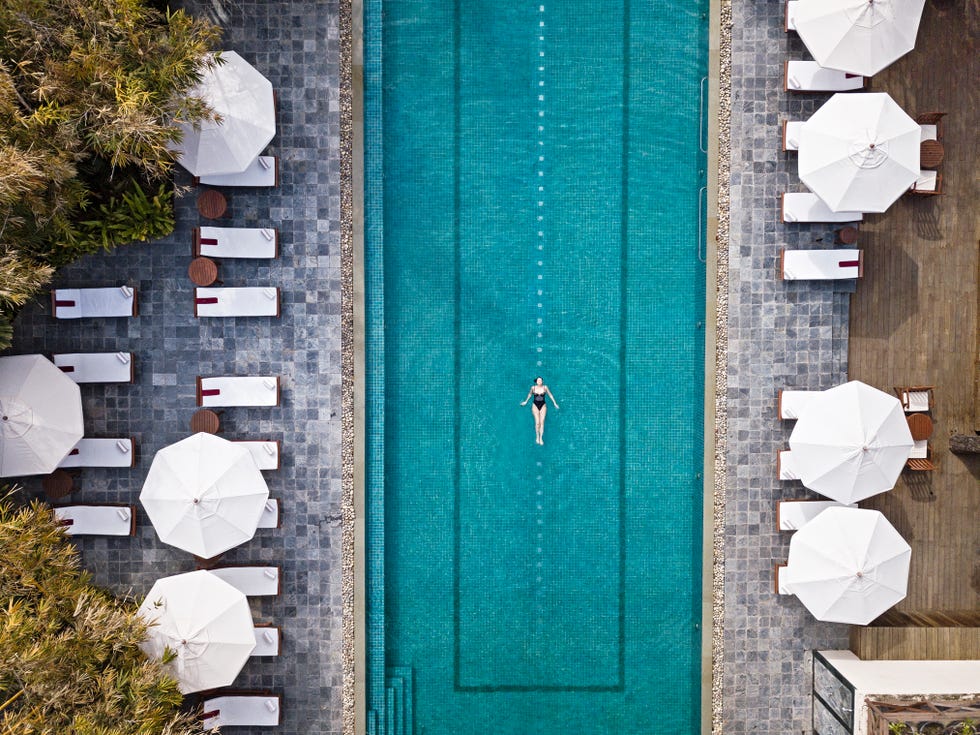
Though Ananda sticks to old-fashioned therapies, its 24,000-foot spa and pool are modern.
The atmosphere at Ananda couldn’t be more warmer: a Maharaja’s home spread across 100 acres of forest at the foot of the Himalayas, overlooking the sacred city of Rishikesh, India, known as the birthplace of yoga.
Regimen: Founded in 2000 as a stress reliever, Ananda is staffed by a team of Ayurvedic physicians, Reiki masters, and disciples of Swami Parthasarathy, the celebrated philosopher of Vedanta (the pursuit of higher consciousness). They oversee 15 different programs, ranging from a five-night menu of yoga, stress management, and active fitness to a signature 21-day Panchakarma cleanse (preferred by 15% of guests). Every stay begins with an Ayurvedic consultation to determine your dosha (space-air, fire-water, earth-water) and health goals. The results are reflected in everything from the herbal oils used for massages in the 24,000-square-foot spa to the food recommendations. Most programs include daily yoga, a reminder that this is a mindfulness practice, not a workout.
Benefits: There’s a cooking studio, an infrared sauna, a physiotherapy facility with a gait analyzer, and dramatic locations that invite you to do things like trek to the Kunjapuri temple at sunrise or watch the Ganga Aarati ceremony on the banks of the Ganges at sunset.
Six Senses Vana
Dehradun, India
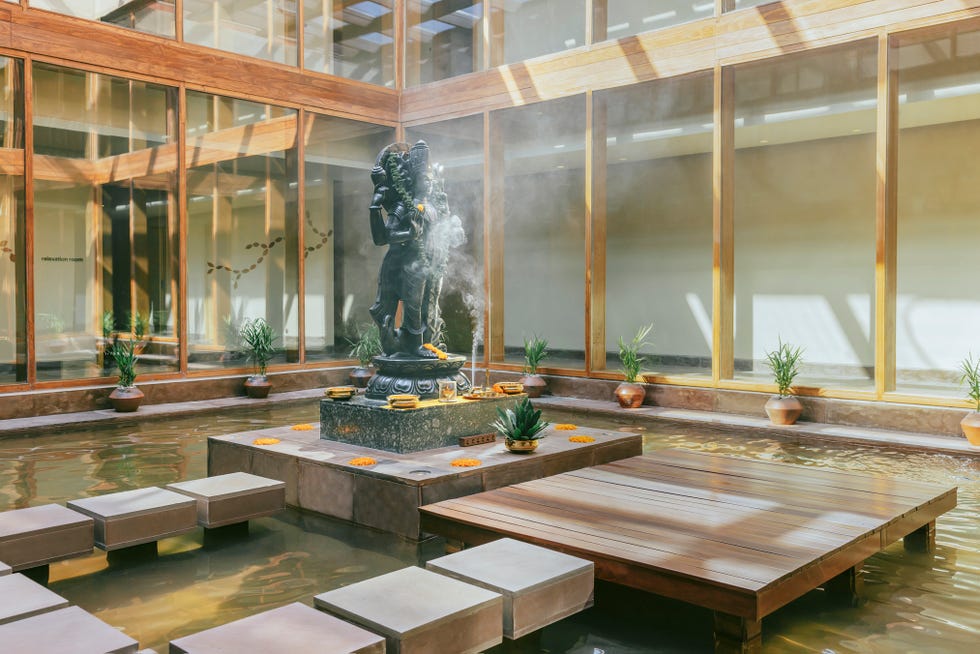
The Vana ashram has long been an object of obsession for many people.
This luxury ashram, located in the foothills of the Himalayas near Rishikesh, was hard to get into even before Six Senses acquired it in 2022 and reopened it as the hotel brand’s first wellness retreat. Between 45% and 60% of guests were repeat visitors, with 20% returning annually and a few booking quarterly.
Regimen: Eastern therapies remain at the heart of the program, and many of Vana’s former staff, including therapists trained at the Dalai Lama’s Institute of Tibetan Medicine and Astronomy, are still in high demand. A typical schedule involves 10 to 12 sessions a day, ranging from sound therapy and gam meditation to Tibetan medical treatments like dag, a massage that uses herbal compresses to release energy blockages. But the strict seven-night commitment has been relaxed to three, Ayurvedic meals now have a gourmet twist (no two meals are the same for nearly two weeks), and biohacking tools and high-tech health tests are now available.
Benefits: The already excellent service is taken to the next level with the attention to detail of professional monkey chasers, ensuring you don’t get scared while forest bathing on the 21-acre property.
Engel Ayurpura
South Tyrol, Italy
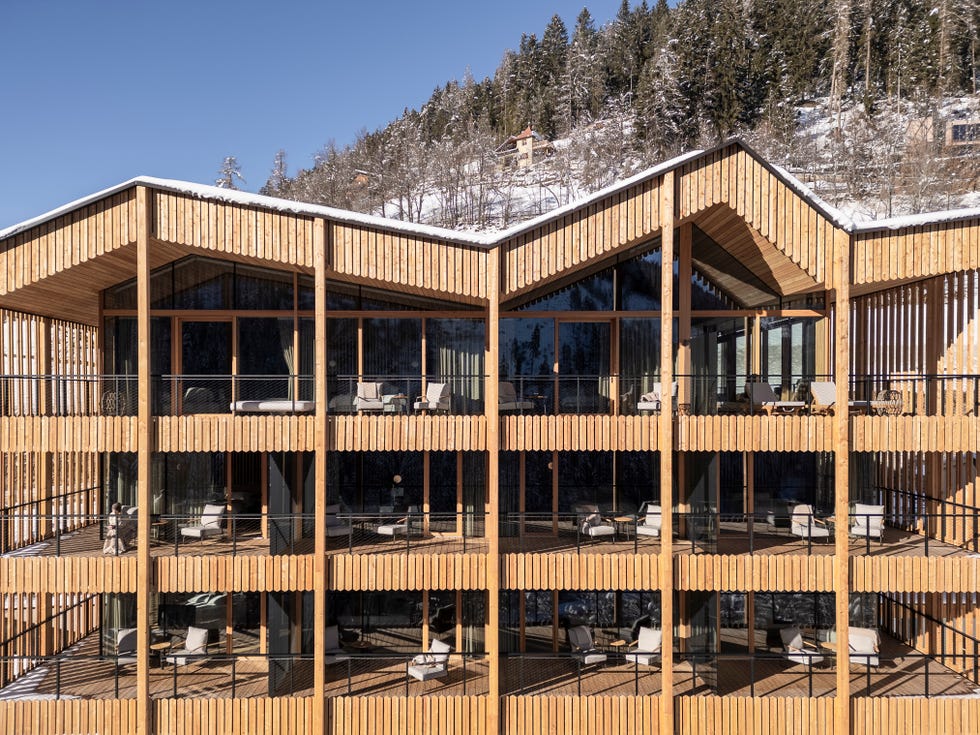
East meets West at this chalet-style Ayurvedic spa in the Dolomites.
Think of the Dolomites’ first dedicated Ayurvedic spa (which opened last November) as an alpine ashram, with 15 chalet-style rooms decorated with reclaimed wood and a team of Ayurvedic experts overseen by Dr Swami Nath Mishra, one of India’s top pulse doctors (doshas are determined by pulse readings).
Regimen: Programs range from four- or five-day treatments to 14- or 21-day panchakarma packages featuring 27 to 36 treatments (such as shirodhara, in which warm oil is applied to the forehead to balance the body and mind), as well as dry brush massages, detox baths and week-long buhinga fasts that cleanse the body with a liquid diet of diluted juices and vegetable soups.
Benefits: A panoramic sauna, numerous local trails and a year of free support from the team, including two Zoom consultations with Dr Mishra after checking out.
Datu Wellness
Laticastelli, Italy
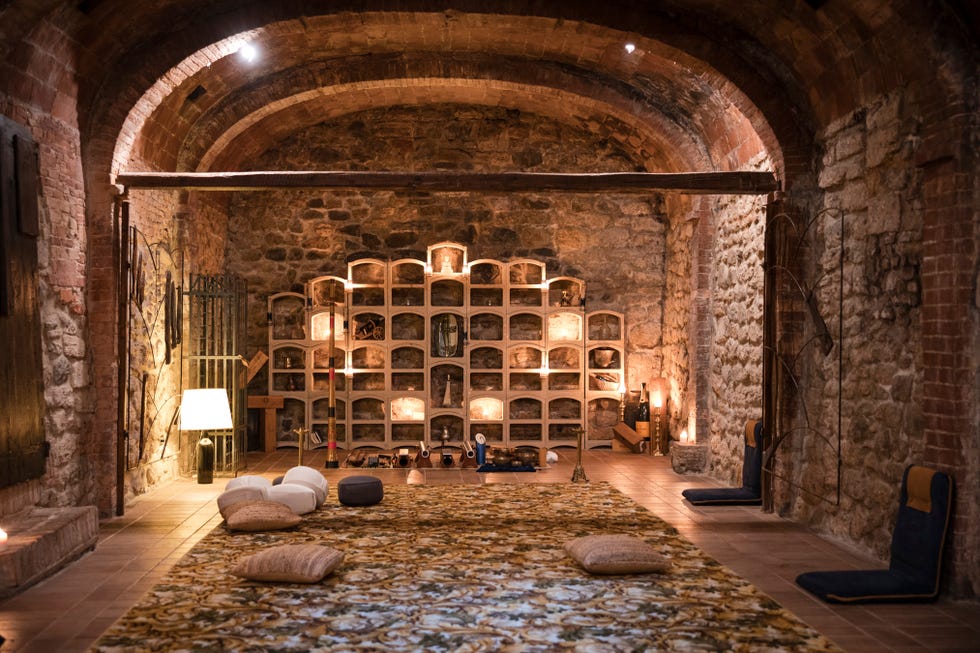
This Ayurvedic spa on the outskirts of Siena offers chanting in a former wine cellar.
The Tuscan countryside conjures up images of laid-back hedonism, but what better way to truly reset than surrounded by views of vineyards and olive groves? Year-old Datu has brought an incredible team of healers and practitioners from top Indian institutions Ananda Spa, Vana and Bihar Yoga School to the 12th-century Borgo, 20 minutes outside Siena.
Regimen: The week-long retreat is packed with activities: Days start at 7am and typically include four 30- to 50-minute yoga sessions, chanting in a candlelit wine cave (if that’s your thing), soaks in hot springs, talks on Sowa Rigpa (Tibetan healing) and Buddhist philosophy, and one-on-one consultations with Ayurvedic doctors who can recommend treatments like acupuncture and marma massages, as well as dosha-appropriate diets.
Benefits: Whatever your dosha, the food will be amazing, with ingredients sourced from nearby producers and a menu created by a Michelin-starred chef working with Ayurvedic cooks.
This story will appear in our Summer 2024 issue Town & Country. Subscribe now

Jen Murphy is a journalist specializing in fitness, wellness and active travel. She is The New York Times And the author Yoga (Manual).
