

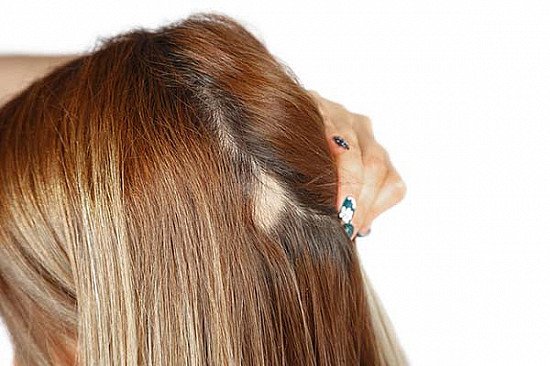
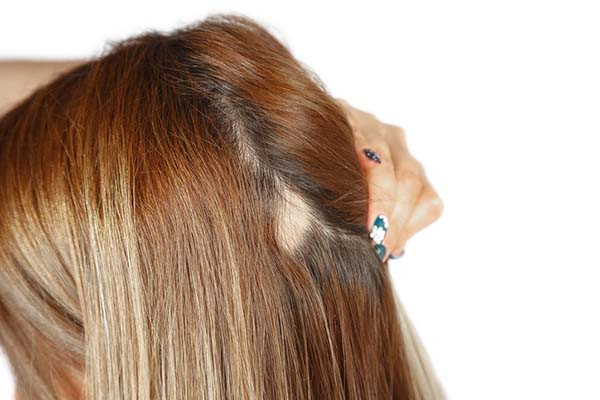
Your diet can have a big impact on your hair health, and addressing nutritional deficiencies can help treat and prevent hair loss. However, not all vitamin and mineral supplements are effective against hair loss, and some can be harmful if taken in excess.
Understanding Hair Loss: Common Causes and Factors
Hair loss is a common condition that can cause emotional stress. While hair loss can be a normal part of the aging process, it can also be caused by a variety of other causes and factors. These include:
- Genetic and inflammatory disorders
- Cancer and Cancer Treatment
- Hormonal fluctuations
- stress
- pregnancy
- Vitamin and mineral deficiencies
- Certain medicines
- Significant weight loss in a short period of time
- Recent surgery or illness.
The most common type of hair loss, affecting both men and women, is male pattern baldness, also known as male pattern baldness or female pattern hair loss. Male pattern baldness is an inherited condition that causes hair to gradually thin after puberty. Hair loss usually follows a specific pattern, such as a receding hairline and balding on the top of the head in men, and thinning at the part in women.
Telogen effluvium (TE) and alopecia areata (AA) are two other common types of hair loss. In TE, sudden, severe hair loss occurs 1-6 months after a major stressor. Stressors include emotional stress, serious illness, crash dieting, major surgery, and pregnancy. AA is an autoimmune disease that causes sudden, circular patches of hair loss. The cause of AA is unknown, but it is commonly seen in people with thyroid disease.
Male pattern baldness, telogen effluvium and alopecia areata are types of non-scarring alopecia, meaning that hair loss does not damage the hair follicles or the scalp itself (leaving no “scars”). With proper treatment and time, hair will regrow. Approximately 73% of all cases of alopecia fall into this category.
The Role of Vitamins and Minerals in Hair Health: Essential Nutrients for Strong, Healthy Hair
A variety of vitamins and minerals are involved in new hair growth. They also boost the immune system, which is necessary for healthy hair. Specific vitamins and minerals that contribute to hair health include:
- Vitamin A
- Vitamin B2 (Riboflavin)
- Vitamin B3 (Niacin)
- Vitamin B7 (Biotin)
- Vitamin B9 (Folic Acid)
- Vitamin B12
- Vitamin C
- Vitamin D
- Vitamin E
- iron
- selenium
- zinc.
Filling in the gaps through diet and supplements: do they help hair growth?
Getting enough vitamins and minerals is important in preventing and managing hair loss, and most people can get all the nutrients they need through a healthy, balanced diet.
However, your doctor may recommend supplements if your blood tests show that you are deficient in certain vitamins or minerals. For example:
- Vitamin D. Vitamin D is essential for making the cells that become hair follicles. It also supports healthy bones and the immune system. If you’re experiencing hair loss and have low vitamin D levels, your doctor may recommend vitamin D supplements.
- iron. Iron carries oxygen to hair follicles and promotes hair growth. If you are experiencing hair loss and laboratory tests show you have an iron deficiency, iron supplements may be recommended. Supplements should be taken as directed by a doctor, as too much iron can be toxic.
- Vitamin C. Vitamin C is needed to absorb iron from your diet, so if you have both hair loss and iron deficiency, vitamin C supplements can help.
The scientific evidence supporting the benefits of vitamin A, vitamin E, zinc, selenium, and the B vitamins is conflicting.2 (riboflavin), vitamin B3 (Folic acid), Vitamin B7 (Biotin), Vitamin B12 If you have alopecia, your doctor can give you advice tailored to your needs based on clinical test results.
It is also important to understand that taking too much of certain vitamins and minerals can be harmful. For example, taking too much vitamin A or selenium can increase hair loss. Also, taking too much vitamin A or iron is toxic. Biotin (vitamin B7Vitamin B1, a popular vitamin found in skin, hair, and nail supplements, may interfere with lab tests that include evaluation of thyroid function and certain hormone levels.
Vitamin and mineral deficiency and hair loss
A deficiency in vitamins and minerals that are essential for healthy hair can cause hair loss. As mentioned above, your doctor can check for vitamin and mineral deficiencies with a blood test and make recommendations based on the results. Addressing deficiencies through diet and supplements can help prevent hair loss and promote hair growth.
However, deficiencies in these micronutrients are rarely the only cause of hair loss: if your hair loss is caused by other underlying conditions or specific stressors, diet and supplements may not have a noticeable effect.
