

Eating collagen-rich foods, such as chicken, and foods that promote collagen production, such as berries, can have a positive effect on your skin and overall health.
“Your diet plays a surprisingly big role in how your skin looks and feels,” Krista Gonsalves, a certified holistic nutritionist, told Healthline, “and it all has to do with collagen.”
Collagen is a protein that gives skin its structure, flexibility and elasticity. As we age,
This explains the recent craze for collagen supplements advertised on social media feeds and in store shelves. But are collagen supplements better than the collagen we get from our food? And what foods are high in collagen, anyway?
The main difference between collagen found in supplements and collagen found in foods is in bioavailability, or the body’s ability to use the nutrient.
“Foods like bone broth contain collagen in a bioavailable form that your body can use immediately, making them a better option than supplements,” says registered dietitian Carrie Gabriel, MS, RDN. However, it’s important to note that there is limited research to support the claim that collagen in foods is more bioavailable.
Since over-the-counter supplements aren’t regulated by the Food and Drug Administration (FDA), it’s probably safer to stick to a dietary plan to boost collagen.
Eating foods that are rich in collagen or that promote collagen production will also help produce the building blocks (amino acids) needed to achieve your skin goals.
“There are three amino acids that are important for collagen synthesis: proline, lysine, and glycine,” says registered dietitian and beauty expert Katey Davidson, MScFN, RD, meaning all three contribute to the process of making collagen in your body.
Although many people think of bone broth as a great source of collagen, it actually doesn’t contain much.
Bone broth is made by simmering animal bones in water, a process that is thought to extract collagen.
“Because bone broth is made from bones and connective tissue, it contains calcium, magnesium, phosphorus, collagen, glucosamine, chondroitin, amino acids, and many other nutrients,” Davidson says, “but every bone broth is different depending on the quality of the bones and other ingredients used.”
If you still want to include bone broth in your diet, try making it yourself by sourcing bones from a reputable local butcher, so you can be sure of the quality of the broth. Add spices to the broth to add flavor.
There’s a reason why many collagen supplements are derived from chicken: chicken is relatively rich in protein. If you’ve ever cut up a whole chicken, you’ve probably noticed how much connective tissue chicken contains. These tissues make chicken a rich source of dietary collagen.
a
However, the collagen content of chicken varies depending on the cut of meat – thigh meat, for example, contains more collagen than breast meat.
Like other animals, fish bones and ligaments are made of collagen, and some claim that marine collagen is one of the most easily absorbed collagens.
But while a tuna sandwich at lunch or salmon with dinner can certainly boost your collagen intake, keep in mind that the “meat” of the fish contains less collagen than the other (less desirable) parts.
“The parts of the fish that are most high in collagen, like the head, scales, and eyes, are often not eaten,” says Gabriel. If these don’t look particularly appetizing, you might try a marine collagen supplement instead.
Although eggs do not contain the connective tissue that other animal foods have, egg whites contain relatively
Vitamin C is
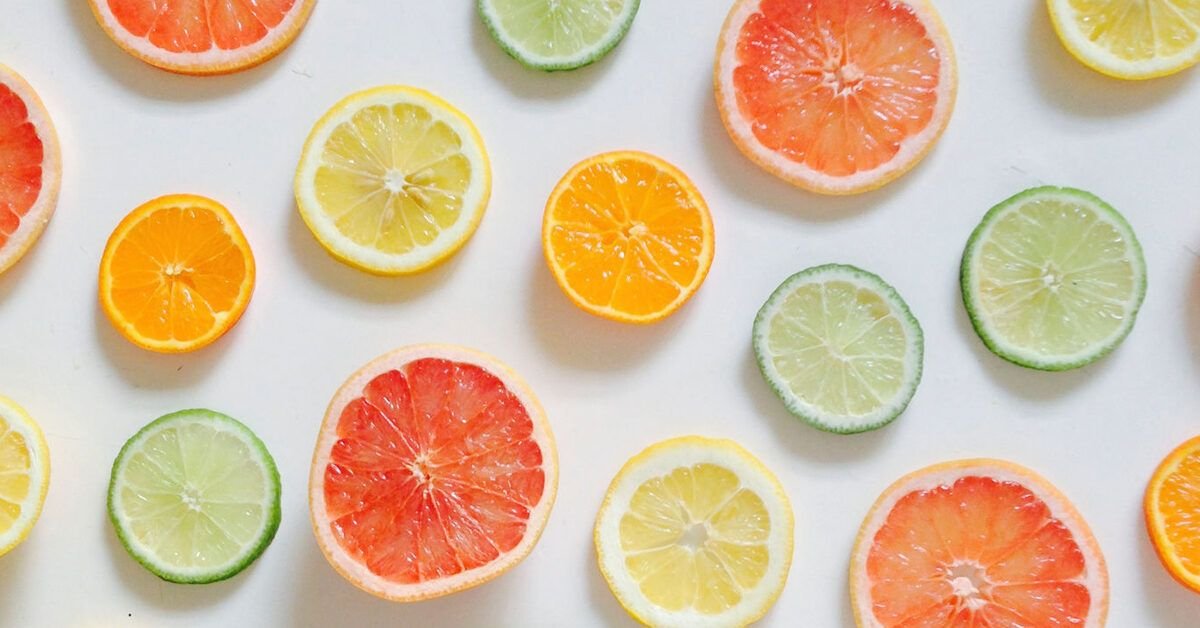
Citrus fruits like oranges, grapefruit, lemons, and limes are rich in this nutrient. Try having roasted grapefruit for breakfast, adding orange slices to a salad, or tossing yellow peppers in a stir-fry.
Learn more about foods high in Vitamin C.
Citrus fruits tend to be known for their vitamin C content, but berries are also great sources of vitamin C. Strawberries, raspberries, blueberries, and blackberries are all high in vitamin C.
“Berries are also rich in antioxidants that help protect your skin from damage,” Davidson says.
Rounding out the list of fruits rich in vitamin C are tropical fruits such as mango, kiwi, pineapple and guava. Guava also contains small amounts of zinc, another cofactor in collagen production.
Garlic not only adds flavor to stir-fries and pasta dishes, but it also boosts collagen production.
According to Gabriel, “Garlic is high in sulfur, a trace mineral that aids in collagen synthesis and prevents collagen breakdown.”
But it’s important to note that dosage matters: You’d probably need to consume large amounts to get the collagen benefits, she says. While this may not be realistic, its potential benefits make it worth incorporating garlic into your daily diet.
Is it possible to have too much garlic?
While garlic is safe in normal amounts, consuming too much garlic (especially raw) can cause heartburn and stomach upset, and can increase the risk of bleeding if you’re taking blood thinners, so avoid consuming excessive amounts of garlic just to get your collagen.
Leafy greens are an essential part of a healthy diet, and they may even have some great benefits for your skin.
Spinach, kale, Swiss chard, and other salad vegetables get their color from chlorophyll, a compound known for its antioxidant properties.
“Several studies have shown that consuming chlorophyll increases collagen precursors in the skin,” Gabriel says.
Beans are a high protein food
Next time you snack on nuts, try cashews – these filling nuts contain zinc and copper, which boost your body’s ability to produce collagen.
Another hidden source of vitamin C, one medium tomato contains a significant amount of this nutrient, which is important for collagen synthesis. Tomatoes are also rich in lycopene, a powerful antioxidant.
When adding tomatoes to your salads or sandwiches, add bell peppers too: These vegetables are rich in vitamin C and also contain capsaicin, an anti-inflammatory compound.
To help your body maximize its collagen production, eat collagen-rich animal and plant foods, as well as fruits and vegetables rich in vitamins and minerals.
And if you don’t like the foods on the list, remember that they aren’t your only sources: a diet high in protein-rich foods, both plant and animal, can help provide these important amino acids.
Other nutrients that aid in collagen production include zinc, vitamin C, and vitamin E. Therefore, fruits and vegetables that are rich in vitamins and minerals are also good for supple skin.
It’s also a good idea to avoid too much sugar and refined carbohydrates, such as white bread and pastries, which can cause inflammation and inhibit collagen synthesis.
Sometimes it can be hard to get a wide variety of foods in your diet, and some experts question whether eating collagen-rich foods really can tighten skin.
Stomach acid
Also, because dietary collagen for anti-aging is still a relatively new area of research, many experts are hesitant to draw any firm conclusions.
Still, some of the research looks promising.
Eating more collagen-rich foods can benefit your skin, hair, and nails. Options include chicken, fish, bone broth, and egg whites. Plant-based foods high in vitamin C, such as citrus fruits and leafy vegetables, also support collagen synthesis.
There is limited research on how helpful oral collagen is, but it may be worth focusing on adding more of these foods to a varied, balanced diet.
Sara Garrone (NDTR) is a registered dietitian, freelance health writer, and food blogger. She lives in Mesa, Arizona with her husband and three children. Find her sharing down-to-earth health and nutrition information and (mostly) healthy recipes on A Love Letter to Food..
