


Packing your bags and moving to a Mediterranean country may not be the easiest thing to do, but there’s one easy way to get closer to that beautiful part of the world. We’re talking about the Mediterranean diet, which was named the best diet of 2024 by US News and World Report and is also one of the best weight loss diets according to experts. The Mediterranean diet offers positive effects on heart health and allows you to bring the Mediterranean vibe into your home.
It’s a nutritious, non-restrictive diet that works for many people, and if that sounds appealing, here’s everything you need to get started on the Mediterranean diet. But be sure to check with your doctor before embarking on any new diet plan.
What is the Mediterranean Diet?
The Mediterranean diet is inspired by the traditional diet of people living along the Mediterranean coast. Although diets vary from country to country, the Mediterranean diet consists primarily of plant-based foods, seafood, lean poultry, whole grains, nuts, beans, olive oil, herbs and spices. Highly processed foods are restricted in the diet, so it is important to eat as many fresh foods as possible.
Green Mediterranean Diet
A recent popular variation on the Mediterranean diet is the Green Mediterranean Diet, which eliminates meat altogether instead of the occasional red and processed meat that is part of the standard Mediterranean diet, and instead emphasizes plant-based foods.
There are three recommended amounts of calories and protein you should consume each day: 100 grams Duckweed (An aquatic plant usually grown in a shake), 3-4 cups of green tea and 1 ounce walnutsA 2021 study found that variations of the Green Mediterranean Diet may be healthier for your heart than the original diet. It may also be more effective at preventing and managing chronic disease. A 2022 study found that the diet may benefit brain health as we age.
read more: The Atlantic Diet: Why Eating Local, Whole Foods Improves Your Health
Benefits of the Mediterranean Diet
The Mediterranean diet has many health benefits and is perfect for kosher, vegetarian, or budget-conscious people.
Heart Health
The diet’s best-known benefit is that it may boost heart health: A 2019 study concluded that the Mediterranean diet may lower the risk of stroke and heart disease, while a 2021 study found that the diet’s low saturated fat content may slow the process of plaque buildup in your arteries.

Brain Health
The Mediterranean diet promotes brain health as we age. A 2021 Alzheimer’s study found that the Mediterranean diet may lower the risk of dementia and other risk factors for Alzheimer’s. It may also improve memory and cognitive function.
Potential for weight loss
This diet may help you lose weight and keep it off in the long term: A 2020 study found that participants who lost at least 10% of their body weight on the Mediterranean diet were two times more likely to keep the weight off.
Remember, no diet is complete without exercise. If you’re serious about losing weight, add daily exercise to your routine in addition to your new diet. Be sure to consult with your doctor to find the right diet and exercise plan for you.
read more: Does blood type affect heart health? Yes, but here’s the full story
How does the Mediterranean diet work?
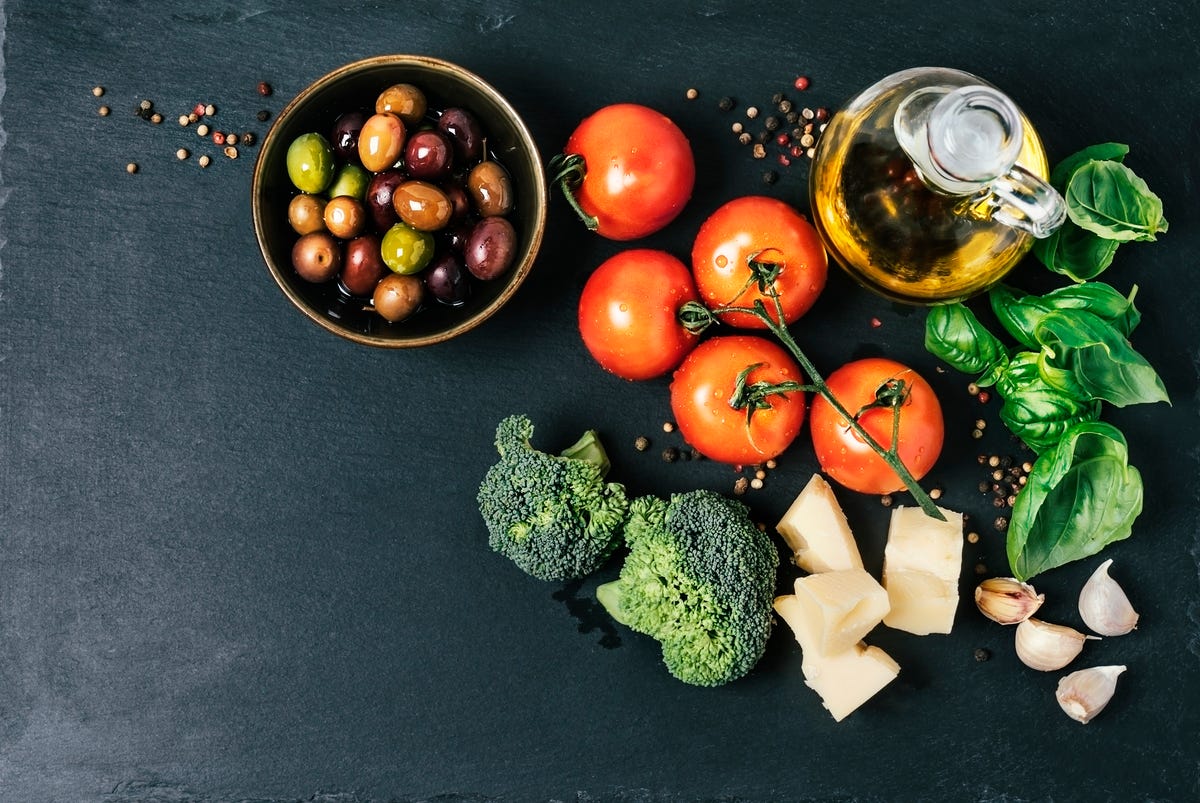
The Mediterranean diet is one of the easiest diets to follow and does not require calorie counting. Although there are no strict rules, there are some recommendations. These include: Eat fish or seafood at least twice a week, Drink plenty of water, Eat a wide variety of foods and Fill your plate with fruits, vegetables, whole grains, beans, nuts, and olive oil every dayIn addition to these recommendations, meals and snacks are up to you. Below are some recommended things to eat:
Foods to eat on the Mediterranean diet
The Mediterranean diet encourages you to eat a lot of plant-based and whole foods, including:
- Fish (salmon, tuna, herring, etc.)
- seafood
- Chicken (in moderation)
- vegetables
- fruit
- Dairy products
- Eggs (as needed)
- Olive oil
- Chickpeas
- lentil
- Quinoa
- pasta
- Yogurt (as much as you like)
- nuts
- 100% whole wheat bread
- Herbs
- spices
- Have a glass of red wine with your meal (one glass for women, two glasses for men)
- A little dark chocolate
Foods to Limit on the Mediterranean Diet
There are no “no” foods, but you should try to eat the following foods rarely:
- Red meat
- Sweet foods and drinks
- processed food
- butter
Meal Ideas
Add this week’s meal ideas to your shopping list.
breakfast
- Greek yogurt with fresh fruit and tea
- Whole wheat toast with natural peanut butter and coffee (with a touch of cream and sugar)
lunch
- Chicken orzo soup with vegetables
- Greek salad with olives, avocado and feta
dinner
- Salmon cooked in olive oil, brown rice and roasted vegetables
- Tuna served on top of quinoa and arugula, drizzled with olive oil vinaigrette dressing
snack
- Nuts and seeds platter with natural cheese
- Pita bread with vegetables and hummus
Is the Mediterranean Diet Right for You?

Although the Mediterranean diet is touted as the best diet for 2024, it is not suitable for everyone. Consult your doctor before making any drastic changes to your diet. If you are thinking of trying this diet for yourself, here are some points to keep in mind.
Why you should try the Mediterranean diet:
- I am good at non-restrictive diets
- You’re already eating plenty of seafood, plant foods, and whole grains
- Looking for budget-friendly meals that are low in unhealthy fats and high in healthy fats
Try a different diet or consult a nutritionist.:
- I need a more structured diet or to completely ban certain foods
- Have significant food restrictions or allergies
- You need a diet, weight loss and exercise plan that works for you
Frequently Asked Questions about the Mediterranean Diet
What is prohibited on the Mediterranean diet?
Strictly speaking, there are no foods that are strictly “forbidden” on the Mediterranean diet. Processed foods (especially processed meats), red meat, white bread and pasta, butter, processed oils, and excessive alcohol (other than red wine) should be limited or avoided.
Can you eat eggs on the Mediterranean diet?
Yes, you can eat eggs in moderation on the Mediterranean diet, just make sure you don’t eat more than four egg yolks per week if you have high cholesterol.
Is it okay to eat bananas on the Mediterranean diet?
Yes, you can eat bananas on the Mediterranean diet, which also encourages eating lots of fruits and vegetables.
What cheeses are okay to eat on the Mediterranean diet?
Natural cheeses are the best choice on the Mediterranean diet. There are no restrictions, but the diet recommends avoiding processed cheeses. Avoid highly processed cheeses, such as American cheese or canned cheese. Instead, stick to natural cheeses like mozzarella, feta, cheddar, Swiss, Parmesan, and Muenster.
