

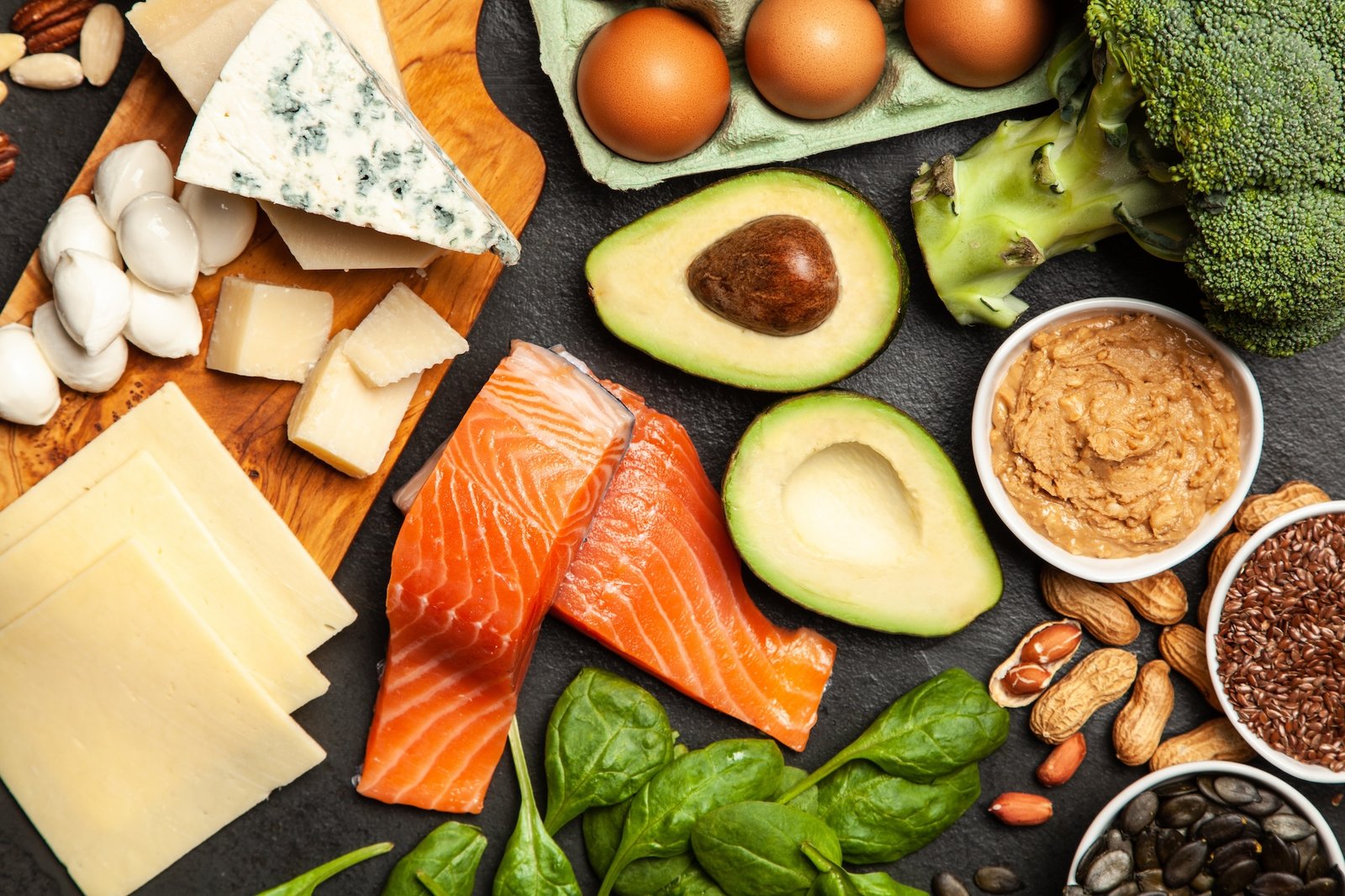
When it comes to managing blood sugar, most people think of counting carbohydrates, but a new study from the University of British Columbia suggests that for some people, it may be just as important to consider the protein and fat in their diet.
The study published today: Cell metabolismis the first large-scale comparison of how different people produce insulin in response to each of the three macronutrients: carbohydrates (glucose), proteins (amino acids), and fats (fatty acids).
The findings reveal that production of insulin, a hormone that regulates blood sugar levels, is much more dynamic and individualized than previously thought, and at the same time show for the first time that some populations are over-responsive to fatty foods.
“Glucose is a well-known driver of insulin, but we were surprised to see a large degree of variability that had not been previously characterized, with some people responding more strongly to protein and others to fat,” said Dr. James Johnson, a UBC professor of cell physiology and senior author of the paper. “Insulin plays a critical role in human health, from too little to causing diabetes, to too much to causing obesity, weight gain and even some cancers. These findings lay the foundation for personalized nutrition that could transform how we treat and manage a range of diseases.”
For the study, the researchers tested pancreatic islets from 140 deceased donors, both male and female, across a range of ages. The islets were exposed to each of the three macronutrients, and the researchers measured the insulin response along with 8,000 other proteins.
While most of the donor islet cells had the strongest insulin response to carbohydrates, about 9 percent responded more strongly to protein, and a further 8 percent of the donor cells responded more strongly to fat than to other nutrients (including glucose).
“This study calls into question the long-held belief that fat has little effect on insulin secretion for everyone,” said first author Dr. Jelena Coric, a research associate in the UBC Johnson Laboratory. “By better understanding what drives an individual’s insulin production, we may be able to provide personalized dietary guidance to help people better manage their blood sugar and insulin levels.”
The team also looked at a subset of pancreatic islet cells taken from donors with type 2 diabetes. As expected, these donor cells had a reduced insulin response to glucose. But to the researchers’ surprise, their insulin response to protein remained largely intact.
“This supports the claim that a high-protein diet may have therapeutic benefits for people with type 2 diabetes and highlights the need for further research into protein-stimulated insulin secretion,” said Dr. Coric.
The team performed comprehensive protein and gene expression analyses in pancreatic islet cells, providing insight into the molecular and cellular properties that shape insulin production. In the future, it may be possible to use genetic tests to determine which macronutrients are more likely to trigger a person’s insulin response, the researchers say.
As a next step, the researchers hope to expand their work into a clinical study testing insulin responsiveness to the three macronutrients in real-world conditions and then start developing personalized nutritional approaches based on the results.
This research was supported by the Canadian Institutes of Health Research and JDRF Canada. The researchers would like to thank the organ donors and their families who made this study possible through the Human Organ Procurement and Exchange Program and the Trillium Gift of Life Network.
Interview Language: English

Featured Researcher
Dr. James Johnson
Professor, Department of Cell Physiology

Featured Researcher
Dr. Jelena Kolic
Researcher at the Johnson Institute
