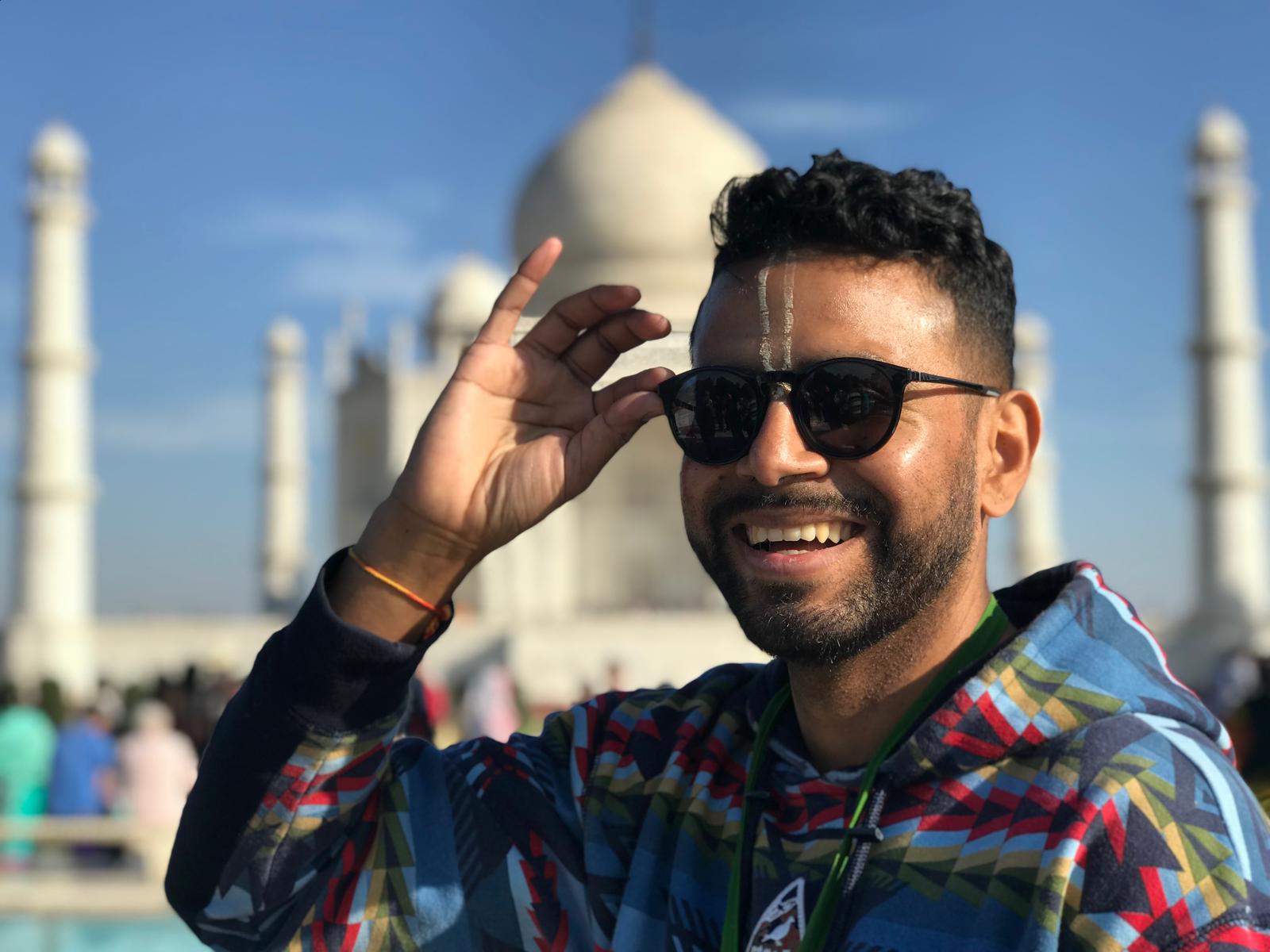
Krishna Dasa Perez, also known as “Slot One the Servant,” has an inspiring story of resilience and transformation that weaves together spirituality and hip hop. His journey is particularly noteworthy as it included a lengthy period of incarceration during which he underwent a transformation and ultimately emerged as a symbol of hope and inspiration within the Krishna consciousness community.
Spending 12 years in prison from the age of 18, Krishna Dasa’s life could have easily taken a dark turn. Instead, he chose to use his incarceration for introspection and spiritual growth. Growing up in the New Dwarka community of Los Angeles, he was already familiar with the practice and philosophy of Bhakti. The psychological pressures of incarceration led him to explore these teachings more deeply, ultimately incorporating them into his life in a significant way. “During my time in prison, I had to battle my inner demons and overcome a lot of trauma,” Krishna Dasa said candidly. “But through Bhakti, I found a way to overcome my suffering and become a better person in every way.”
ISKCON Prison Ministry (link) played a pivotal role in Krishna Dasa’s transformation. Their support of books, beads, prasadam etc. was invaluable to him and led him onto the path of Bhakti. He immersed himself in extensive reading on various faiths and practices, eventually reaffirming his commitment to the spiritual path he had known since childhood. This period of deep introspection and spiritual practice marked a crucial chapter in his life as he prepared for his return to society.
-
-
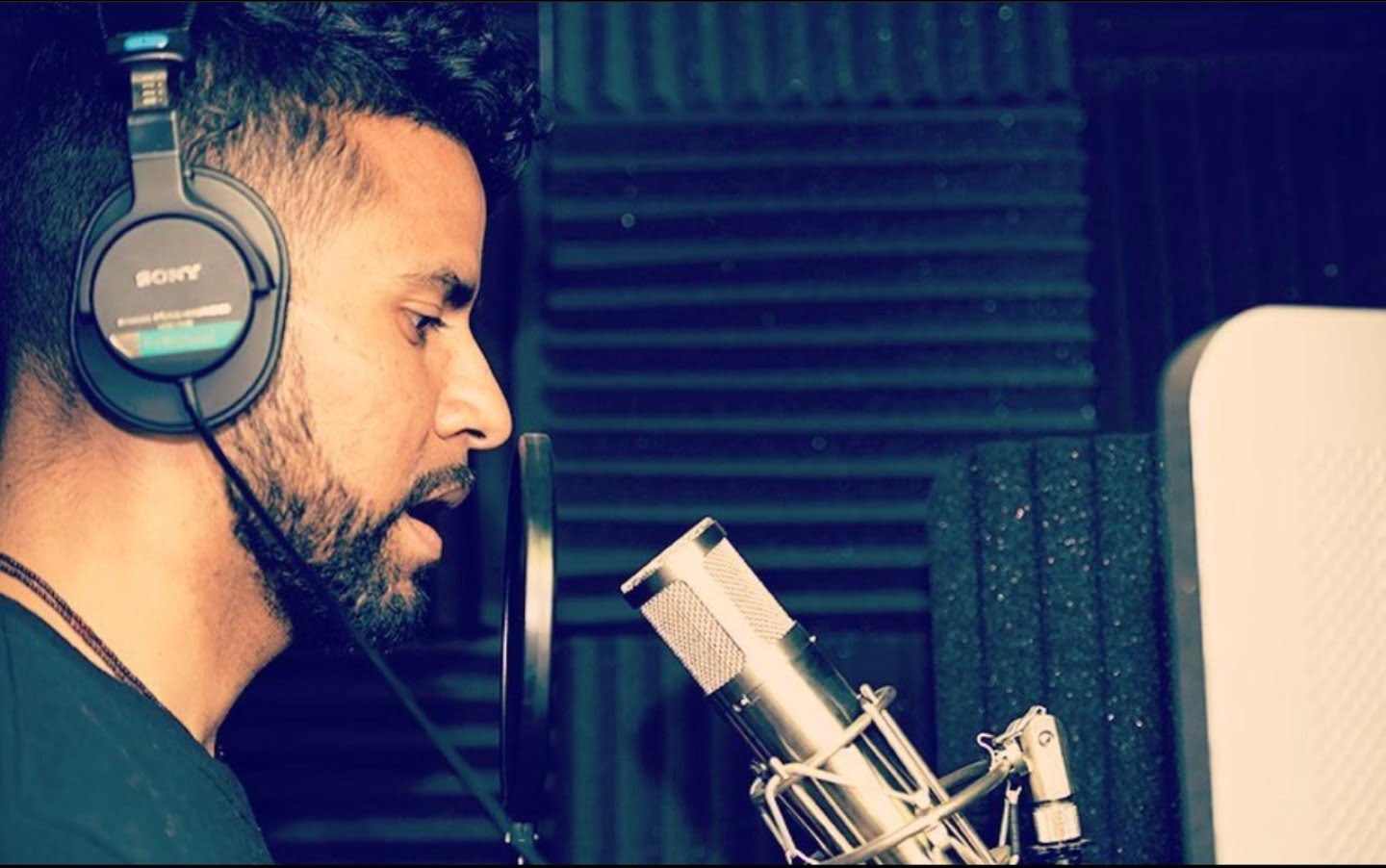
Krishna Dasa is in the safe space of the vocal booth in his home studio.
-
-
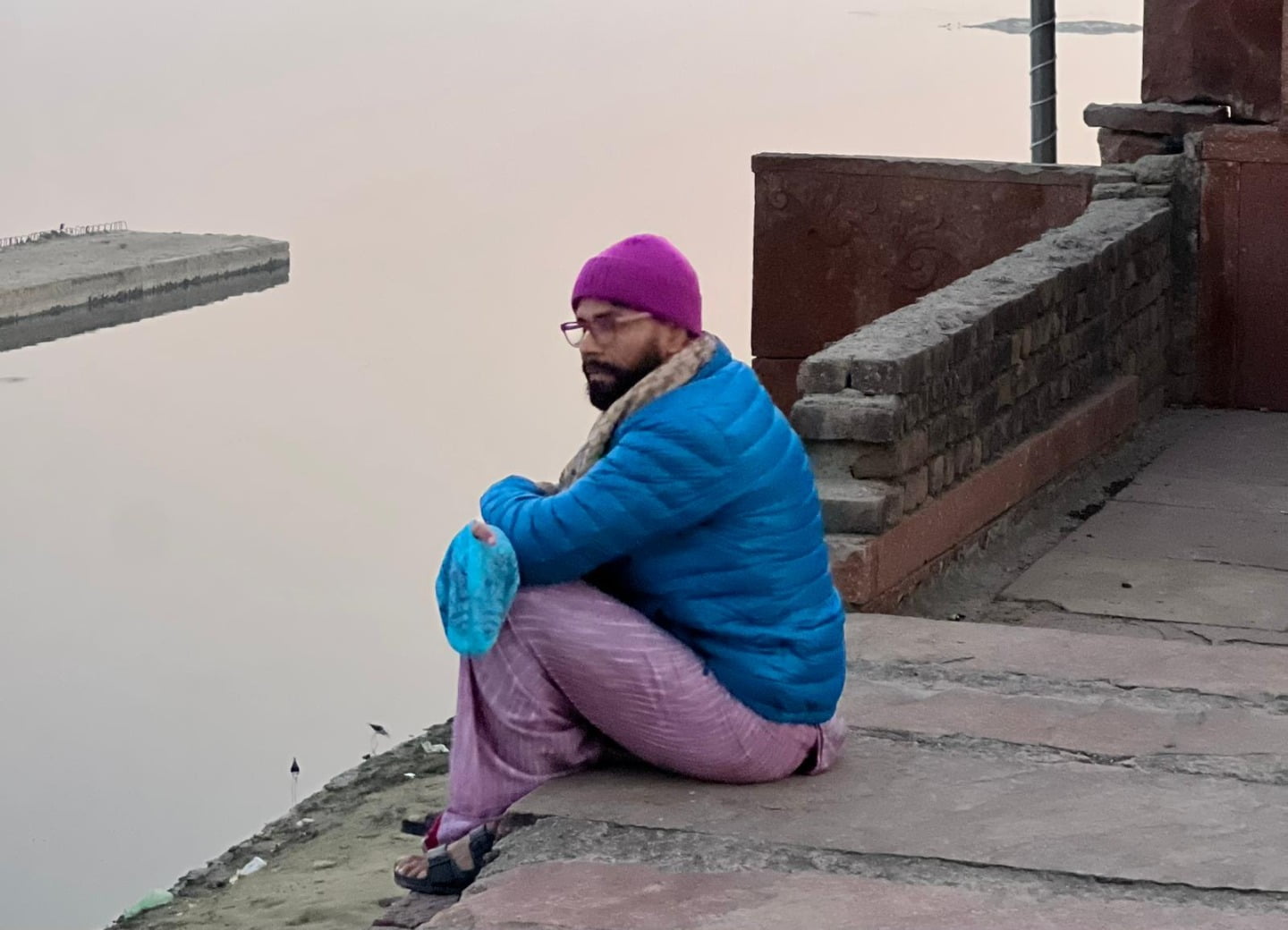
Krishna Dasa was grateful to Srimati Radharani for allowing him to visit the Yamuna regularly.
-
-
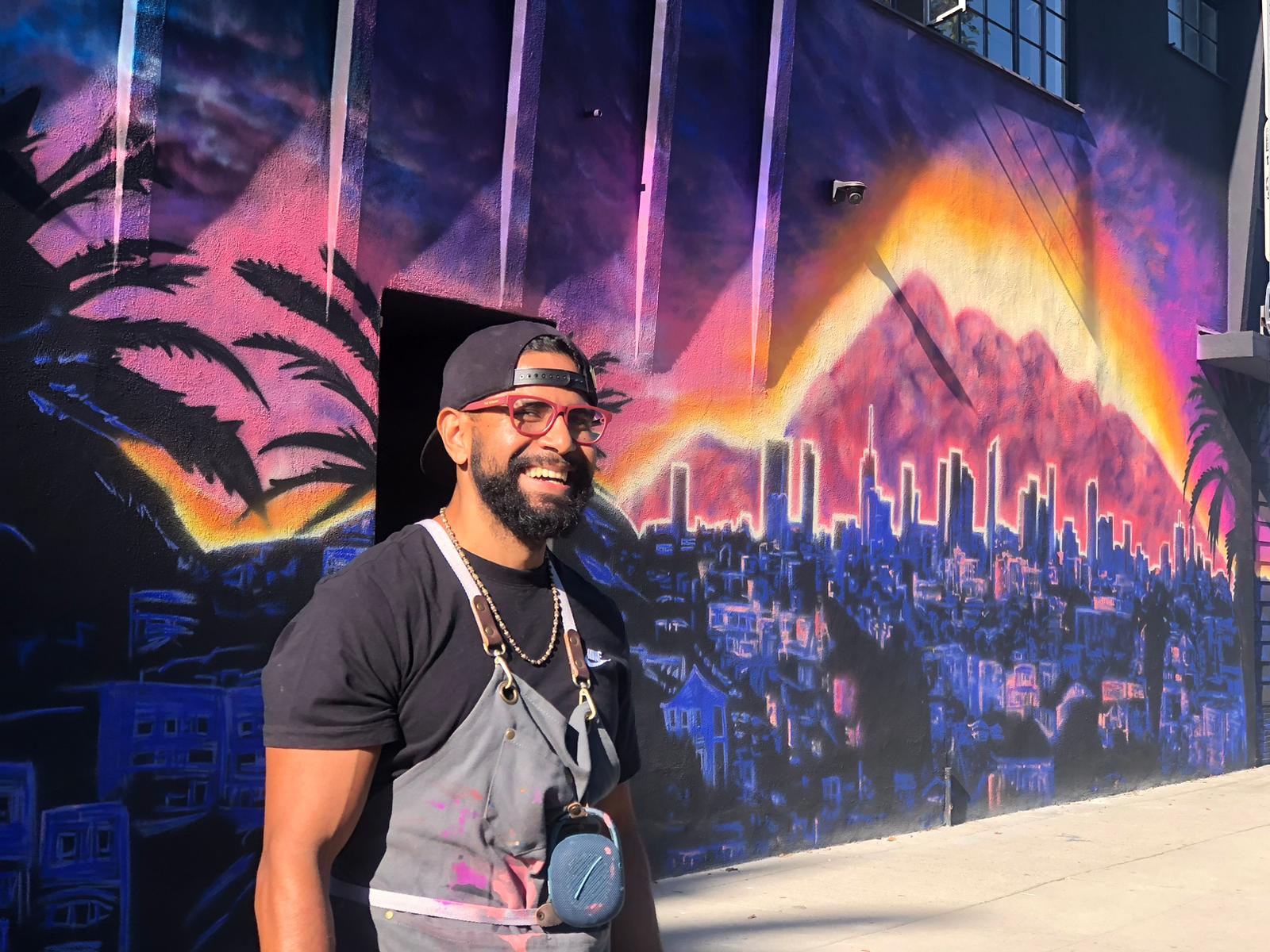
Krishna Dasa paints a mural in Westwood, California.
Krishna Dasa’s return to music, symbolized by the release of his album “Return of The Servant,” is a testament to his resilience and dedication. The album’s title symbolizes both his return to music after a four-year hiatus and his return from a period of addiction and recovery. “I struggled with fentanyl addiction for some time, but managed to overcome it. Now, with the mercy of Krishna and the love and encouragement of his devotees, I am back – the return of The Servant,” he explained.
Slot One, a name derived from his graffiti tag, has evolved into “Slot One, The Servant” to reflect his spiritual journey. “My name is Krishna Dasa, and I wanted everyone to know what ‘Das’ means, so I incorporated it into my name.”
His transformational journey reached a turning point when he performed a Krishna Consciousness rap at the Rishikesh Kirtan Mela in 2024. The performance, moderated by renowned kirtan teacher Gaura Vani Das, was a pivotal moment. “Performing in front of 2,000 people in Rishikesh, the yoga capital, was surreal. I realised the potential of combining hip hop with spiritual themes,” he recalls.
Krishna Dasa believes that hip-hop culture, taking into account all its components – music and murals – can be used as an effective outreach effort to spread Krishna consciousness outside of traditional temples and attract new people. “Hip-hop is a universal language that resonates with many people, especially young people. Incorporating the message of Krishna consciousness into rap music and street art can help reach people who have never set foot inside a temple,” he explains. “Imagine a mural depicting a scene from the Bhagavad Gita or rap lyrics that talk about faith and spiritual awakening. It’s about meeting people where they are and reaching them with the teachings in a way that is accessible to them.”
-
-
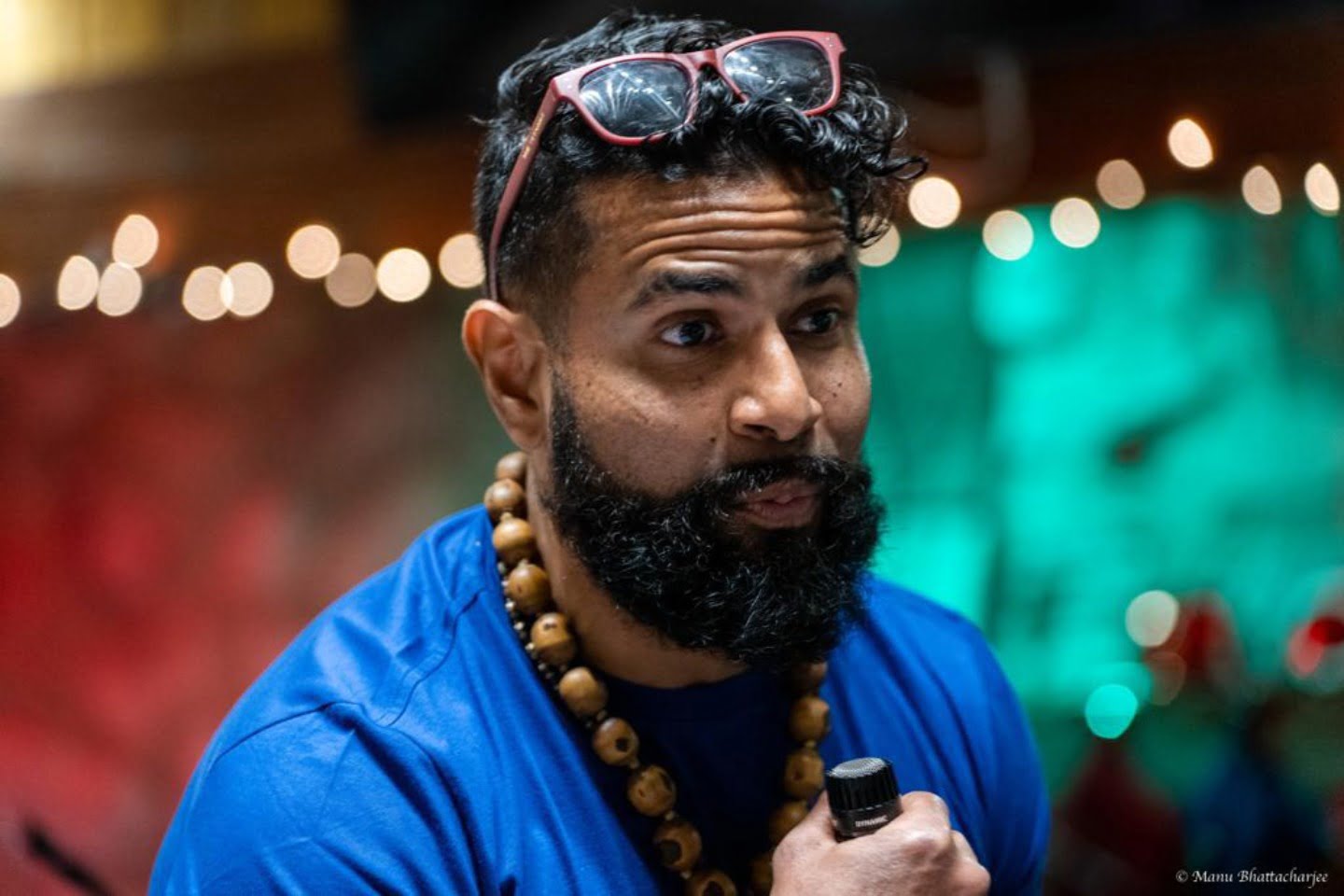
Krishna dasa performs for devotees at a friend’s birthday party in Los Angeles.
-
-
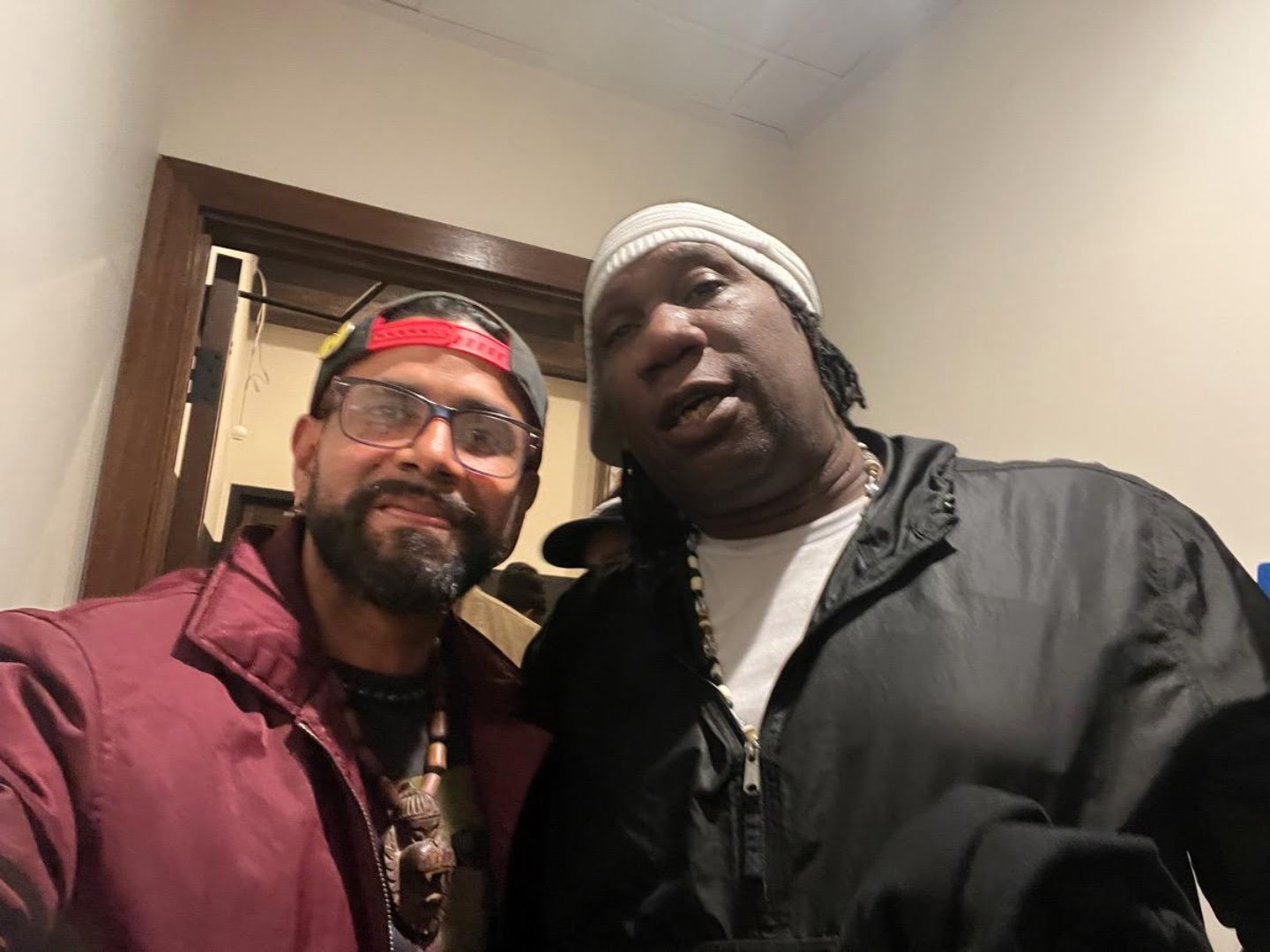
I remember Krishna Dasa backstage with Teacher (KRS ONE) and giving him the Bhagavad Gita at Novo.
-

-
Krishna Dasa in Otaki, New Zealand.
Aside from his musical career, Krishna Dasa is heavily involved in community service and outreach efforts. “I teach classes and give presentations at university outreach programs and at Mantra House. I also help with kirtan at these programs and at the Long Beach Temple, where I also help with prasadam offerings and cleanup every week,” he said. This commitment to service underscores his dedication to living a life of bhakti and giving back to his community.
Krishna Dasa aspires to use his music to inspire others and spread Krishna consciousness. His record label, Servant Records, serves as a platform to support artists with a similar spiritual and musical vision. “I want to create a Krishna Conscious Wu-Tang Clan. I want to use hip-hop as a tool to spread the teachings of Krishna and inspire others,” he enthuses.
Despite the challenges he has faced, Krishna Dasa remains grounded and focused on his spiritual practice. “My intention is to get people interested in spiritual topics through music. Hip hop is not just about talking about guns and cars. It is a powerful tool to bring about positive change,” he stresses.
From prison bars to spiritual beats, his story is an epitome of resilience, dedication and faith. As he continues to fuse hip hop with bhakti, his impact on the music industry and Krishna Consciousness community will be significant and far-reaching. His message is clear: no matter the circumstances, you can rise up, transform and inspire with the power of faith and music.
To connect with Krsna-Dasa and explore his work, visit his Instagram , where you’ll find links to his music on major streaming platforms.