

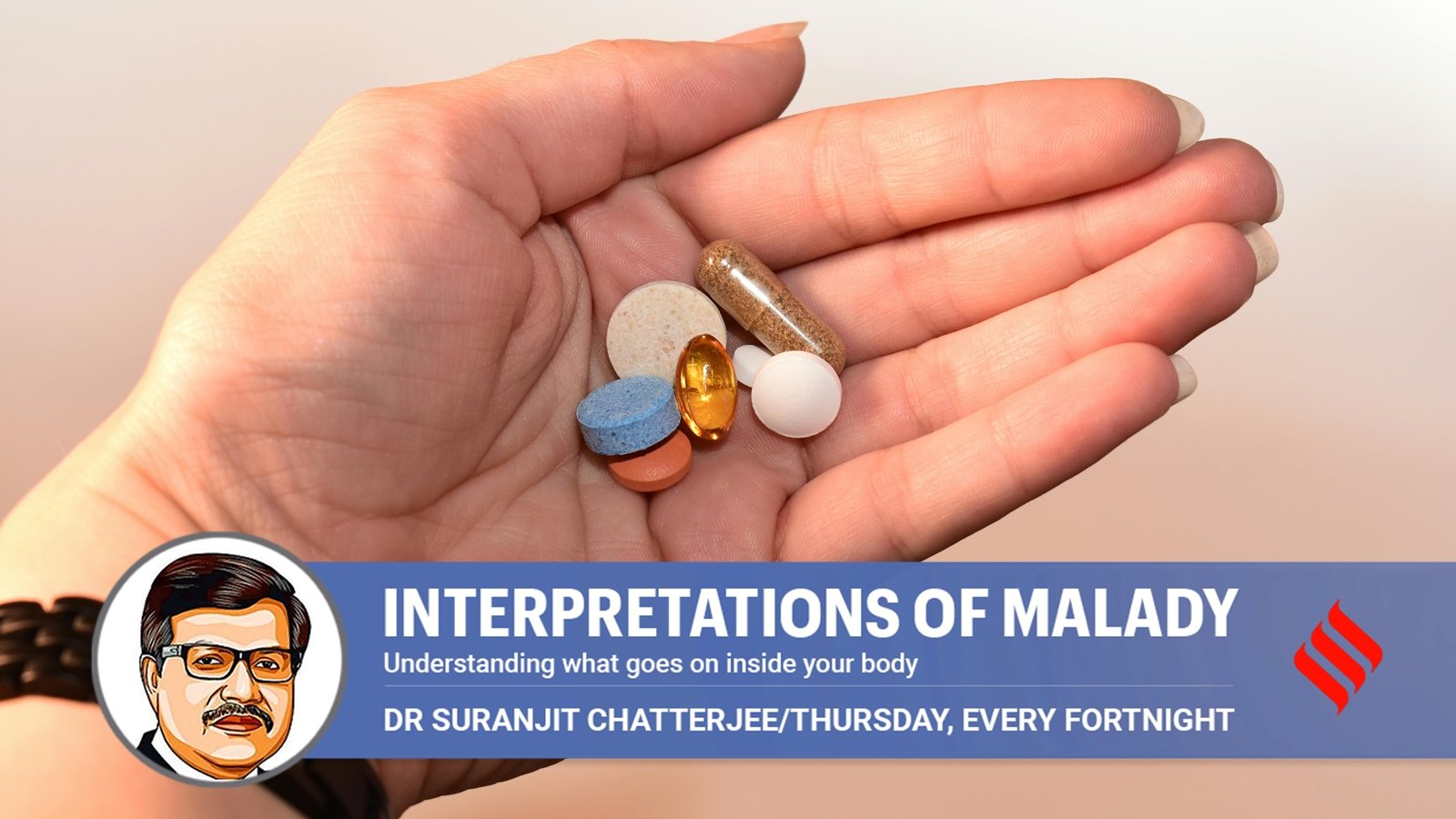
Multivitamins have skyrocketed in popularity in recent years, with millions of people incorporating them into their daily routines. These supplements, which contain combinations of vitamins, minerals, and other nutrients, are often touted as a convenient way to fill nutritional deficiencies, promote overall health, and prevent chronic disease.
But a new study from the US National Institutes of Health (NIH) casts doubt on the effectiveness of taking a daily multivitamin to extend the lifespan of healthy adults. Researchers analyzed the health records of nearly 400,000 adults with no significant long-term illnesses to see whether taking a daily multivitamin reduced their risk of death over the next 20 years. It didn’t. This raises an important question: Who should take a multivitamin?

Do multivitamins work for healthy adults?
The NIH study findings are consistent with previous research suggesting that for the average healthy individual, multivitamins provide no measurable health benefits. Most healthy adults can get all the nutrients they need from a balanced diet rich in fruits, vegetables, whole grains, lean protein, and healthy fats. This is because the bioavailability of vitamins and minerals from food sources is generally higher than that of supplements. Therefore, a rainbow diet, with an emphasis on vegetables and fruits of every color, can help you meet your daily vitamin intake.
Who needs multivitamin tablets?
While the general healthy population may not benefit from taking a daily multivitamin, certain groups may find supplementation beneficial or even necessary.
People with malnutrition: Certain medical conditions, dietary restrictions, or lifestyle choices can result in nutritional deficiencies. For example, people with gastrointestinal disorders such as Crohn’s disease or celiac disease may need to take supplements because their nutrient absorption is impaired. Similarly, vegans and vegetarians may need to supplement with vitamins B12 and D, iron, and calcium, which are difficult to obtain on a plant-based diet.

Pregnant and breastfeeding women: During pregnancy and breastfeeding, the body’s nutritional needs increase to support fetal development and milk production. To ensure both mother and baby get adequate nutrition, prenatal vitamins containing folic acid, iron, calcium, and DHA are usually recommended.
senior citizen: As we age, our nutritional needs change and we may have difficulty absorbing certain nutrients. For example, older adults are often at risk for vitamin D and B12 deficiency. Supplementing with these vitamins can help maintain bone health and cognitive function.
People with dietary restrictions: People on calorie-restricted diets, with food allergies, or following strict dietary regimens (such as ketogenic or paleo diets) may not be able to get all the essential nutrients through food alone. In those cases, a customized multivitamin can help fill in any nutritional gaps.
Athletes and active people: Athletes and people with high physical activity levels may have increased nutritional requirements. A balanced diet can meet most of these needs, but taking certain vitamin and mineral supplements can help improve recovery and performance.
Key Takeaways The bottom line is that supplements should be tailored to the individual. Rather than adopting a one-size-fits-all approach, individuals should consider their own health, diet, medical history, and most importantly, consult with their healthcare provider. Only a healthcare provider can identify the most effective type and dosage. The rest of us should prioritize whole foods, regular exercise, and regular checkups.
(Dr Chatterjee is a Senior Consultant in Internal Medicine at Indraprastha Apollo Hospital, New Delhi)
