

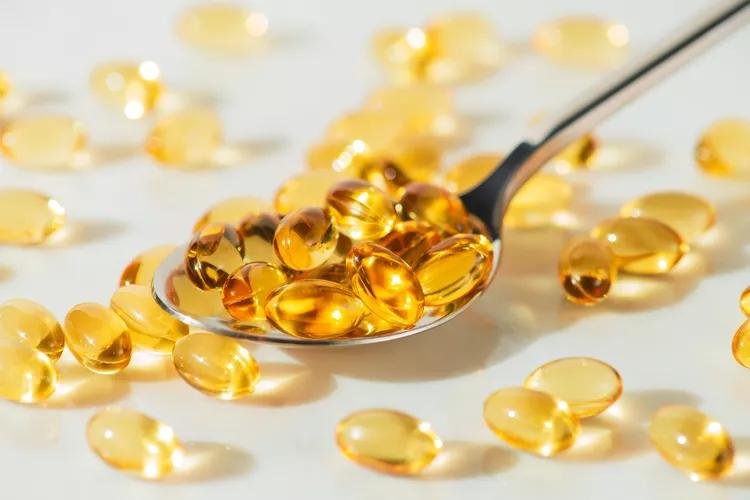
A patient’s vitamin D levels at the time they start immunotherapy for cancer treatment could be an indicator of their overall survival, according to findings presented at the 2024 American Society of Clinical Oncology Annual Meeting last month.1
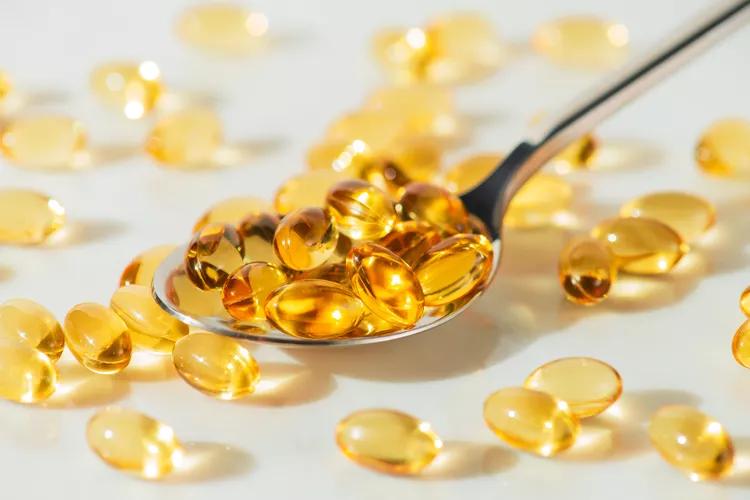
Vitamin D | Image courtesy of Getty Images
Researchers at the University of Manchester in the UK were interested in whether seasonal factors such as viruses, allergens and UV exposure would alter the effectiveness of immune checkpoint inhibitors, as these factors are known to affect the immune system itself.
Other studies have shown that factors that affect the immune response may influence outcomes after immunotherapy: For example, patients who received immunotherapy before noon were more likely to survive than those who received it in the late afternoon.2
In the study, a research team from the University of Manchester investigated the relationship between seasonal differences and response to immunotherapy, as well as both patients’ baseline levels of vitamin D and their response to immunotherapy.1 However, relatively few patients in this study had their vitamin D levels recorded.
The researchers evaluated patients who received immune checkpoint inhibitors at The Christie Hospital in the UK between 2017 and 2022. They compared patients who were treated in the winter and summer months. They used two different time periods for the comparison. First, they compared the outcomes of patients who started treatment between November and April with those who started treatment between May and October, and then compared patients who started treatment in the narrower time periods of December to February and June to August.
Where data were available, the associations of baseline vitamin D levels and vitamin D supplements with OS, as well as the associations of time to initiation of immune checkpoint inhibitors (ICIs) with OS in patients with normal vitamin D and/or those taking vitamin D supplements, were estimated, the authors write.
A total of 3010 patients were included in the analysis, with 1804 OS events occurring over a mean follow-up of 36.4 months. Indications for ICI included:
- Pembrolizumab (Keytruda) or atezolizumab (Tecentriq) for advanced non-small cell lung cancer (NSCLC): first-line treatment (304 patients), median OS 17 months; second-line treatment (197 patients), median OS 10.7 months.
- Pembrolizumab + chemotherapy for advanced non-small cell lung cancer (288 patients): Median OS 16.3 months
- Pembrolizumab or nivolumab for advanced melanoma (211 patients): median OS 25.2 months. Adjuvant melanoma (226 patients), median OS not reached.
- Ipilimumab and nivolumab combination therapy for melanoma (203 patients): Median OS 45.4 months
- Ipilimumab plus nivolumab combination therapy for kidney cancer (129 patients): Median OS 38.6 months.
Confounding factors for time of ICI initiation, including sex, age, BMI, and cancer status, were well balanced. The proportion of patients who initiated treatment in the May–October period (52%) was slightly higher than in the November–April period (48%).
result. Time of ICI initiation was not associated with OS: median OS for the November to April initiation period was 20.8 to 20.5 months (HR, 1.01; 95% CI, 0.92 to 1.11), compared with 20.0 and 21.3 months (HR, 0.97; 95% CI, 0.85 to 1.10) for December to February versus June to August.
Of patients with vitamin D data, 214 had baseline values and 96 were taking supplements before initiating ICI treatment. Vitamin D deficiency was highest in February (23.6%) and lowest in August (1.1%). In the 209 patients with normal vitamin D levels or taking supplements, time of initiation was not associated with OS, with median OS from November to April and May to October being 45.4 and 43.4 months, respectively (HR, 0.93; 95% CI, 0.63-1.53).
However, vitamin D deficiency (37 patients) was associated with shorter OS (HR, 2.06; 95% CI, 1.21-3.52), and supplementation was associated with longer OS (HR, 0.69; 95% CI, 0.52-0.92).
“meanwhile [vitamin D] “Deficiency and supplementation, but not season of ICI initiation, were associated with OS,” the researchers concluded. “These results reaffirm that, despite seasonal factors that may affect the immune system, the benefit of ICIs on OS remains the same regardless of the time of initiation.”
References
1. Kennedy O, Ali N, Lee R. Seasonal patterns in immunotherapy outcomes. J Clinical Oncol.. 2024;42(suppl 16); abstr e14684. doi:10.1200/JCO.2024.42.16_suppl.e14684
2. Caffrey M. Pre-noon immunotherapy leads to improved survival in mRCC. AJMC®March 28, 2024. Accessed July 3, 2024. https://www.ajmc.com/view/immunotherapy-before-noon-linked-to-improved-survival-in-mrcc
