

By Steven Sandage Boston University Laura Captari Boston University
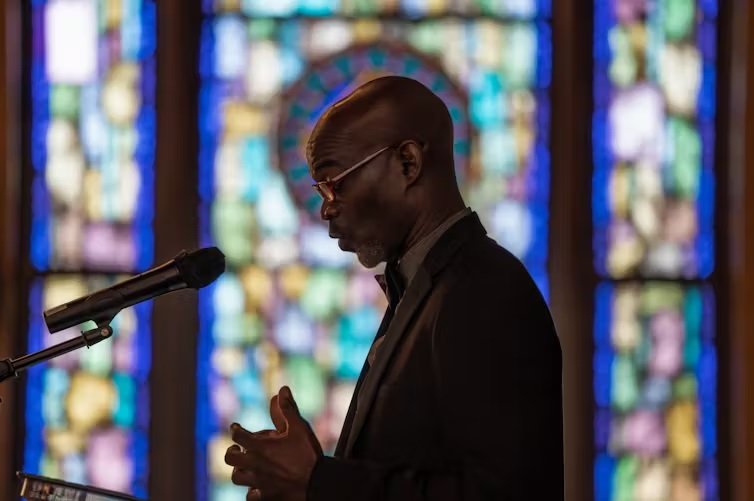
Clergy, pastors and other spiritual leaders play a vital role in their communities, from celebrating life’s joyous moments to offering comfort and guidance in the face of tragedy.
But the personal toll this work takes on spiritual leaders – from burnout to trauma to health issues – can be immense and often goes unrecognized.
Amid the COVID-19 pandemic and deepening divisions, there has been increased attention on the stress experienced by clergy. Pastors, too, are facing huge strain because of their vital yet often invisible role in healthcare. There are concerns of a potential “mass resignation,” with more than a third of US pastors considering quitting.
But this is not a new problem. Long before the pandemic, research has found that spiritual leaders face significant mental health and occupational risks. We are both psychology researchers who provide psychotherapy to spiritual leaders, mentor seminary students, and study their experiences.
Main risks
While the experiences of clergy and pastors working in health care, education and other community settings are diverse and some have been successful, several key risks stand out for those who find themselves in difficulty.
First, the sense of vocational “calling” that is often central to a spiritual leader’s identity can be a double-edged sword. A deep commitment to the meaning and moral obligation of work can lead to sacrifices in pay and personal time in many professions. Research with spiritual leaders highlights how difficult it can be to draw boundaries when work is considered both a spiritual and a moral obligation.
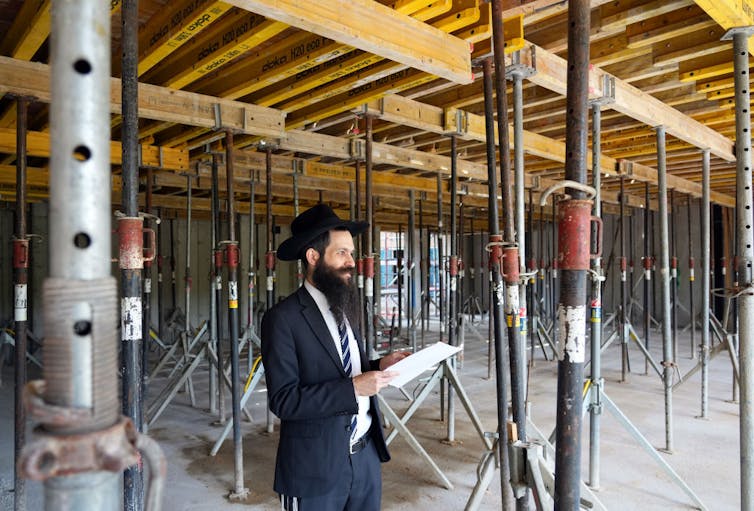
Second, the role of a pastor can involve an enormous amount of responsibilities, from fundraising, ceremonies, and spiritual care to public communications and facilities management. In 2007, psychologist Richard DeShawn analyzed the work of United Methodist pastors. He identified 13 major tasks, each with a long set of specific responsibilities, and 64 personal competencies needed to carry out these tasks. DeShawn concluded that he had “never encountered such a fast-paced job with such diverse and impactful responsibilities.”
Soeren Stache/pda/picture alliance via Getty Images
Third, Americans’ trust and respect for spiritual leaders has plummeted in recent decades, likely due to declining levels of religious membership and sexual abuse scandals.
The epidemic of traumatic stress
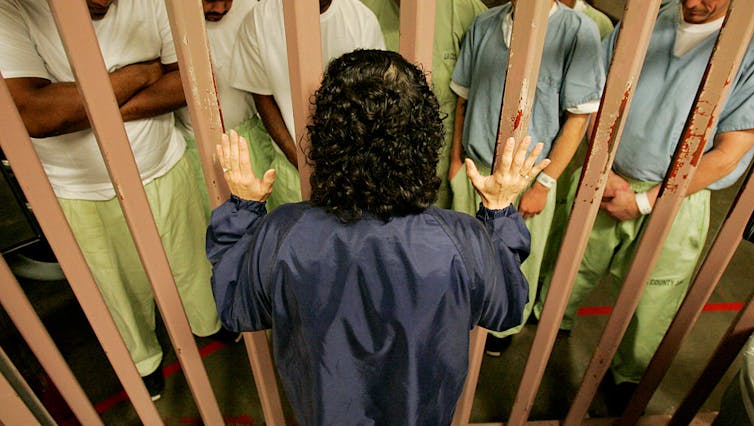
Our research reveals how spiritual leaders on the front lines of human suffering and conflict contend with extreme and traumatic levels of stress. This may be especially true in low-resource congregations and in settings like hospitals and correctional facilities where chaplains often serve.
Many years ago, one of us, Steve, served as a consultant on a study looking at the health of spiritual leaders. When nearly a third of the sample scored above the clinical cutoff for symptoms of post-traumatic stress disorder, and scored significantly higher than military personnel after deployment, we became convinced something had gone wrong. In the end, the religious organizations that commissioned the study were reluctant to make the results public.
Since then, our research team at the Danielsen Institute has replicated this finding in samples of Muslim, Jewish, and Christian leaders. Again, about one-third scored above the clinical cutoff for PTSD symptoms related to work stressors. Clergy described direct exposure to extreme distress, such as attacks from congregants or being called to homes during domestic disputes or shortly after someone had committed suicide.
Drilling down into the data
Most research to date has focused on what goes wrong for spiritual leaders; less is known about what helps them.

Jasmine Meldan/Moment via Getty Images
A systematic literature review of 82 empirical studies found clear distinctions between factors that increase risk, mitigate harm, and enhance well-being. However, the absence of particularly stressful experiences does not necessarily mean that clergy or pastors feel thriving. Experiences of suffering and thriving are not mutually exclusive.
Personal factors certainly contribute to risk. For example, female spiritual leaders are at higher risk for burnout and post-traumatic stress, as are leaders who see their self-worth as tied to “success in ministry.” But our findings reveal that congregational and denominational factors are just as influential. Many spiritual leaders described feeling called on 24/7, for example, or feeling overwhelming stress from disagreements in their communities, which can even threaten a leader’s financial stability and personal safety. In contrast, feeling supported by their congregations can have a positive effect.
Perhaps most surprising is that only 5% of the studies addressed the question of how to help distressed spiritual leaders, and there was very little empirical focus on prevention – how to proactively prepare people who are training for these professions.
Beyond self-care
During the COVID-19 pandemic, our team hosted an online support group for pastors, with over 250 professionals from around the world participating.
Some suffered from not being considered “essential staff.” Others took on unprecedented responsibilities, such as being at the bedside of every dying person or using technology to help families feel close. Many were torn between their mission to provide care and the very real fear of the risk of infection. This raised painful existential and spiritual questions, as well as a sense of moral injury: guilt and inner confusion about how to navigate an impossible situation.
In a group led by one of us, Laura, a member Zoomed in from her hospital bed to talk about how she had contracted COVID-19. Her labored breathing was clear, as was her passionate commitment to this work.
That session was the last one she attended and she passed away the following week. We all suffered this tragic news together, lit a candle in her memory and mourned the loss of one of our group members.
These conversations revealed the power of spiritual leaders having a confidential space to find support and discuss the complexities of their work. Although nearly three-quarters of pastors had recently considered leaving the field, 98% said their work is incredibly meaningful. As one poignantly put it, “I love my job, but it’s killing me.”
Brian VanderBurg/Los Angeles Times via Getty Images
Members used this space to help each other process the existential, spiritual, and moral burdens that their work brings, and after participating, they reported feeling less burned out, more resilient, and more fulfilled.
Our team has since developed and is evaluating CHRYSALIS, an 8-week online program to support spiritual leadership wellness. We focus on helping leaders move beyond “self-care” to develop the core strengths they need to thrive, while also working to change the organizational structures that contribute to trauma and burnout.
Prevention and response
Our work is part of a larger conversation among scientists, religious leaders, and those who train and support clergy and pastors.
For example, the Common Table Collaborative fosters collaboration between researchers and frontline workers, initiatives like Flourishing in Ministry, Healthy Congregations, and the Chaplaincy Innovation Lab provide support to spiritual leaders, and training efforts like The Khalil Center’s Muslim Mental Health First Responder Training Program develop leaders in trauma-responsive care.
All are seeking changes that will allow clergy and pastors to thrive and remain at the forefront of caring for their communities.
Steven Sandage, Professor of Religious Psychology and Theology Boston University Laura Captari, a psychology researcher at the Danielsen Institute Boston University
This article is republished from The Conversation under a Creative Commons license. Read the original article.
